August is the culmination of months of nurturing, watering, and sometimes wrestling with pests—and it’s such a thrill when your garden finally bursts with produce! Late summer’s long, warm days coax peak flavors from a wide range of vegetables, rewarding your patience with sweet, tender harvests. I know how frustrating it can be to watch...
Fruits And Vegetables
Living off grid is a term coined by Nick Rosen, an environmentalist. It’s defined as being independent of systems like utilities and other types of conveniences. Some consider it to be a sort of exile from society, others view it as being a more environmentally positive action, and technically, both are correct.
People who live off grid often have vastly simplified lifestyles. Buying stuff, convenience, and overconsumption take a back seat to more simplistic living. Lots of DIY, self improvement, and producing the things you need yourself.
Living off grid has numerous benefits. Off grid families tend to have a lower environmental footprint due to producing energy from clean tech sources like solar, less consumerism, and producing more food themselves. People who live off grid also experience a ton of personal satisfaction for the work they put in and what they get out.
Living off grid reportedly reduces stress and anxiety and improves health overall. The physical labor involved with off grid living is better for you than sitting at a desk in an office, and the food you grow yourself is often substantially healthier than what you would find in a grocery store.
Families who live off grid don’t just live frugally but can also make a little bit of money at it. Selling extra eggs, produce, and other things can help turn your off grid lifestyle into a net financial positive.
It’s not easy to be a fully off grid individual or family, but there are steps you can take to get you started without cutting off the world and living alone in a remote cabin.
Coneflowers (Echinacea spp.) are more than just vibrant additions to a flower border—they’re powerhouse allies when interplanted among your vegetables. Native to the prairies of North America, these rugged perennials have evolved to thrive in sunny, well-drained soils, making them perfectly compatible with many edibles. It can be such a bummer when your tomato blossoms...
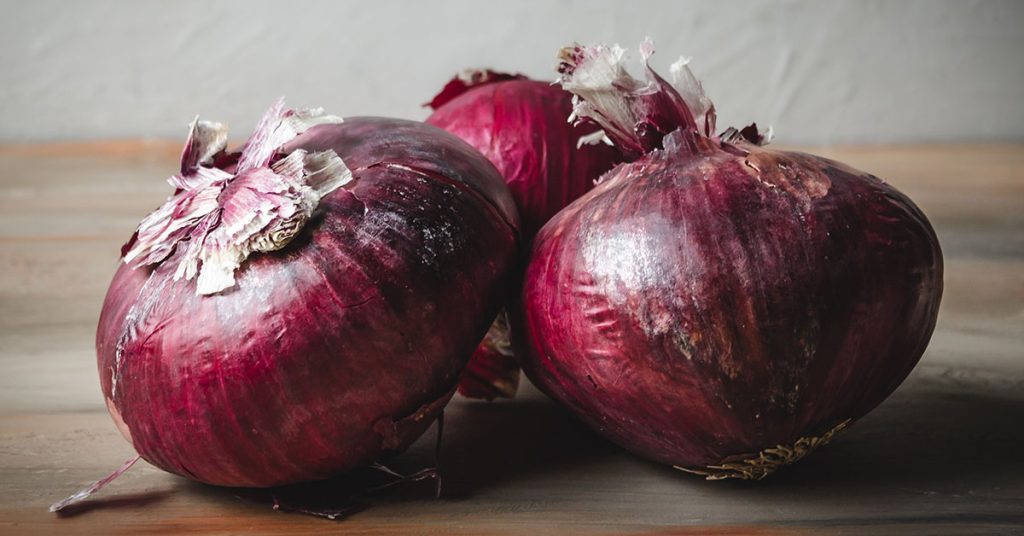
Red onions (Allium cepa) trace their lineage to the foothills of Central Asia, where early farmers cultivated them for their mild, sweet flavor. Over centuries, they’ve adapted to diverse climates without becoming invasive, thriving in well‑drained soils rich in organic matter. One of my favorite things about red onions is how, when allowed to bolt,...
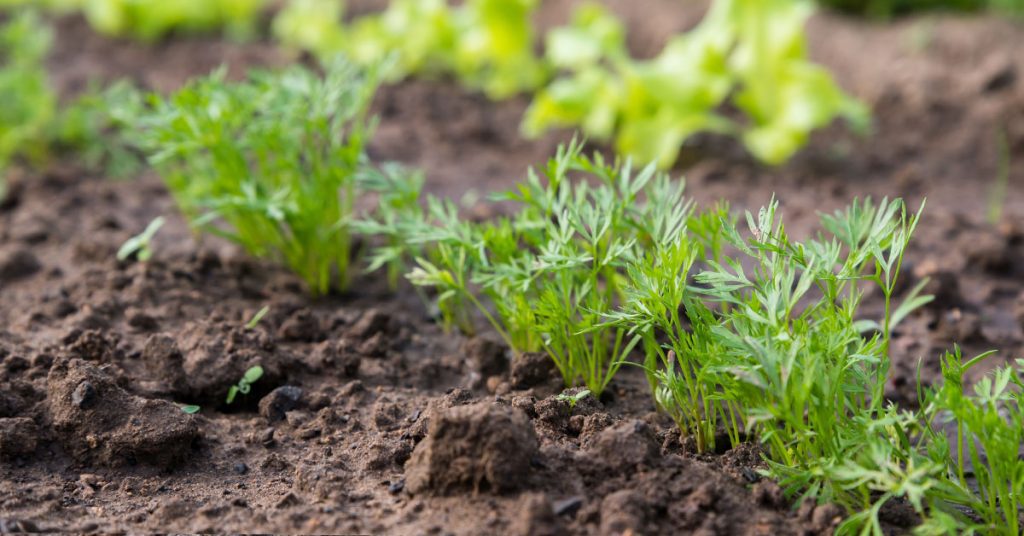
Growing carrots (Daucus carota) and parsnips (Pastinaca sativa) side by side is a classic garden combo—both hail from temperate Europe and Asia and share similar soil and moisture needs without becoming invasive. Yet even the most enthusiastic gardener can hit snags, like forked roots from compacted soil or seedlings crowded out by their neighbors. I...
Tomatoes (Solanum lycopersicum) hail from the western slopes of the Andes in South America, while potatoes (Solanum tuberosum) originated in the highlands of modern‑day Peru and Bolivia. Despite sharing a family tree and similar cultural needs, it’s such a bummer when gardeners lump them together without considering nuances—leading to stunted growth or disease flare‑ups. I...
After harvesting your hard‑earned bounty, it’s tempting to kick back and relax—trust me, I’ve been there! But the work doesn’t stop when the last pepper or tomato comes in. Tending the garden post‑harvest keeps soil healthy, prevents pests from overwintering, and sets you up for next season’s success. I know it can feel like a...
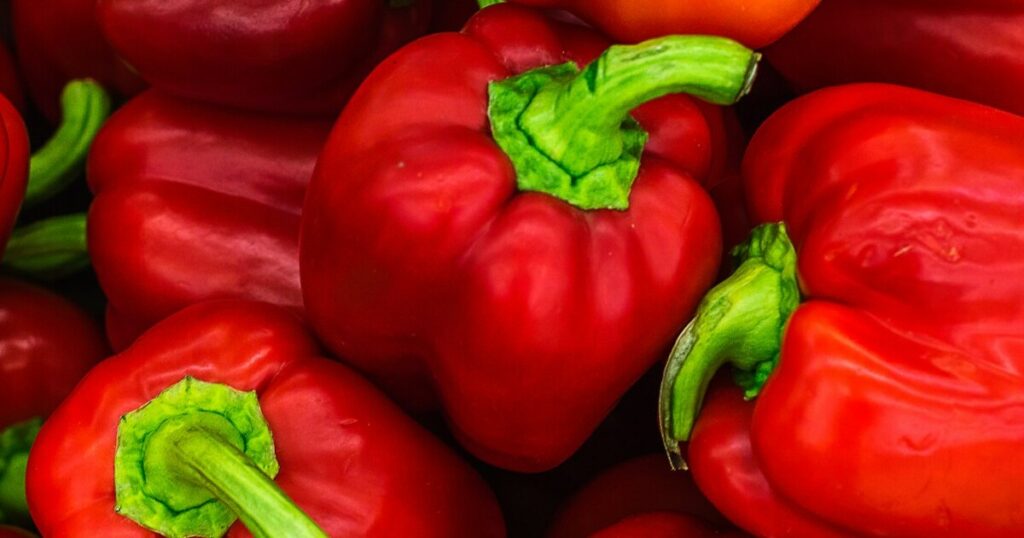
Bell peppers (Capsicum annuum) boast a rich heritage dating back to the tropical and subtropical regions of Central and South America. Over centuries, they’ve traveled the globe, adapting to varied climates without threatening ecosystems—thankfully, their cultivation hasn’t tipped into invasiveness. One of my favorite things about pepper flowers is how they draw in tiny sweat...
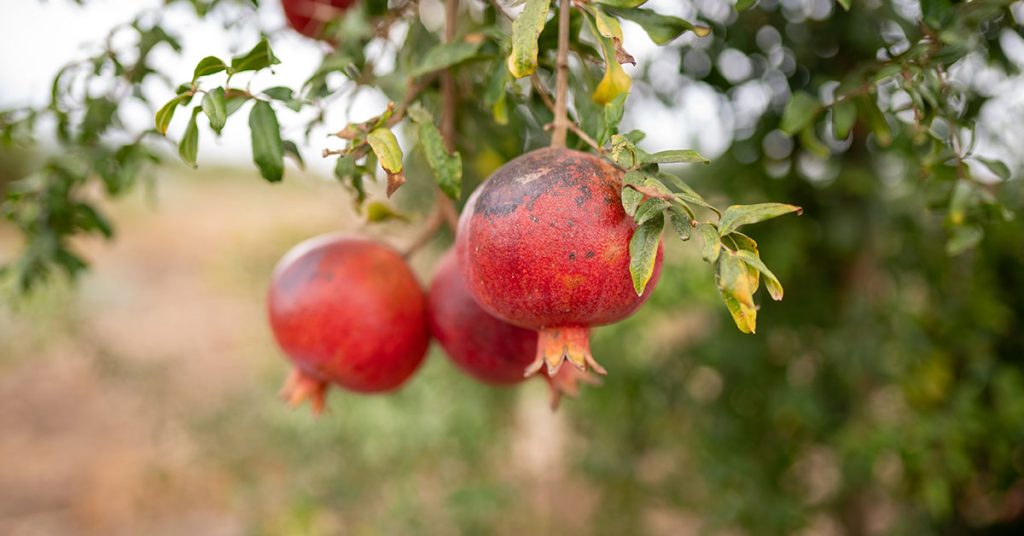
Cultivating pomegranates feels like tending a living connection to ancient orchards of the Mediterranean and Middle East—each burst of ruby arils carries centuries of flavor and tradition. Yet, it’s such a bummer when a young tree flowers beautifully only to drop its blossoms, or when fruits set but fail to ripen fully. I’ve walked that...
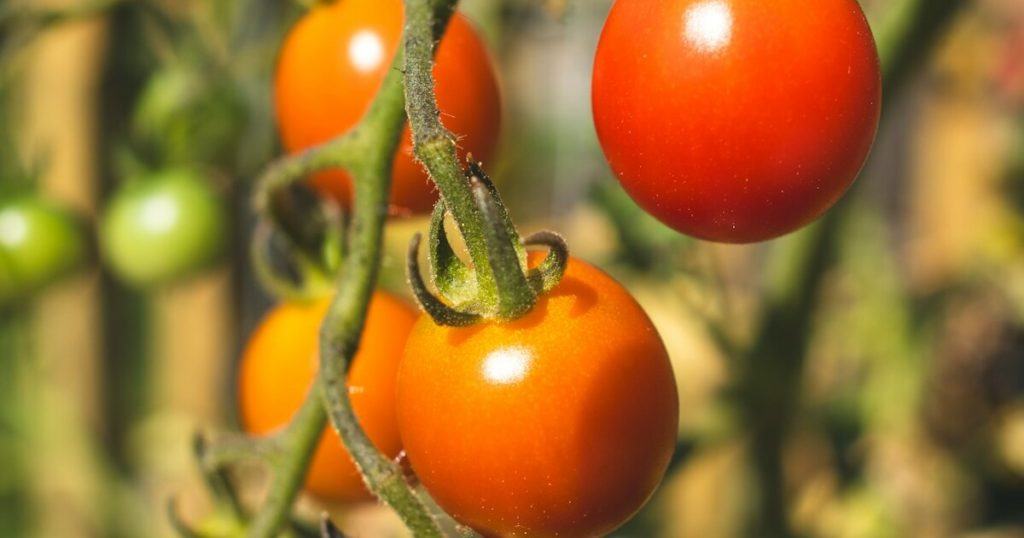
Growing cherry tomatoes is one of the most rewarding experiences for any home gardener: those little bursts of sweetness right off the vine feel like nature’s candy! Yet, I know how disheartening it can be when blooms abort, fruit cracks, or vines languish without producing. Cherry tomatoes (Solanum lycopersicum var. cerasiforme), native to the Andean...
Imagine stepping into a garden that not only dazzles the eyes but feeds your belly and nourishes your soul—right in your backyard! I know how frustrating it is to wander grocery aisles searching for elusive wild flavors, so creating a dedicated forager’s paradise brings those tastes home. As a gardener who’s spent seasons nurturing both...
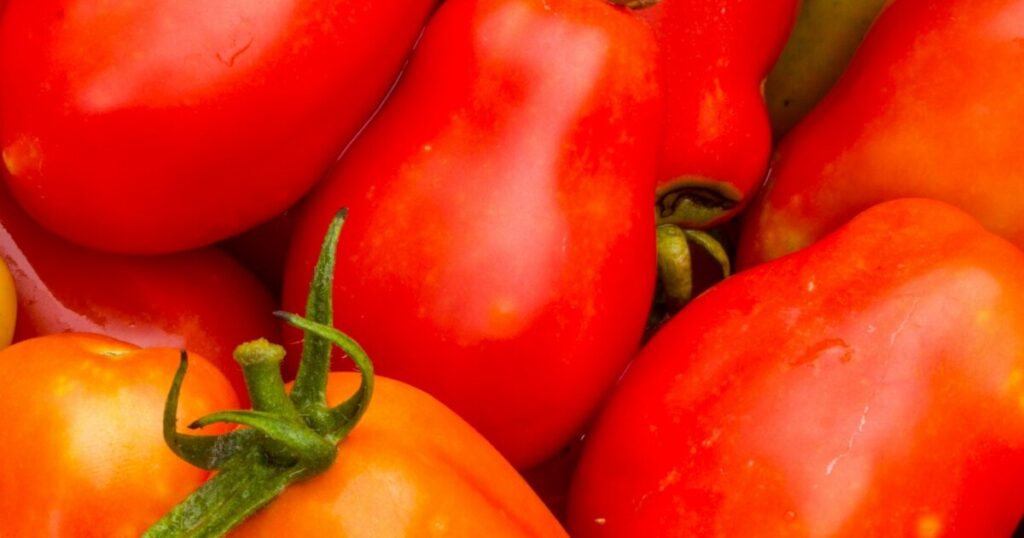
Roma tomatoes (Solanum lycopersicum ‘Roma’) trace their origins to the western slopes of the Andes in South America, where wild relatives still fuel the genetic diversity of modern cultivars. As a gardener, I know how thrilling it is to envision those slender, plum‑shaped fruits ripening on the vine—yet it’s such a bummer when blossom end...
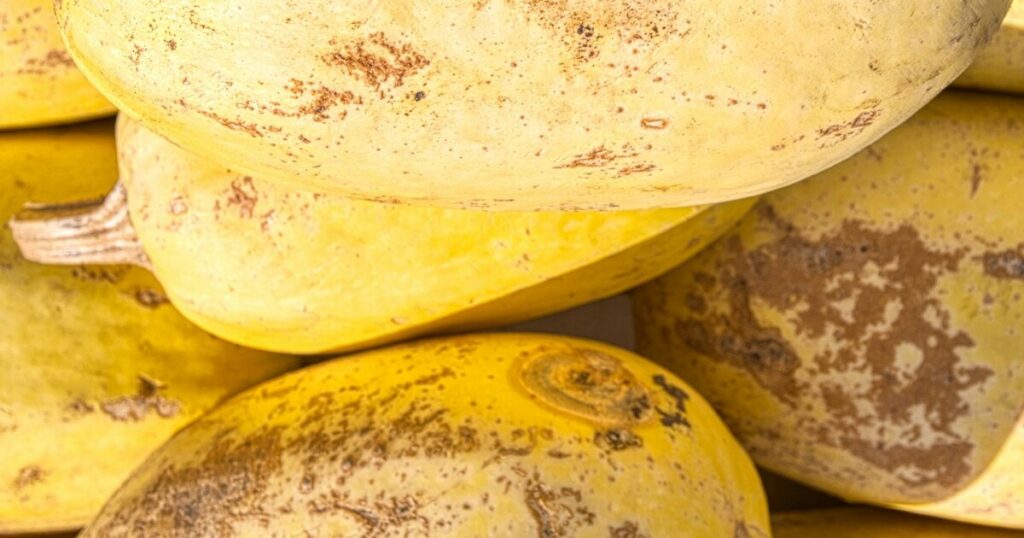
Squash—native to the Americas and cultivated by Indigenous peoples for thousands of years—is one of my favorite crops to grow. There’s nothing quite like the thrill of seeing those broad, fuzzy leaves unfurl in the spring, dreaming of golden zucchini and plump pumpkins! Yet, it’s such a bummer when powdery mildew sets in or your...