
As a gardener, there’s something truly magical about cultivating a garden bursting with an array of vibrant colors. Among these hues, one shade stands out with its warmth, radiance, and sheer delight—yellow. Growing plants with yellow flowers is a journey of discovering sunshine, where each blossom becomes a testament to the wonders of nature and the gardener’s dedication.
In this article, let’s explore the world of yellow-flowering plants from a gardener’s perspective. Together, we’ll delve into the joys and challenges that come with nurturing these golden beauties. Whether you’re an experienced gardener or just starting out, this journey will help you appreciate the beauty and rewards that come with growing plants adorned in the resplendent glow of yellow.
Perennials with yellow flowers
When it comes to infusing your garden with a perennial splash of vibrant color, yellow-flowering plants are an evergreen choice. These perennial wonders bring a timeless glow to your outdoor space, enchanting us with their resilience, longevity, and captivating blooms. In this section, we explore the world of perennials with yellow flowers, uncovering a treasure trove of plants that will grace your garden year after year.
- Black-Eyed Susan (Rudbeckia hirta): Easy to grow and drought-tolerant, these cheerful flowers thrive in full sun and attract pollinators to your garden.
- Coreopsis (Coreopsis spp.): These low-maintenance beauties prefer well-draining soil and full sun, providing abundant golden blooms throughout the summer.
- Blanket Flower (Gaillardia spp.): With their vibrant colors and tolerance to heat and drought, blanket flowers thrive in sunny spots, attracting butterflies with their nectar-rich blooms.
- Goldenrod (Solidago spp.): These hardy perennials thrive in a variety of soil conditions, adding a burst of golden color to your garden while providing late-season nectar for pollinators.
- Coneflower (Echinacea spp.): Known for their medicinal properties and striking beauty, coneflowers are drought-tolerant perennials that flourish in sunny locations with well-drained soil.
- Evening Primrose (Oenothera spp.): These delicate flowers bloom in the evening, preferring full sun and well-drained soil, attracting pollinators with their fragrant yellow blossoms.
- Heliopsis (Heliopsis helianthoides): Heliopsis, or false sunflower, thrives in full sun to partial shade and offers bright yellow flowers that resemble miniature sunflowers, attracting butterflies and bees.
- Yarrow (Achillea spp.): Yarrow is a hardy perennial that tolerates a variety of growing conditions, including full sun and well-drained soil, and showcases clusters of yellow flowers atop feathery foliage.
- Yellow Columbine (Aquilegia chrysantha): These unique flowers prefer partial shade and well-drained soil, attracting hummingbirds with their long-spurred, bright yellow blossoms.
- Butterfly Weed (Asclepias tuberosa): Butterfly weed thrives in sunny spots with well-drained soil, displaying clusters of vibrant yellow-orange flowers that provide a crucial nectar source for butterflies.
- Golden Marguerite (Anthemis tinctoria): These daisy-like flowers prefer full sun and well-drained soil, creating a cheerful display of yellow blooms and attracting pollinators.
- Golden Banner (Thermopsis spp.): These striking perennials prefer full sun and well-drained soil, showcasing tall spikes of yellow flowers that bring a touch of elegance to the garden.
- Yellow Loosestrife (Lysimachia punctata): Yellow loosestrife thrives in moist soil and partial shade, forming dense clusters of yellow flowers that brighten shady areas and attract pollinators.
These perennials offer a delightful array of yellow flowers, and with the proper care and growing conditions, they will add beauty and vibrancy to your garden for years to come.
Annuals with yellow flowers
For a burst of instant radiance and vibrant color, annuals with yellow flowers are a gardener’s dream. These dazzling blooms offer a temporary but spectacular display, bringing a vivacious glow to any garden or outdoor space. In this section, we dive into the world of annuals with yellow flowers, exploring their versatility, captivating beauty, and the boundless opportunities they present for creating a vibrant tapestry of hues.
- Marigold (Tagetes spp.): These easy-to-grow annuals feature vibrant yellow blooms and are known for their pest-repellent properties.
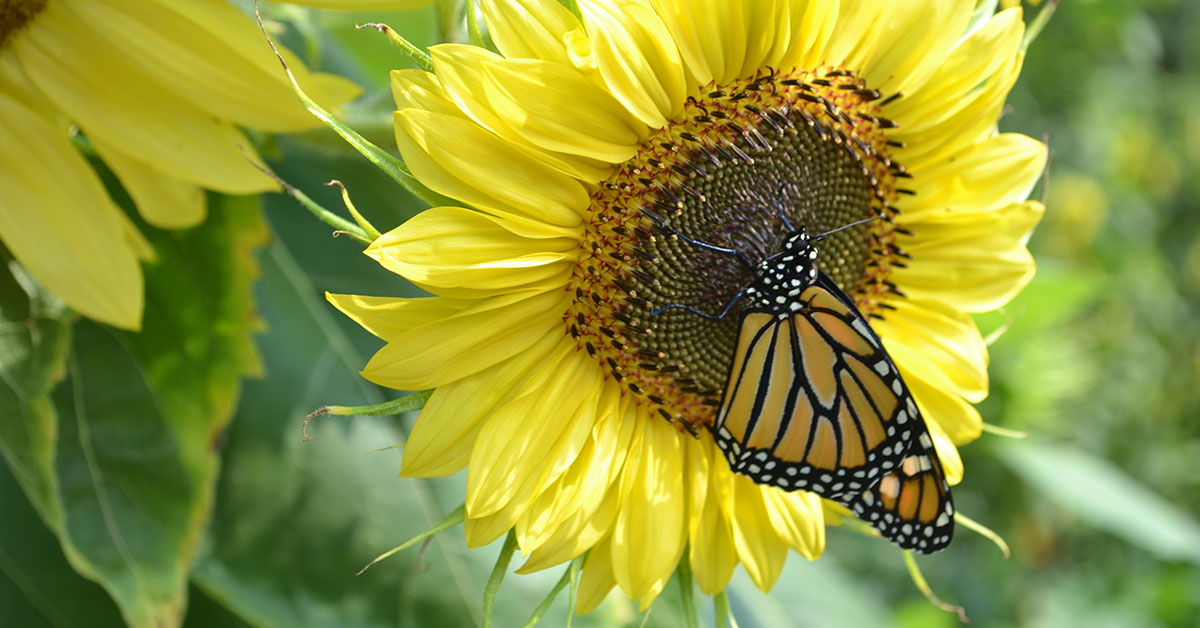
- Sunflower (Helianthus annuus): With their iconic large, yellow flower heads, sunflowers are popular annuals that bring a sunny touch to any garden.
- Zinnia (Zinnia spp.): Zinnias come in various shades of yellow and are prized for their long-lasting blooms, making them a favorite in summer gardens.
- Cosmos (Cosmos spp.): These daisy-like flowers come in different colors, including shades of yellow, and add a whimsical touch to gardens with their feathery foliage.
- Calendula (Calendula officinalis): Known for their medicinal properties, calendula plants produce cheerful yellow or orange flowers that are edible and attract pollinators.
- Nasturtium (Tropaeolum spp.): Nasturtiums offer vibrant yellow, orange, and red flowers, and their edible leaves and flowers make them a versatile choice for both gardens and culinary use.
- Gazania (Gazania rigens): Gazanias are low-growing annuals that produce striking yellow flowers with contrasting patterns, adding a splash of color to gardens and containers.
- African Marigold (Tagetes erecta): African marigolds feature large, pom-pom-like flowers in shades of yellow and orange, making them excellent for adding bold splashes of color.
- Pansy (Viola glabella): Pansies come in various colors, including shades of yellow, and their charming, “smiling” faces make them a popular choice for cool-season gardens.
- Tithonia (Tithonia spp.): Tithonias, also known as Mexican sunflowers, are annuals with bright yellow or orange flowers that attract pollinators and add a vibrant touch to the garden.
- California Poppy (Eschscholzia californica): The California poppy, the state flower of California, showcases delicate, cup-shaped yellow flowers that thrive in sunny, dry conditions.
- Snapdragon (Antirrhinum majus): Snapdragons come in a variety of colors, including yellow, and their tall spikes of flowers add vertical interest to garden beds and borders.
- Strawflower (Xerochrysum bracteatum): Strawflowers produce papery, daisy-like flowers in shades of yellow, orange, and red, and their blooms can be dried for long-lasting floral arrangements.
- Sweet Alyssum (Lobularia maritima): Sweet alyssum features small, fragrant flowers in white and shades of yellow, serving as a lovely ground cover or border plant.
These annuals with yellow flowers offer a wide range of options to add vibrant colors and delightful blooms to your outdoor spaces throughout the growing season.
General flower care
Caring for flowers is an essential part of maintaining a vibrant and thriving garden. Whether you have a collection of annuals, perennials, or a mix of both, following some general flower care practices will help ensure their health and longevity. Here’s a quick guide to help you keep your flowers looking their best:
Sunlight: Most flowers require an adequate amount of sunlight to thrive. Place your flower beds or pots in an area that receives the recommended amount of sunlight for your specific plant species. Some flowers prefer full sun, while others thrive in partial shade. Understanding your flowers’ sunlight requirements is crucial for their overall health and blooming potential.
Watering: Proper watering is essential to keep your flowers hydrated without causing waterlogged soil or drought stress. Water your flowers regularly, allowing the soil to dry out slightly between waterings. Adjust the frequency and amount of water based on your specific flower species and weather conditions. Remember to water the base of the plants to minimize the risk of foliage diseases.
Soil and Fertilization: Ensure your flowers are planted in well-draining soil that is rich in organic matter. This allows for proper root development and nutrient absorption. Regularly amend the soil with compost or organic fertilizers to provide the necessary nutrients for healthy growth. Be mindful of the specific fertilization needs of your flower species and avoid over-fertilizing, as it can lead to excessive foliage growth at the expense of blooms.
Mulching: Apply a layer of organic mulch around your flowers to help retain moisture, suppress weed growth, and regulate soil temperature. Mulch also acts as a protective barrier, reducing soil erosion and preventing certain diseases. Apply a 2-3 inch layer of mulch, keeping it a few inches away from the stems to avoid moisture-related issues.
Pruning and Deadheading: Regularly prune your flowers to remove spent blooms, damaged foliage, and overcrowded growth. This encourages new flower production and maintains the plant’s overall shape and vigor. Deadheading, the removal of faded flowers, prevents seed formation and redirects the plant’s energy towards producing more blooms.
Pest and Disease Control: Monitor your flowers regularly for signs of pests, such as aphids or caterpillars, and take appropriate action to control them. Identify common diseases that affect your specific flower species and be prepared to combat them promptly. Cultural practices like maintaining proper spacing, providing good air circulation, and practicing good hygiene in the garden can help prevent the occurrence of diseases.
Winter Protection (for Perennials): If you have perennial flowers, provide them with proper winter protection according to their hardiness zone. This may involve applying mulch or using protective covers to shield them from extreme cold temperatures and frost.
Remember, different flowers may have specific care requirements, so it’s essential to research and understand the needs of each plant in your garden. By following these general care guidelines, you’ll be well on your way to cultivating a beautiful and flourishing garden filled with healthy, vibrant flowers.