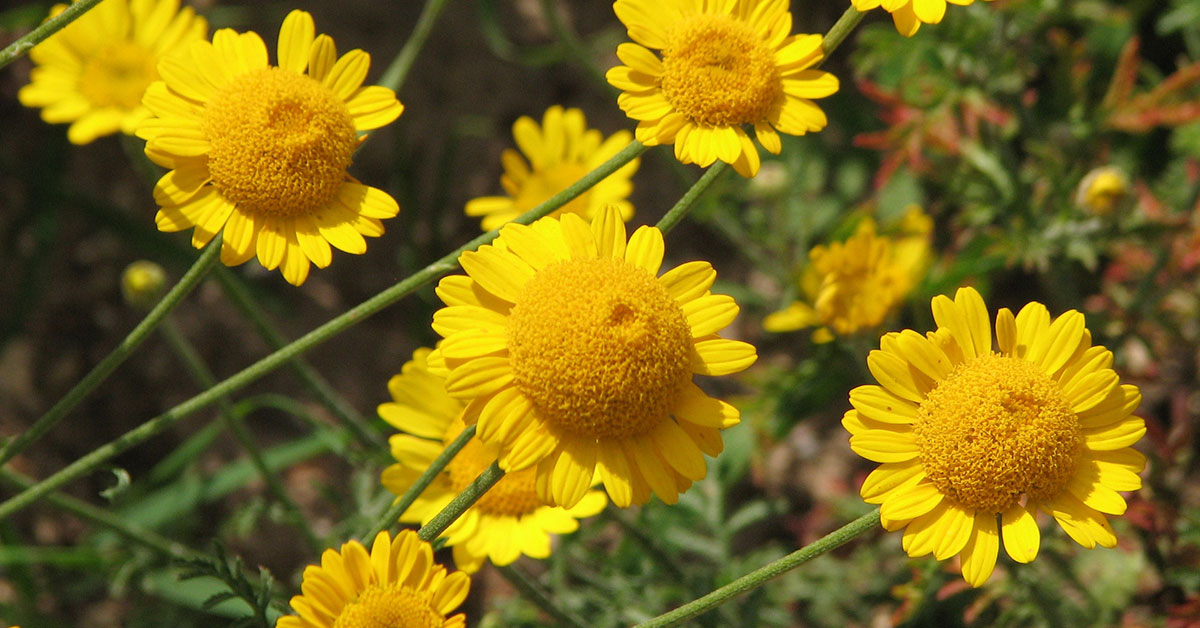

This stunning perennial is Golden Marguerite, known for its vibrant yellow flowers and delicate, feathery foliage. This plant has become a favorite among gardeners looking to add a touch of sunshine to their landscapes.
In this article, we’ll break down the origins of this flower as well as how to plant and grow one for your garden.
What is a Golden Marguerite?
If you are a fan of bright and cheerful flowers that can brighten up any garden, then the Golden Marguerite, scientifically known as Anthemis tinctoria, might just be the perfect addition to your floral collection. This stunning perennial plant is not only visually appealing but also holds historical and medicinal significance.
The Golden Marguerite, also commonly known as Dyer’s Chamomile, is a flowering plant that belongs to the daisy family, Asteraceae. Native to Europe, it is known for its vibrant golden-yellow flowers that bloom from late spring to early summer. The plant typically reaches a height of about 2 to 3 feet (60 to 90 cm) and displays finely divided, fern-like foliage that adds a delicate touch to its overall appearance.
The name “Golden Marguerite” perfectly describes the plant’s stunning golden color. Each flower head consists of numerous small, tubular, golden-yellow florets, forming a daisy-like appearance. These bright yellow flowers not only attract the attention of humans but also serve as a beacon for pollinators like bees and butterflies.
This flower has a rich history, with its use dating back centuries. The plant’s flowers were traditionally used for dyeing purposes, hence the alternative name “Dyer’s Chamomile.” The vibrant yellow color obtained from the flowers was used to dye fabrics, giving them a beautiful golden hue. This historical significance adds an extra layer of fascination to this already captivating plant.
Apart from its historical value, the Golden Marguerite also possesses medicinal properties. The plant is known for its mild analgesic and anti-inflammatory effects. It has been traditionally used in herbal medicine to soothe skin irritations, minor wounds, and rashes. Some herbalists also believe that the plant can help with digestive issues and promote relaxation. However, it is important to consult a healthcare professional before using any plant for medicinal purposes.
Where is Golden Marguerite native?
Golden Marguerite, scientifically known as Anthemis tinctoria, is a beautiful flowering plant that belongs to the Asteraceae family. With its vibrant yellow flowers and fern-like foliage, this herbaceous perennial has gained popularity among gardeners and flower enthusiasts. Understanding the native range of Golden Marguerite is essential for successfully cultivating and appreciating this lovely plant. In this section, we will explore the native habitat of Golden Marguerite, including its presence in various US states.
It is native to Europe, particularly the central and southern regions. It is commonly found in countries such as France, Italy, Spain, Portugal, and parts of Eastern Europe. Due to its adaptability and aesthetic appeal, Golden Marguerite has been introduced and naturalized in several other regions around the world.
In the United States, Golden Marguerite is not native to the country, but it has been widely cultivated as an ornamental plant. Gardeners and landscaping enthusiasts across different regions have recognized its allure and included it in their gardens and landscapes. Although it may not be native, Golden Marguerite has adapted well to certain climates and can be found in several US states.
States Where Golden Marguerite Can Be Found
- California: Golden Marguerite can be spotted thriving in gardens and naturalized areas throughout California. Its ability to tolerate the state’s Mediterranean climate makes it a popular choice for landscaping projects.
- Oregon: In the Pacific Northwest, including Oregon, Golden Marguerite can be found in gardens and naturalized in certain regions. The cool, moist climate of this state provides favorable conditions for its growth.
- Washington: Similar to Oregon, Golden Marguerite can be found in parts of Washington state. Its ability to withstand cool temperatures and adapt to the region’s conditions has made it a desirable addition to gardens.
- New York: Golden Marguerite can also be found in certain areas of New York state. Its presence adds a touch of vibrant color to gardens and landscapes, particularly in regions with suitable growing conditions.
- Pennsylvania: Gardeners in Pennsylvania have embraced Golden Marguerite as well. Its adaptability to varying soil types and its ability to tolerate different weather conditions make it a popular choice for local landscapes.
While these states are known for hosting Golden Marguerite, it’s worth mentioning that this plant can be found in other regions too. Its cultivation and naturalization depend on factors such as climate, soil conditions, and the preferences of gardeners in different areas.
Golden Marguerite, although not native to the United States, has found its way into gardens and landscapes across the country. Its vibrant yellow flowers and fern-like foliage bring a touch of elegance and beauty to any setting. Whether you’re in California, Oregon, Washington, New York, or Pennsylvania, you may come across this charming plant flourishing in gardens or naturalized areas. It’s adaptability and aesthetic appeal continue to captivate gardening enthusiasts, making Golden Marguerite a delightful addition to any landscape.
How to start from seed
If you’re looking to add a beautiful and vibrant addition to your garden, Golden Marguerite is an excellent choice. This perennial plant features stunning yellow daisy-like flowers and attractive fern-like foliage. Starting from seed is a cost-effective and rewarding way to grow this lovely plant.
- Selecting the Right Seeds:
To start Golden Marguerite from seed, it is important to choose high-quality seeds. Look for reputable seed suppliers or nurseries that offer certified Golden Marguerite seeds. Fresh seeds are more likely to germinate successfully, so check the packaging date to ensure their freshness. - Preparing the Soil:
Golden Marguerite thrives in well-draining soil with a slightly acidic to neutral pH level. Prepare the soil by removing any weeds, rocks, or debris. Loosen the soil using a garden fork or tiller to promote good root growth. Incorporating organic matter, such as compost or aged manure, can improve soil fertility and drainage. - Sowing the Seeds:
Sow Golden Marguerite seeds directly into the prepared soil in early spring or late fall. Choose a sunny location for optimal growth. Lightly press the seeds into the soil, ensuring they are at a depth of about 1/8 to 1/4 inch. Keep in mind that Golden Marguerite seeds require light to germinate, so do not cover them completely with soil. - Watering and Care:
After sowing the seeds, water the area gently using a watering can or a fine mist sprayer. Keep the soil consistently moist but not waterlogged. Avoid overwatering, as it may lead to rotting of the seeds or seedlings. Provide regular watering until the seedlings are established. - Germination and Transplanting:
Golden Marguerite seeds typically germinate within 10 to 14 days, but it may take longer in some cases. Once the seedlings have developed two to three true leaves, thin them out, leaving the strongest seedlings spaced about 12 to 18 inches apart. Transplanting the seedlings to individual pots or a designated garden bed will give them ample space to grow. - Providing Proper Care:
Golden Marguerite requires minimal maintenance once established. Water the plants regularly, especially during dry spells, to keep the soil evenly moist. Applying a layer of organic mulch around the plants helps to retain moisture and suppress weed growth. Deadhead the spent flowers regularly to promote continuous blooming and prevent self-seeding. - Overwintering:
Golden Marguerite is a hardy perennial that can withstand cold temperatures. However, providing a layer of mulch around the base of the plant in late fall can help protect it during harsh winter conditions. This extra layer of insulation will ensure its survival and encourage healthy growth in the following spring.
How to grow this plant in your garden
Golden Marguerite is a beautiful perennial herbaceous plant that belongs to the Asteraceae family. With its bright yellow daisy-like flowers and delicate fern-like foliage, it adds a touch of sunshine to any garden. If you’re looking to grow Golden Marguerite in your own garden, this section will provide you with all the necessary information to help you successfully cultivate and care for this stunning plant.
- Choosing the Right Location:
Golden Marguerite thrives in full sun but can tolerate partial shade. When selecting the location for your plant, ensure that it receives at least 6-8 hours of direct sunlight every day. Additionally, it’s important to choose well-draining soil, as Golden Marguerite doesn’t tolerate waterlogged conditions. - Soil Preparation:
Before planting, it’s crucial to prepare the soil to provide the best growing conditions for your Golden Marguerite. This plant prefers a slightly acidic to neutral pH (around 6.0-7.0). If your soil is heavy or clayey, amend it with organic matter such as compost or well-rotted manure to improve drainage and fertility. - Planting Golden Marguerite:
Golden Marguerite can be propagated from seeds or by dividing established plants. If starting from seeds, sow them directly in the garden after the last frost date in spring. Make sure to provide enough space between plants, as it can spread up to 2 feet in width. If dividing, do so in early spring or fall, ensuring each division has a good amount of roots. - Watering and Maintenance:
Once established, this plant is relatively low-maintenance. Water the plant regularly during dry spells, but be careful not to overwater as it can lead to root rot. Mulching around the plant will help retain moisture and suppress weed growth. Deadhead spent flowers to encourage continuous blooming and remove any damaged or diseased foliage to maintain plant health. - Fertilizing:
Golden Marguerite is not a heavy feeder and generally doesn’t require frequent fertilization. However, incorporating a balanced slow-release fertilizer during the growing season can help promote healthy growth and abundant flowering. Follow the package instructions for dosage and application. - Pruning:
To keep the plant tidy and encourage bushier growth, you can lightly prune it after the flowering season. Cut back the stems by one-third to one-half their length. It’s also a good idea to remove any dead or damaged foliage throughout the growing season.
Interesting facts about Golden Marguerite
Golden Marguerite, scientifically known as Anthemis tinctoria, is a charming and vibrant flowering plant that belongs to the Asteraceae family. With its bright yellow daisy-like flowers and fern-like foliage, this perennial plant is a favorite among gardeners. In this section, we will explore some interesting facts about the Golden Marguerite.
- Native Origins:
Golden Marguerite is native to Europe, specifically the Mediterranean region. It can be found growing in the wild across countries like France, Italy, and Spain. Due to its striking appearance and adaptability, it has been cultivated in gardens worldwide. - Medicinal Uses:
Throughout history, this plant has been used for its medicinal properties. The plant contains essential oils that have anti-inflammatory and antiseptic properties. It has been used to treat various ailments such as digestive disorders, respiratory issues, and even skin conditions. - Natural Dye Plant:
The name “tinctoria” in its scientific name refers to its historical use as a natural dye plant. Golden Marguerite produces a vibrant yellow dye that was traditionally used to color fabrics, wool, and even hair. The dye was extracted from the flowers and was highly valued for its lasting color. - Wildlife Attraction:
This plant is not only visually appealing to humans but also to various forms of wildlife. The nectar-rich flowers attract bees, butterflies, and other pollinators, making it an excellent choice for wildlife gardens. Additionally, the plant provides a habitat for beneficial insects and can help create a balanced ecosystem in your garden. - Low Maintenance:
One of the reasons why it is a popular choice among gardeners is its low-maintenance nature. It is a hardy plant that thrives in full sun and well-drained soil. It is drought-tolerant once established and requires minimal watering. Additionally, it is resistant to most pests and diseases, making it an easy plant to care for. - Cut Flower Potential:
Golden Marguerite’s long-lasting flowers make it a suitable choice for cut flower arrangements. When cut at the right stage, the flowers can last for several days in a vase, adding a touch of sunshine indoors. The bright yellow blooms can bring cheerfulness and a pop of color to any floral display.