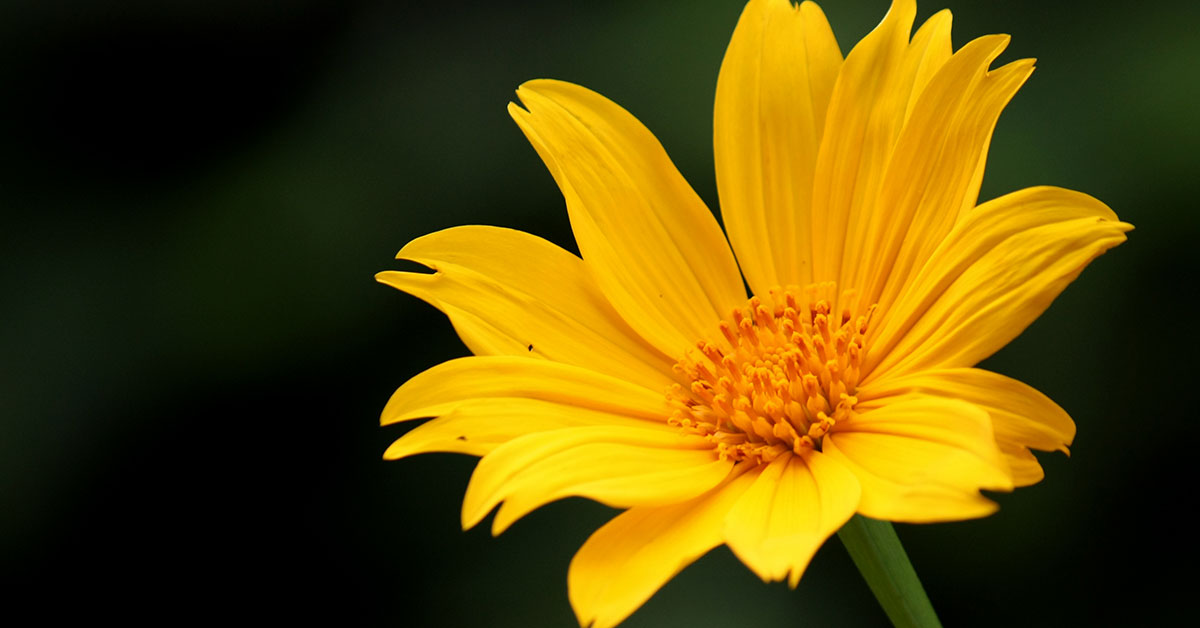

Tithonia, also known as the Mexican sunflower, is a vibrant and striking plant that has gained popularity among gardeners and nature enthusiasts alike.
With its tall stalks, brilliant orange or yellow blooms, and ability to attract a wide variety of pollinators, Tithonia has become a beloved addition to gardens, landscapes, and even wildflower meadows.
We will explore the fascinating characteristics of Tithonia, its cultivation requirements, and the many benefits it brings to our outdoor spaces.
What is a Tithonia?
When it comes to adding vibrant and eye-catching plants to your garden, Tithonia (Tithonia spp.) is an excellent choice. With its striking orange and yellow flowers, this plant is sure to make a statement in any garden or landscape. In this section, we will explore what exactly Tithonia is and learn more about its characteristics and growing requirements.
Tithonia is a genus of flowering plants in the sunflower family (Asteraceae), commonly known as Mexican sunflowers or tree marigolds. There are several species within this genus, including Tithonia diversifolia and Tithonia rotundifolia, both of which are popular among gardeners.
Tithonia plants are generally herbaceous perennials or shrubs, depending on the species. They are native to Mexico and Central America but have gained popularity worldwide due to their stunning appearance and easy care.
The plants are characterized by their tall, upright growth habit, reaching heights of 4 to 8 feet (1.2 to 2.4 meters). The leaves are large and deeply lobed, resembling those of a marigold plant. The flowers, which appear in late summer or early fall, are the main attraction of Tithonia. They are large, daisy-like blooms with vibrant orange or yellow petals and dark centers, attracting butterflies, bees, and other pollinators.
Tithonia plants are known for their ability to thrive in hot and sunny conditions, making them ideal for gardens in warm climates. They require full sun exposure to produce the best blooms but can tolerate some light shade. Well-drained soil is crucial for their growth, as excessive moisture can lead to root rot.
In terms of maintenance, Tithonia plants are relatively low-maintenance. They have moderate water needs and can tolerate periods of drought once established. However, regular watering during dry spells will help promote healthy growth and abundant flowering.
Where is Tithonia native?
Tithonia is a vibrant and eye-catching plant that belongs to the Asteraceae family. With its brilliant orange or yellow blooms, Tithonia adds a burst of color to gardens and attracts various pollinators like bees and butterflies. In this section, we will explore the native range of Tithonia, including the specific regions within the United States where it can be found.
Native Range of Tithonia:
Tithonia is native to Mexico and Central America, where it thrives in the warm and tropical climates of these regions. Specifically, Tithonia species are found in countries such as Mexico, Guatemala, Belize, Honduras, Nicaragua, Costa Rica, and Panama. These areas provide the ideal conditions for Tithonia to grow, including ample sunlight, well-drained soil, and consistent rainfall.
Tithonia in the United States:
Although Tithonia is not native to the United States, it has naturalized in certain regions of the country. Naturalization refers to the process by which a non-native plant establishes self-sustaining populations in an area outside its native range. In the case of Tithonia, it has successfully adapted to the climate and environmental conditions in some parts of the U.S.
Tithonia can be found growing in several states across the southern and southeastern regions of the United States. These states include Texas, Florida, Louisiana, Alabama, Mississippi, Georgia, South Carolina, and North Carolina. The warm and humid climates of these states resemble the natural habitat of Tithonia, allowing it to thrive and spread.
In these areas, Tithonia is often cultivated as an ornamental plant for its stunning flowers and low maintenance requirements. Gardeners and horticultural enthusiasts appreciate its ability to attract pollinators and its resilience to heat and drought. Additionally, Tithonia’s naturalization can sometimes be observed in disturbed areas, such as roadsides, where it establishes itself and persists over time.
Tithonia is native to Mexico and Central America, where it is well-adapted to the warm and tropical climates of these regions. While not native to the United States, Tithonia has naturalized in several states in the southern and southeastern parts of the country. Its ability to thrive and spread in these areas is a testament to its adaptability and resilience. Whether grown as an ornamental plant or observed in the wild, Tithonia’s vibrant blooms and ability to attract pollinators make it a valuable addition to any garden or landscape.
How to start from seed
Starting Tithonia from seeds is a rewarding and cost-effective way to grow this beautiful plant. In this section, we will guide you through the process of starting Tithonia from seed, ensuring a successful and flourishing garden.
- Choosing the Right Seeds:
To start Tithonia from seed, it is crucial to choose high-quality seeds from a reputable supplier. Look for seeds that are free from any signs of damage or mold. Additionally, consider selecting a variety of Tithonia that suits your preferences, as they come in different heights and colors. - Timing:
Tithonia seeds should be sown directly in the garden after the last frost date for your region. Make sure to check the local climate and frost dates to determine the ideal time for planting. Tithonia is a warm-season annual, and it requires a long growing season to reach its full potential. - Soil Preparation:
Prepare the soil in the chosen planting area by removing any weeds, rocks, or debris. Tithonia prefers well-draining soil that is rich in organic matter. Consider adding compost or well-rotted manure to improve the soil’s fertility and structure. It is also beneficial to work in a slow-release fertilizer to provide essential nutrients for the growing plants. - Sowing the Seeds:
Create small, shallow furrows in the prepared soil, approximately 1/4 inch deep. Space the furrows about 12-18 inches apart to allow enough room for the plants to grow. Place the seeds in the furrows, ensuring they are evenly spaced. Cover the seeds with a thin layer of soil and gently pat it down. - Watering and Care:
After sowing the seeds, water the area thoroughly but gently to avoid displacing the seeds. Keep the soil consistently moist throughout the germination period, which usually takes around 7-14 days. Once the seedlings emerge, water them regularly, providing enough moisture to keep the soil evenly moist but not waterlogged. - Transplanting:
When the Tithonia seedlings have developed their second set of true leaves, they can be transplanted into their final growing location. Dig holes in the garden that are slightly larger than the root ball of each seedling. Carefully lift the seedlings from their containers, ensuring the roots are not damaged, and place them in the prepared holes. Fill in the gaps with soil and firm it gently around the seedlings. - Maintenance:
These plants require full sun to thrive, so make sure they are planted in a location that receives at least 6-8 hours of direct sunlight per day. Regularly check the soil moisture and water the plants as needed, especially during dry spells. Mulching around the base of the plants can help conserve moisture and suppress weed growth.
How to grow this flower in your garden
Tithonia is a beautiful flowering plant that belongs to the Asteraceae family. With its vibrant orange or red blooms and tall, sturdy stems, this plant adds a striking pop of color to any garden or landscape. This blog post will guide you through the process of growing Tithonia, from selecting the right location to caring for the plant throughout its growth.
Choosing the Right Location
Tithonia thrives in warm climates and requires full sun to grow and bloom successfully. Therefore, it is essential to choose a location in your garden that receives at least six hours of direct sunlight daily. Additionally, Tithonia prefers well-draining soil, so make sure the area you select has good drainage to prevent waterlogged roots.
Preparing the Soil
Before planting Tithonia, it is crucial to prepare the soil adequately. Start by removing any weeds, rocks, or debris from the planting area. Loosen the soil using a garden fork or tiller to a depth of about 8-10 inches. Incorporate organic matter, such as compost or aged manure, into the soil to improve its fertility and drainage. This will provide Tithonia with the necessary nutrients to grow and thrive.
Planting
Once the soil is prepared, it’s time to plant your Tithonia. Start by digging a hole that is slightly larger than the root ball of your plant. Place the plant in the hole, making sure it is at the same depth as it was in its nursery container. Backfill the hole with soil, gently pressing it down around the plant to remove any air pockets. Water the plant thoroughly after planting to help settle the soil.
Watering and Care
Tithonia requires regular watering to establish strong roots and promote healthy growth. Water the plant deeply once or twice a week, providing enough moisture to reach the root zone. However, avoid overwatering, as Tithonia is susceptible to root rot in waterlogged soil.
To keep the plant looking its best, you can also provide a layer of organic mulch around the base of Tithonia. Mulching helps retain soil moisture, suppresses weed growth, and regulates soil temperature. Remember to keep the mulch a few inches away from the stem to prevent rotting.
Supporting and Pruning
Tithonia can grow quite tall, reaching heights of up to six feet or more. To prevent the plant from toppling over in strong winds or heavy rains, it is advisable to provide support. This can be done by staking the plant or using a plant cage. As Tithonia grows, gently tie the stems to the support structure to keep them upright.
Regular pruning is also beneficial for Tithonia. As the plant matures, it may become leggy or develop dead or damaged foliage. Prune these parts regularly to maintain a tidy appearance and encourage new growth. Additionally, deadheading the spent flowers will promote continuous blooming throughout the growing season.
Potential Pests and Diseases
While Tithonia is generally resistant to pests and diseases, it may occasionally face some challenges. Common pests that can affect this plant include aphids, leafhoppers, and spider mites. Keep an eye out for any signs of infestation and take appropriate measures, such as using organic insecticidal soap or introducing beneficial insects, to control these pests.
In terms of diseases, it can be susceptible to fungal infections, especially in humid conditions. To minimize the risk of disease, avoid overhead watering and provide good air circulation around the plant. If necessary, apply a fungicide according to the instructions on the product label.
Enjoying the Blooms of Tithonia
With proper care and attention, your plants will reward you with an abundance of vibrant blooms that attract bees, butterflies, and other pollinators to your garden. Take the time to appreciate the stunning display of color and the impact it has on your outdoor space. By following these growing tips, you can enjoy the beauty of Tithonia for years to come.
Interesting facts about Tithonia
Tithonia is a vibrant and eye-catching flower that belongs to the Asteraceae family. Native to Mexico and Central America, Tithonia has gained popularity among gardeners for its striking appearance and easy cultivation.
- Rapid Growth: One of the most remarkable features of Tithonia is its rapid growth. These plants can grow up to 6-10 feet tall within a single season, making them an excellent choice for creating a natural privacy screen or adding height to your garden. With their fast growth rate, Tithonia can quickly transform any space into a lush and colorful oasis.
- Attracts Pollinators: The flowers are a magnet for pollinators, particularly bees, butterflies, and hummingbirds. The bright orange or red flowerheads produce nectar-rich blossoms that act as a valuable food source for these beneficial insects and birds. By planting Tithonia in your garden, you can create a pollinator-friendly environment and contribute to the preservation of these essential creatures.
- Drought Tolerance: This plant is known for its ability to withstand drought conditions, making it an ideal choice for gardeners in dry regions or those looking for low-maintenance plants. Once established, Tithonia can survive with minimal watering, making it an eco-friendly addition to your garden.
- Medicinal Uses: In addition to its ornamental value, Tithonia has a long history of medicinal use. Traditional healers in Mexico have used various parts of the plant to treat ailments such as respiratory problems, skin infections, and gastrointestinal disorders. While scientific research is limited, these traditional uses highlight the potential therapeutic properties of Tithonia spp.
- Easy Propagation: Propagating is relatively simple, making it an excellent choice for beginner gardeners or those looking to expand their plant collection. The plant can be easily grown from seeds, which germinate quickly, and young plants can be easily transplanted into the garden once they have developed a sturdy root system.
- Cut Flower Potential: The flowers have a long vase life, making them a popular choice for cut flower arrangements. The large, daisy-like blooms add a vibrant touch to any floral display and can last for up to two weeks when properly cared for. By growing Tithonia in your garden, you can have an abundant supply of fresh, colorful flowers to brighten up your home.
It is a fascinating plant with numerous unique qualities. Its rapid growth, ability to attract pollinators, drought tolerance, potential medicinal uses, easy propagation, and cut flower potential make it a versatile and appealing addition to any garden. Whether you’re a seasoned gardener or just starting, Tithonia is a plant that will undoubtedly bring joy and beauty to your outdoor space.