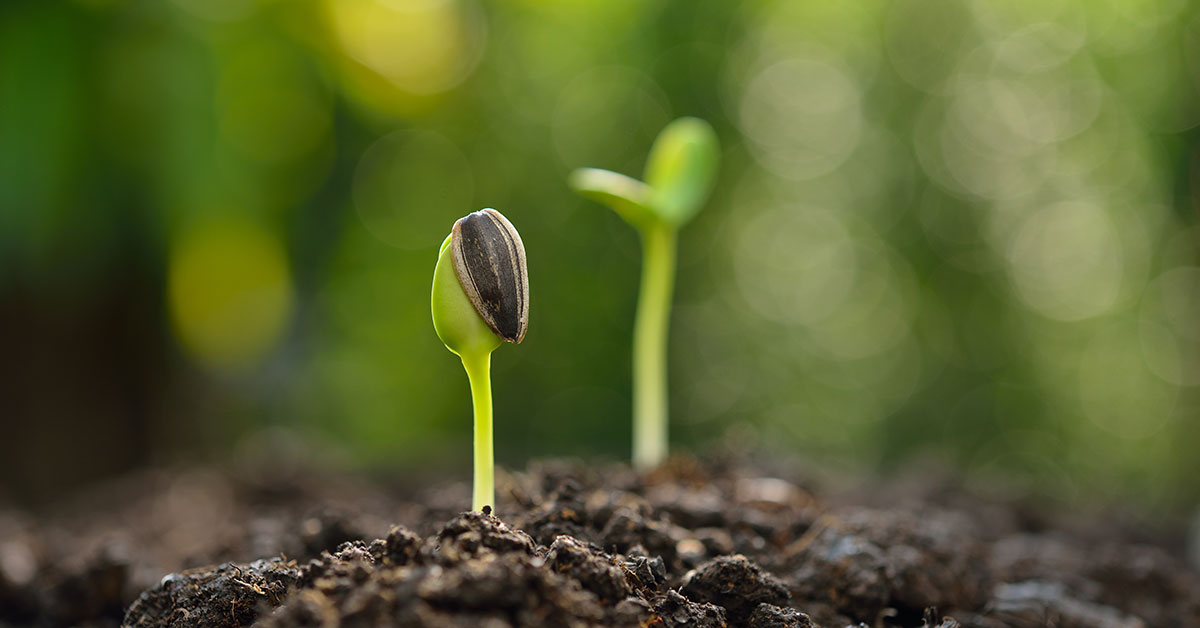

Growing sunflowers in zone 9 is an exciting and rewarding experience. With a long growing season and mild temperatures, zone 9 offers the perfect environment for cultivating vibrant and healthy sunflowers. Not only are sunflowers beautiful to look at, but they are also a great source of food for wildlife and pollinators. With the right care, sunflowers can provide a colorful and abundant harvest for many years to come.
Growing zone 9 climate
Zone 9 has a warm, sub-tropical climate. Summers are hot and humid with temperatures reaching up to 95°F (35°C) and occasional heat waves. Winters are mild with temperatures rarely dropping below 40°F (4°C). Rainfall is usually moderate throughout the year, but the summer months tend to be the wettest.
Growing sunflowers in zone 9
When grown in warm climates, sunflowers can reach up to 8 feet tall and produce large, yellow, daisy-like flowers. The blooms can last throughout the summer and provide a beautiful and vibrant display. Sunflowers also need plenty of sunlight and a minimum of 6-8 hours of direct sunlight a day to thrive. Planting in an area with full sun is the best way to maximize the sunflower’s bloom potential.
Additionally, when growing sunflowers in zone 9, you will need to be mindful of the soil quality. They prefer well-drained soil that is high in organic matter and has a pH between 6.5 and 7.5. Adding compost to the soil can help improve its quality and add nutrients that will help the sunflowers thrive.
Some of my favorite varieties of sunflower include:
- Mammoth Grey Stripe Sunflower (Helianthus annuus) – 75-100 days to maturity
- Teddy Bear Sunflower (Helianthus annuus) – 60-90 days to maturity
- Red Sun (Helianthus annuus) – 65-95 days to maturity
- Autumn Beauty Sunflower (Helianthus annuus) – 75-90 days to maturity
- Lemon Queen Sunflower (Helianthus annuus) – 75-95 days to maturity
- Velvet Queen Sunflower (Helianthus annuus) – 90-110 days to maturity
- Dwarf Sunspot Sunflower (Helianthus annuus) – 60-90 days to maturity
- Giant Sungold Sunflower (Helianthus annuus) – 85-110 days to maturity
- Evening Sun Sunflower (Helianthus annuus) – 75-95 days to maturity
- Sundance Kid Sunflower (Helianthus annuus) – 75-95 days to maturity
When to start sunflowers indoors in zone 9

Sunflower seeds should be started indoors 4 weeks before your final frost date. In zone 9, the final frost date is around February 28th. You should also consider the size of the variety of sunflower you are planting, as shorter varieties can be planted earlier and taller varieties will need to be started later. Sunflowers should be started indoors around January 31st in zone 9.
Starting sunflowers from seed is a relatively easy process that can be done both indoors and outdoors. To begin, you will need to purchase sunflower seeds from a garden center or online. When selecting seeds, make sure to look for the desired variety you want to grow. Once you have your seeds, you can choose to start them indoors 4 weeks before the last frost date for your region.
Fill a seed tray with starter soil and moisten it with a spray bottle. Place your seeds on top of the soil, cover them lightly with starter soil, and water them gently. Place the tray in a warm and sunny spot, and keep the soil moist. Once your plants have grown 2-3 sets of leaves, you can transplant them outdoors.
Planting sunflowers outdoors
Sunflower seeds should be planted outdoors after the last average frost date for your area. Planting sunflower seeds too early can result in poor germination and seedling growth and potentially death if there’s a hard freeze.
When planting outdoors, make sure the area has plenty of sunshine and well-draining soil. Dig a hole that is twice the size of the root ball, and fill the hole with compost or aged manure. Place the seedling in the hole and backfill with soil, then water deeply.
For the remainder of the sunflower’s life, make sure to keep the soil moist and fertilize regularly. With proper care, you should have beautiful sunflowers in no time!