

The early days of spring are like a magical rebirth for the garden, where a burst of delicate colors signals the end of winter’s chill! As a passionate gardener who eagerly awaits the first signs of life, I’m thrilled to share my insights on 15 spectacular flowers that start blooming at the very beginning of spring. These blooms, each with its own unique story and native origins—from the snowy fields of Europe to the sunlit slopes of the Mediterranean—add not only beauty but also a dynamic burst of energy that attracts pollinators and creates a haven for nature’s tiny nesters.
I understand the frustration when your garden seems to hold its breath during the lingering winter months, and you’re desperate for that first hint of color to brighten your day. Whether you’re battling a shady corner or a patch of soil that just won’t warm up, this guide is filled with thorough, hands-on tips and inspiring stories from my own gardening adventures. Let’s dive into these 15 early-spring wonders and explore how each flower brings its own charm, native heritage, and ecological benefits to your outdoor sanctuary!
Crocus
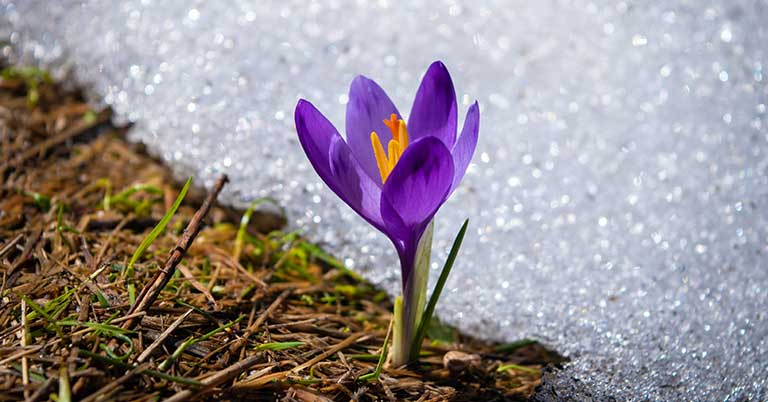
Crocus, one of my absolute favorites, bursts forth in early spring with vibrant purples, yellows, and whites that seem to defy the lingering chill of winter! Native to the Mediterranean and parts of Asia, crocuses have a storied history as one of the first blooms to greet the season. Their slender, cup-shaped blossoms not only add a splash of color to cold landscapes but also attract early pollinators like bees, which start nesting and gathering nectar as soon as the weather permits.
In my garden, crocuses create a delightful carpet that signals the end of frost and the beginning of warmer days. Although they are not invasive, their tenacious growth can sometimes fill in gaps quickly, making them ideal for naturalizing in meadows or rock gardens. Watching these delicate flowers push through the soft earth reminds me of nature’s persistence and the joy of witnessing a garden reborn each spring!
Snowdrops
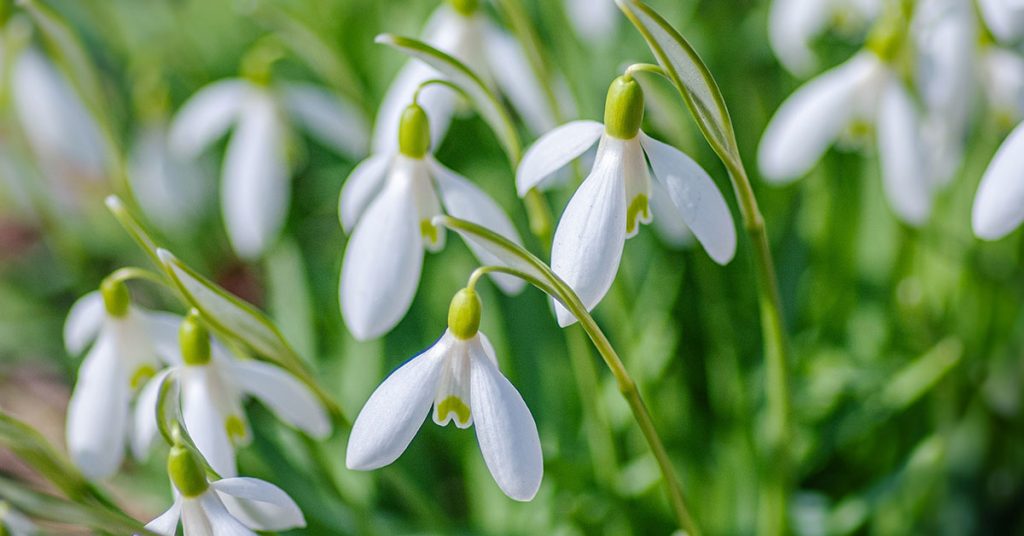
Snowdrops are a gentle herald of spring, emerging from the snow with their delicate, nodding white petals that evoke images of quiet winter mornings. Native to parts of Europe and Asia, these charming flowers are celebrated for their resilience and subtle beauty. In my experience, snowdrops not only add a touch of elegance to the garden but also attract early pollinators, such as solitary bees, that begin their nesting cycles as soon as these blooms appear!
I appreciate snowdrops for their understated grace and the way they transform even the most barren winter landscape into a scene of hope. They are non-invasive, making them a perfect addition to borders and woodland gardens where they can spread gradually without overwhelming other species. Each year, as I watch snowdrops gently sway in the breeze, I’m reminded of the quiet persistence of nature and the promise of renewal that spring brings!
Daffodils
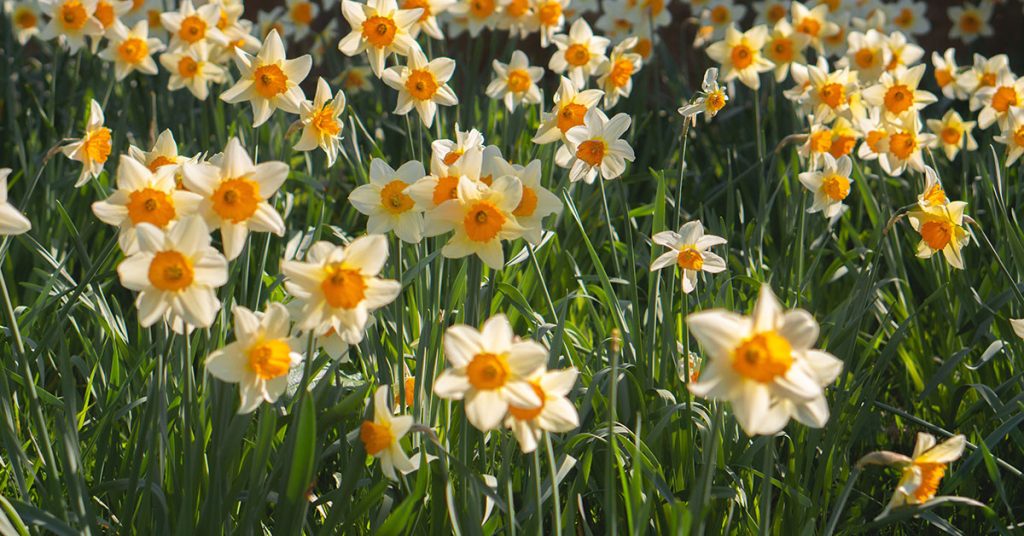
Daffodils are an iconic symbol of spring, radiating bright yellows and whites that instantly lift the spirits after a long winter. These cheerful blooms are native to Europe and parts of North Africa, and they have been cherished for centuries not only for their beauty but also for their hardiness. In my garden, daffodils serve as natural beacons, attracting bees and other early-season pollinators that start to nest in the surrounding shrubs and grasses.
What I find particularly delightful about daffodils is their ability to naturalize and reappear year after year without becoming invasive. Their elegant trumpet-like shapes and robust growth patterns create a harmonious balance with other spring blooms, making them a must-have for gardeners aiming for a continuous display of color. Every time I see a field of daffodils swaying in the gentle spring breeze, it’s a reminder of the season’s joyous arrival and the endless cycles of nature!
Hyacinths
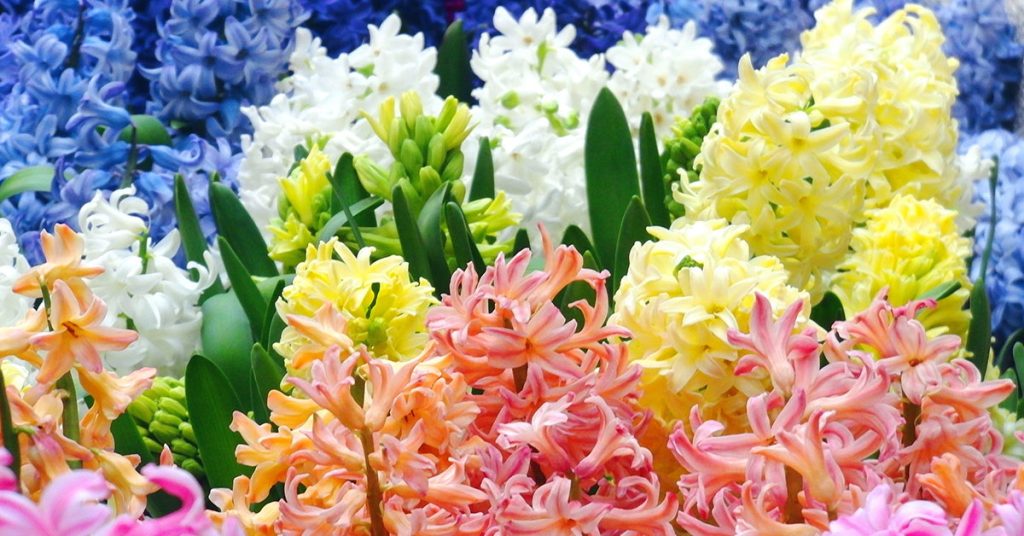
Hyacinths bring a burst of intense fragrance and vivid color to the early spring garden, making them one of my most cherished blooms! Native to the Eastern Mediterranean and parts of Asia, hyacinths are renowned for their dense, spike-like clusters that offer a sensory delight to both the eyes and the nose. Their intoxicating aroma not only entices human admirers but also draws in pollinators like bees, which play a crucial role in the ecosystem by beginning their early nesting routines around these flowering clusters.
In addition to their visual and olfactory appeal, hyacinths are well-behaved and non-invasive, making them an excellent choice for borders and containers alike. I enjoy planting them alongside other early-spring flowers to create a layered, textured display that signals the full arrival of the season. The combination of their vibrant hues and rich scents fills my garden with an unmistakable energy that makes every spring day feel like a celebration of life and renewal!
Primroses
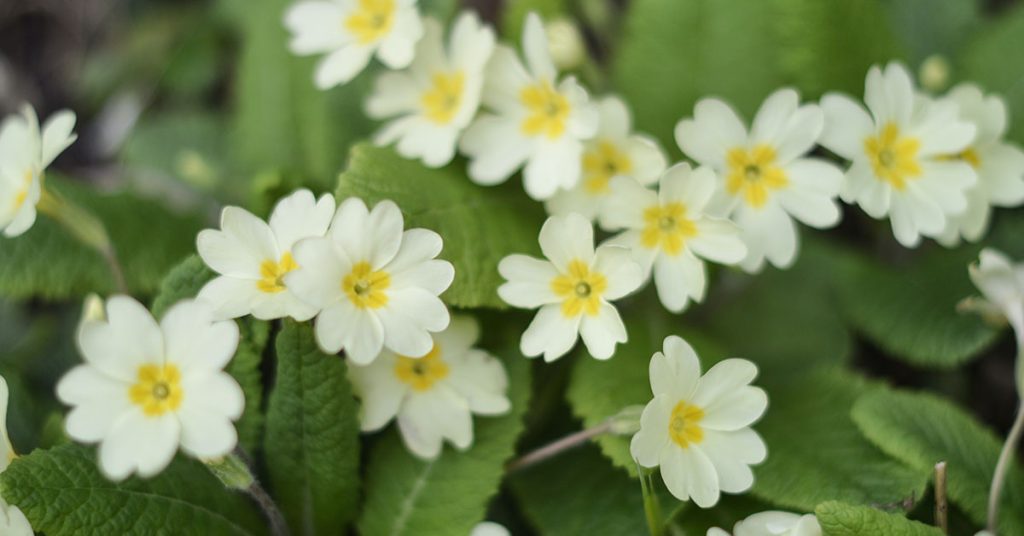
Primroses offer a charming start to spring with their cheerful, multi-colored blooms that range from soft pastels to vivid brights. Native to the temperate regions of the Northern Hemisphere, these hardy perennials thrive in cool, moist conditions and are known for their early blooming nature. In my garden, primroses create an inviting carpet that attracts early bees and butterflies, some of which even find cozy spots nearby to begin their nesting cycles!
I appreciate primroses for their versatility and resilience—while they are not invasive, they spread gracefully, filling gaps in garden beds and woodland borders without overpowering other plants. Their delicate, cup-shaped blossoms seem to whisper promises of warmer days ahead, and every time I see them, I’m reminded of the gentle transition from winter’s dormancy to spring’s vibrant rebirth. These delightful flowers bring both beauty and a touch of whimsy to any garden landscape!
Pansies
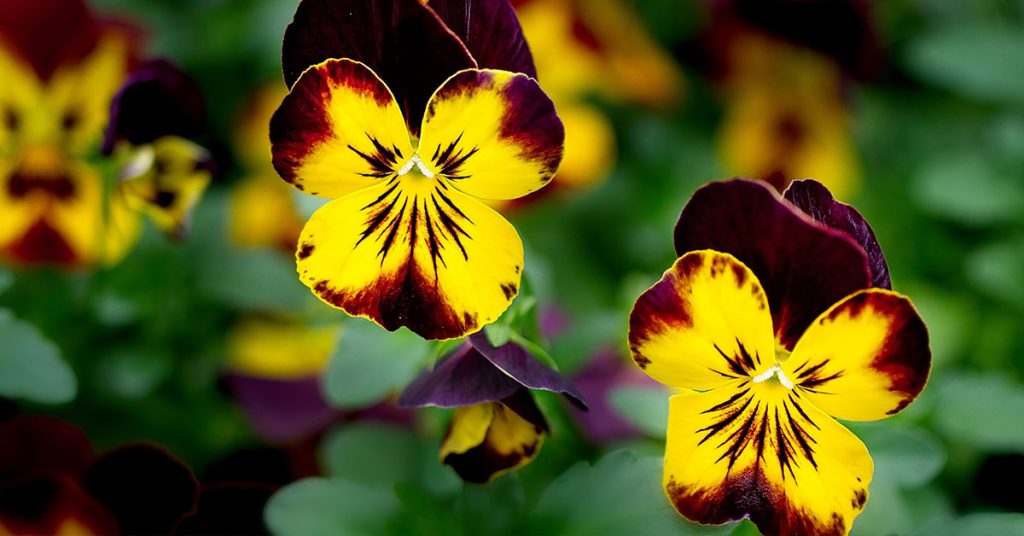
Pansies are a delightful addition to the early spring garden, offering a kaleidoscope of colors that can brighten even the gloomiest day. Native to the Mediterranean region, pansies have been cultivated for centuries and are well-known for their face-like blooms that seem to greet the season with cheerful expressions. In my experience, these flowers are fantastic for attracting pollinators, particularly small bees and hoverflies, which start to seek out nectar and may even use nearby foliage for nesting!
What makes pansies truly remarkable is their ability to withstand cool temperatures while still providing a vibrant splash of color. They are non-invasive and easy to care for, making them perfect for container gardening, borders, or even ground cover in shaded areas. I often find that a well-placed arrangement of pansies transforms a bland corner of the garden into a lively, welcoming space that radiates the promise of spring and the excitement of new beginnings!
Forsythia
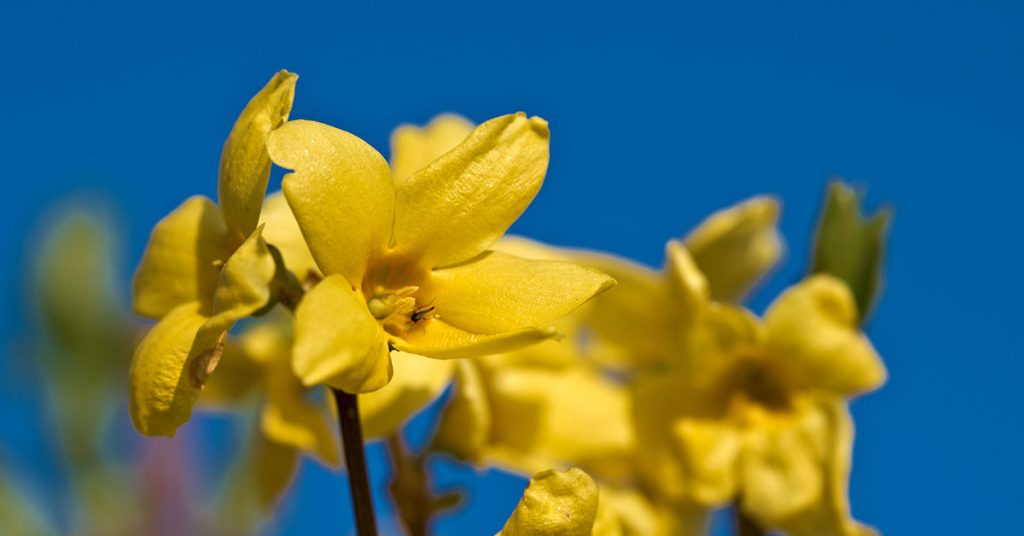
Forsythia shrubs burst into a cascade of golden-yellow blooms at the very start of spring, creating a stunning visual display that signals the end of winter’s grip. Native to East Asia, forsythia has become a beloved ornamental plant across many regions, known for its rapid growth and profuse flowering. In my garden, forsythia not only adds a brilliant splash of color but also serves as a magnet for early-season pollinators, such as bees and butterflies, which begin to explore the newly awakened landscape.
Despite its vigorous blooming, forsythia is generally well-behaved and not considered invasive, making it a reliable choice for hedges and borders. I appreciate its robust nature, which provides both aesthetic appeal and functional benefits like wind protection and natural privacy. The sight of forsythia branches laden with golden blooms always fills me with excitement and anticipation, as it heralds the arrival of a season filled with growth, renewal, and endless gardening possibilities!
Hellebores
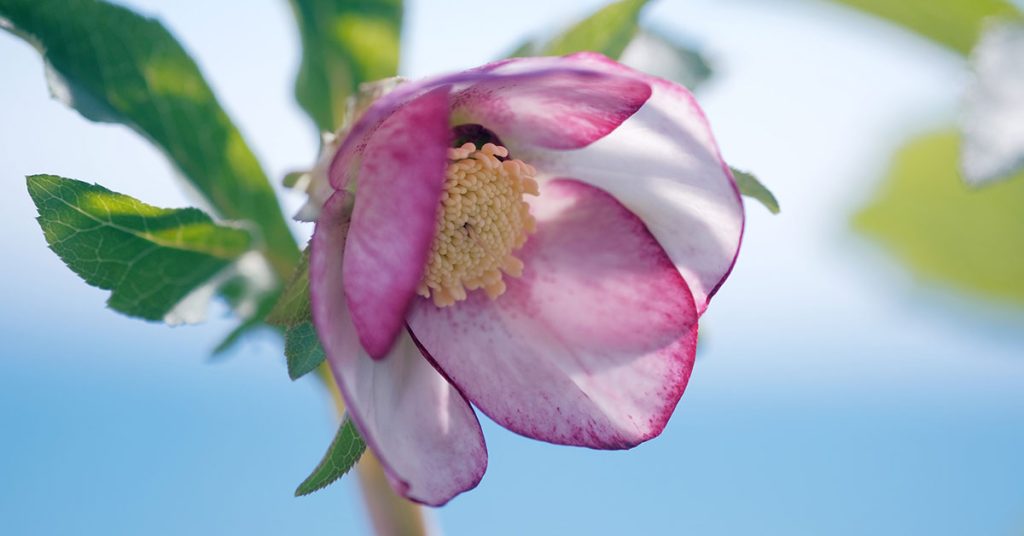
Hellebores, often referred to as the “Christmas Rose,” are among the earliest bloomers of spring, gracing the garden with their mysterious, nodding flowers in shades of white, pink, and purple. Native to Europe and Asia, these perennial beauties are prized for their ability to thrive in shady, woodland environments. In my garden, hellebores create a serene, almost magical atmosphere, attracting early pollinators like bumblebees, which sometimes use the sheltered areas around these blooms as a starting point for their nesting activities.
One of the aspects I adore about hellebores is their subtle elegance and long-lasting bloom period. They are non-invasive and tend to spread slowly over time, creating a delicate undergrowth that harmonizes perfectly with other shade-loving plants. Their unique, often whimsical appearance serves as a gentle reminder that even in the quiet moments of early spring, nature is busy at work, preparing a spectacular show that delights both the eyes and the heart!
Magnolia
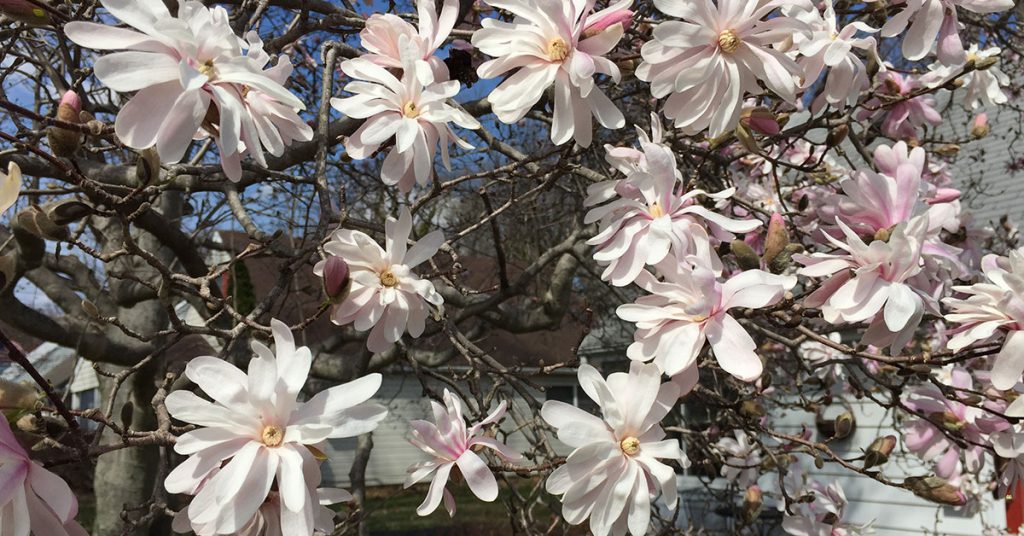
Magnolia trees, with their grand, creamy blossoms, bring an air of sophistication and timeless beauty to the early spring garden. Native to East Asia and the Americas, magnolias have long been celebrated for their impressive, cup-shaped flowers that exude a subtle fragrance and attract a variety of pollinators. In my own garden, the blooming magnolia is a signal that the season has fully awakened, and I love watching bees and butterflies flutter among the blossoms, some even pausing to explore the tree’s textured bark for tiny crevices that serve as temporary nesting sites.
While magnolias are not considered invasive, their stately presence and expansive growth require a bit of planning in terms of garden placement. They create a dramatic focal point that pairs beautifully with early spring blooms and provide year-round interest with their glossy foliage and graceful structure. I always feel a surge of pride when my magnolia comes into bloom—its majestic flowers seem to embody the very essence of spring, promising a season filled with warmth, light, and natural wonder!
Anemones
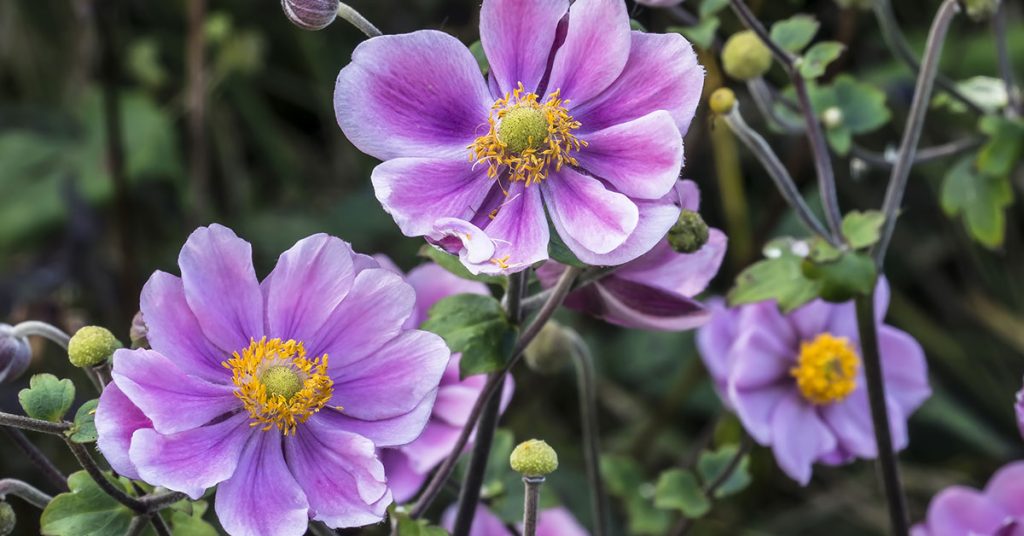
Anemones, with their delicate, poppy-like blossoms, are a charming herald of spring that bring a touch of whimsy and elegance to the garden. Native to regions in Europe and North America, these perennials are celebrated for their vibrant colors and graceful, drooping petals that sway gently in the breeze. In my garden, anemones serve as an excellent early spring indicator, attracting pollinators like solitary bees that often make their first nests in the sheltered nooks of nearby shrubs and ground cover.
What makes anemones especially appealing is their ability to naturalize over time without becoming invasive. They form clumps that gradually spread, creating a carpet of color that is both enchanting and low-maintenance. I delight in the way these flowers seem to effortlessly capture the essence of spring, adding a soft, romantic touch to any garden setting. Their understated beauty and gentle presence remind me that sometimes the quietest blooms hold the most profound charm!
Tulips
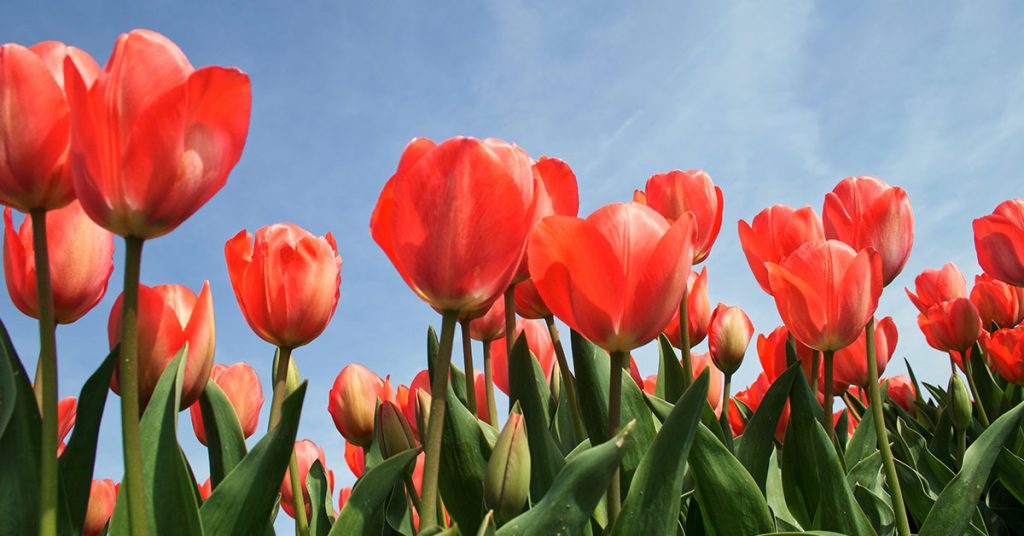
Tulips are synonymous with spring, offering a spectacular display of vibrant colors that can transform any garden into a living work of art. Originally native to Central Asia, tulips have become beloved worldwide for their bold, cup-shaped blooms and graceful form. In my garden, tulips not only signal the end of winter’s chill but also attract early pollinators, such as bees, which often start nesting in the nearby vegetation as the season awakens. Their radiant petals and diverse hues create a dynamic landscape that brings joy and excitement with each bloom!
Despite their widespread popularity, tulips are well-managed and non-invasive when grown in a controlled garden setting. I enjoy pairing them with other early spring flowers to create a layered, textural display that delights the senses and provides a haven for beneficial insects. Every time I see a field of tulips swaying in the gentle spring breeze, it fills me with a sense of renewal and anticipation for the abundant beauty that the season promises to deliver. Their timeless elegance and striking presence truly embody the spirit of spring!
Scilla

Scilla, commonly known as squill, is a charming early spring bloomer that carpets the garden with clusters of vibrant blue or purple flowers. Native to the Mediterranean and parts of Europe, scilla is celebrated for its robust growth and ability to thrive in cooler climates. In my garden, these star-shaped blooms not only add a cool, calming color but also attract an array of pollinators, including bees that eagerly seek out their nectar and sometimes even find sheltered spots for nesting among the foliage.
I appreciate scilla for its resilience and non-invasive nature, making it an excellent choice for naturalizing in lawns, borders, or rock gardens. The way these flowers emerge in early spring is like a burst of energy that revitalizes the landscape, signaling that winter has finally loosened its grip. Their delightful, almost whimsical appearance and gentle sway in the breeze always bring a smile to my face, reminding me that nature’s smallest details can create the most lasting impressions!
Lily of the Valley
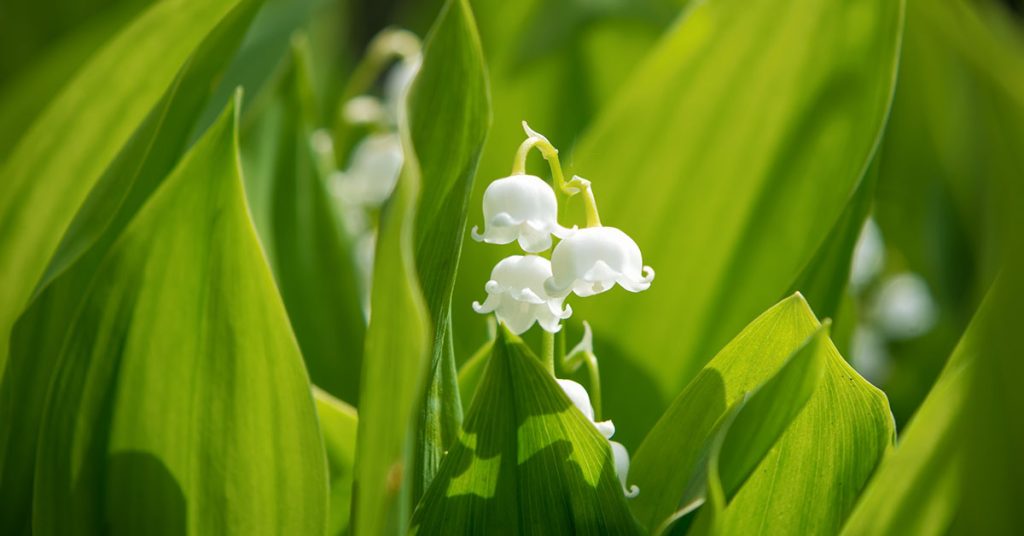
Lily of the Valley is a wonderfully fragrant and delicate flower that heralds the arrival of spring with its dainty, bell-shaped blooms. Native to Europe and parts of Asia, this enchanting plant thrives in shaded, moist environments and has been cherished for centuries for its sweet scent and subtle beauty. In my garden, lily of the valley not only infuses the air with its delightful fragrance but also attracts early pollinators like small bees and butterflies that may even explore nearby foliage for potential nesting spots.
These charming perennials are non-invasive and gracefully form small clumps over time, creating an elegant ground cover that enhances woodland gardens or shaded borders. I always find it rewarding to see these little bells of nature emerge from the undergrowth, signaling that even the quietest parts of the garden can burst into life. Their understated elegance and soothing aroma serve as a gentle reminder that spring is a season of renewal, where beauty can be found in the most unassuming corners of your garden!
Iris reticulata
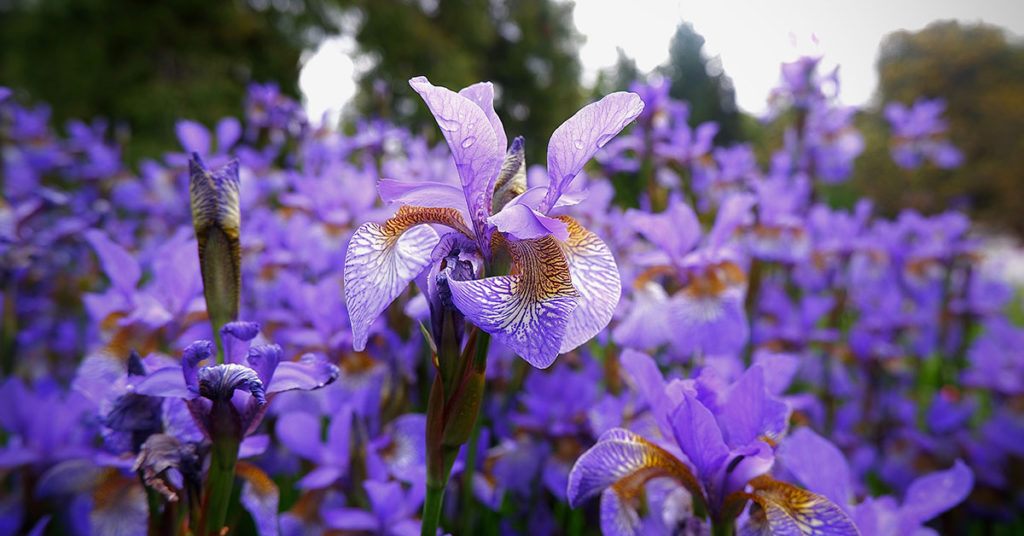
Iris reticulata is a striking early-spring bulb that captivates the garden with its vivid, deep blue or purple blooms and intricate veining. Native to regions in Turkey and Iran, this dwarf iris is cherished for its compact size and spectacular display, making it an ideal choice for rock gardens and borders. In my garden, Iris reticulata is a true gem that not only heralds the coming of spring but also attracts a host of early pollinators, including bees that begin to forage and sometimes even establish small nesting sites near its clumps!
Despite its bold appearance, Iris reticulata is known for being well-behaved and non-invasive, gradually naturalizing over the years to create a stunning mosaic of color. I’m always excited to see how these tiny irises burst forth in clusters, adding a dramatic yet delicate flair to my garden. Their unique beauty and resilience remind me that even the smallest bulbs can yield an impressive display of nature’s artistry when nurtured with care and passion!
Bleeding Heart
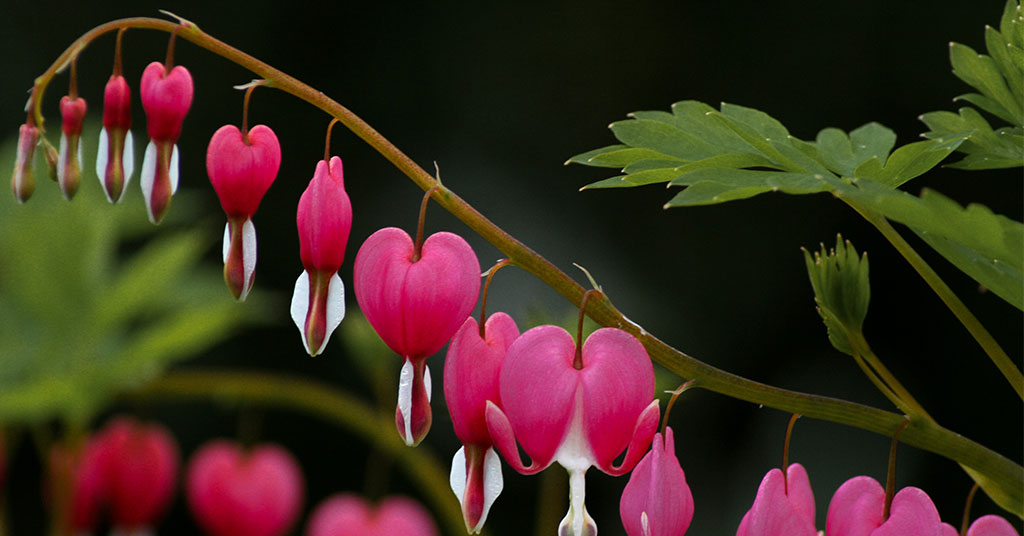
Bleeding Heart is an ethereal spring bloomer that enchants the garden with its delicate, heart-shaped flowers that dangle gracefully from arching stems. Native to Asia and parts of North America, bleeding heart has been admired for centuries for its romantic appearance and soft pastel hues. In my garden, these whimsical flowers create a dreamy atmosphere, attracting early pollinators such as butterflies and small bees that delight in their gentle nectar, and sometimes even use the nearby foliage for secure nesting spots!
Though bleeding heart can be a bit temperamental in terms of soil moisture and light, it remains non-invasive and well-suited for woodland gardens or shaded borders. I appreciate its graceful form and the way it adds a touch of vintage charm to any landscape. Watching the tender, nodding blooms of bleeding heart always fills me with a sense of nostalgia and hope—a reminder that even the most fragile of flowers can make a powerful statement when nurtured with care and a bit of heartfelt passion!