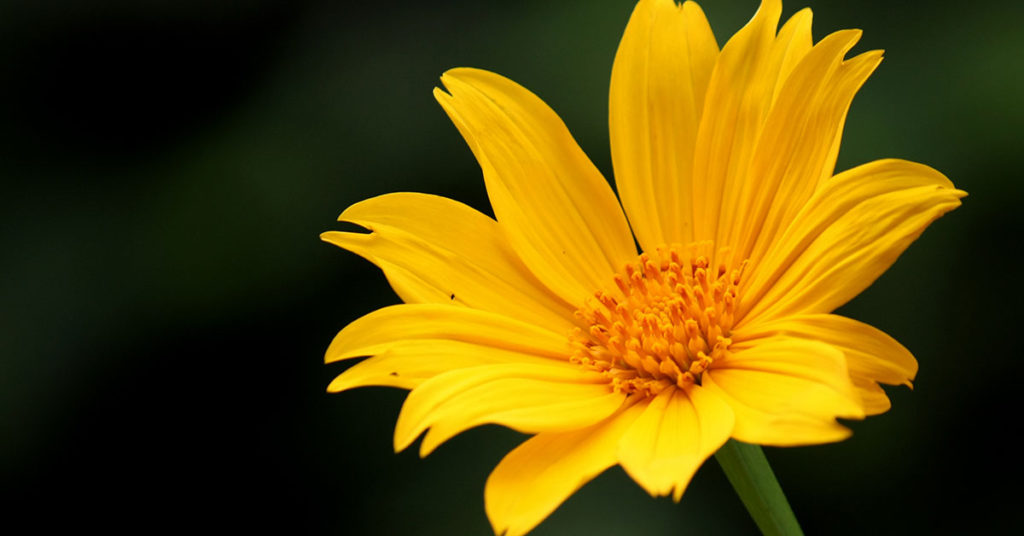
The Mexican sunflower, with its fuzzy, coarse-textured leaf in vivid green, is an excellent filler plant that may also serve as a background for other perennials. This annual is native to Mexico and is not a genuine sunflower. Flowers in warm colors of bright orange and yellow are the most common. The Mexican sunflower has...
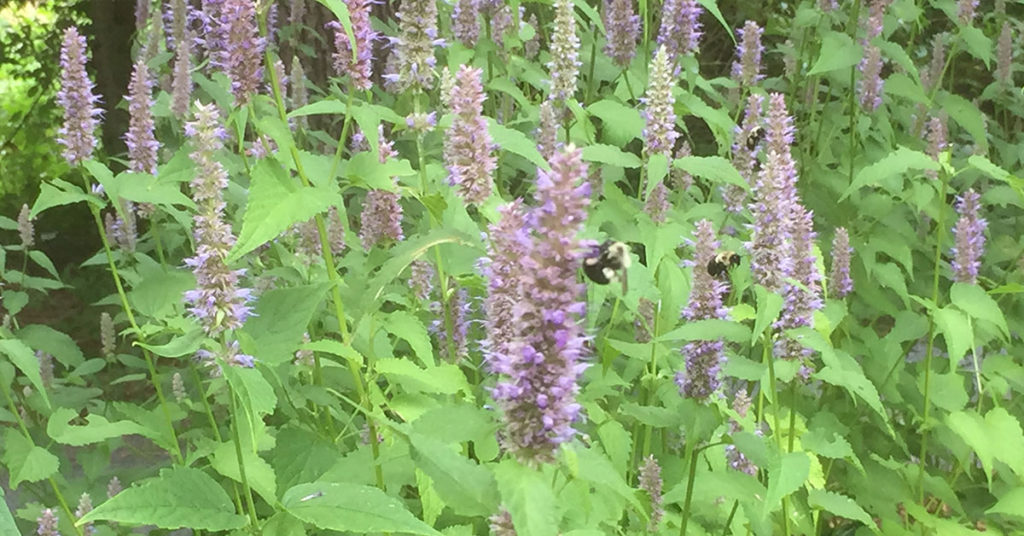
‘Ava’ is a cross between two Agastache species native to the southwestern United States (A. cana x A. barberi). It’s known for its fragrant, sweet-smelling flowers and foliage. Agastache Ava is known for its towering spikes of deep rose-pink blooms held by raspberry-red calyxes, making it one of the best plant introductions. Beginning in mid-summer,...
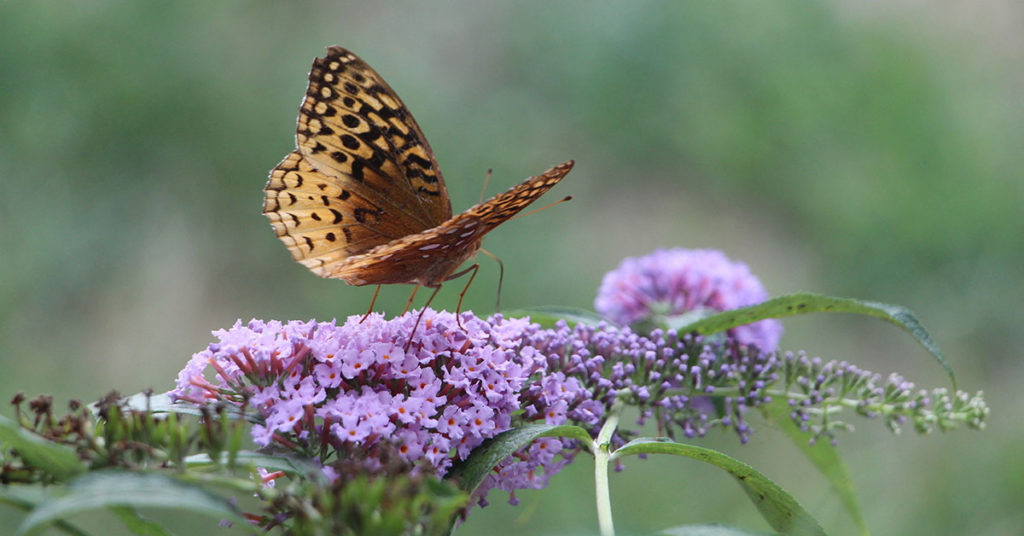
Miss Molly Butterfly Bush is a one-of-a-kind butterfly plant. It is the ideal addition to any summer garden, with its almost red blooms and compact habit. Both butterflies and hummingbirds flock to this aromatic butterfly shrub. The Miss Molly Butterfly Bush has a spring blooming season that lasts until late October. It has deep pink...
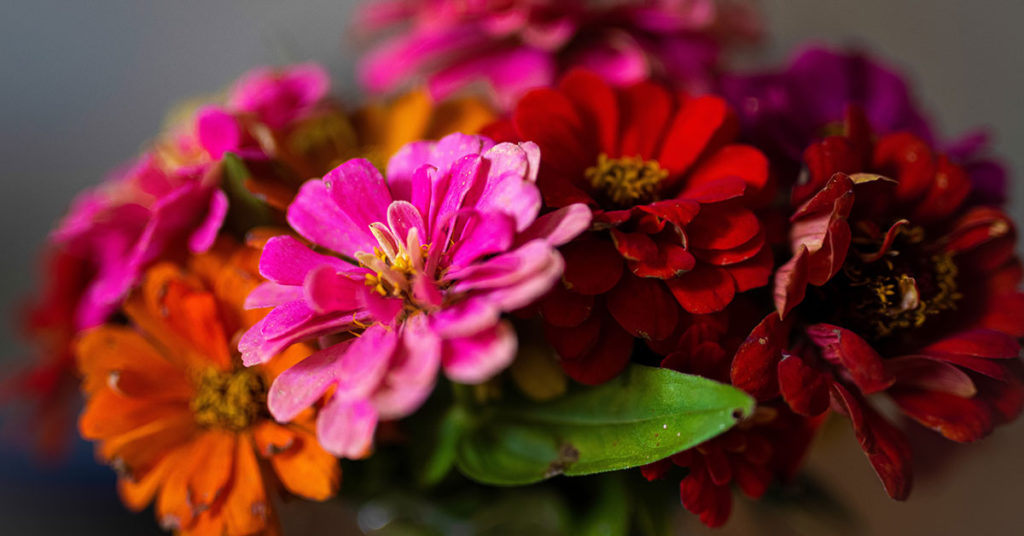
Zinnias is a daisy genus that belongs to the sunflower family (Heliantheae) (Asteraceae). They are found in scrub and dry grassland from the Southwestern United States to South America, with Mexico serving as a diversity hotspot. The genus is known for its single long-stemmed flowers, which come in a variety of vibrant hues. Flowers come...
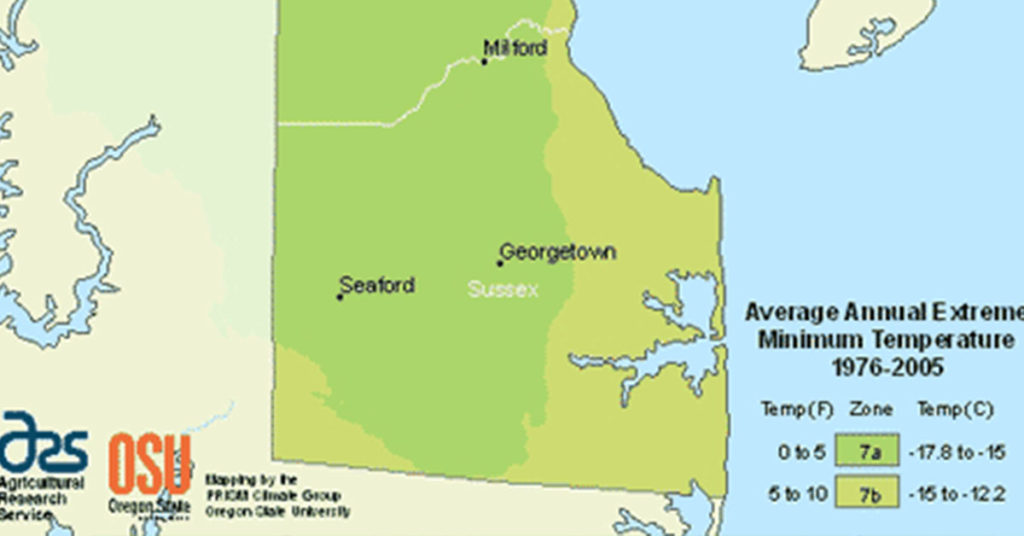
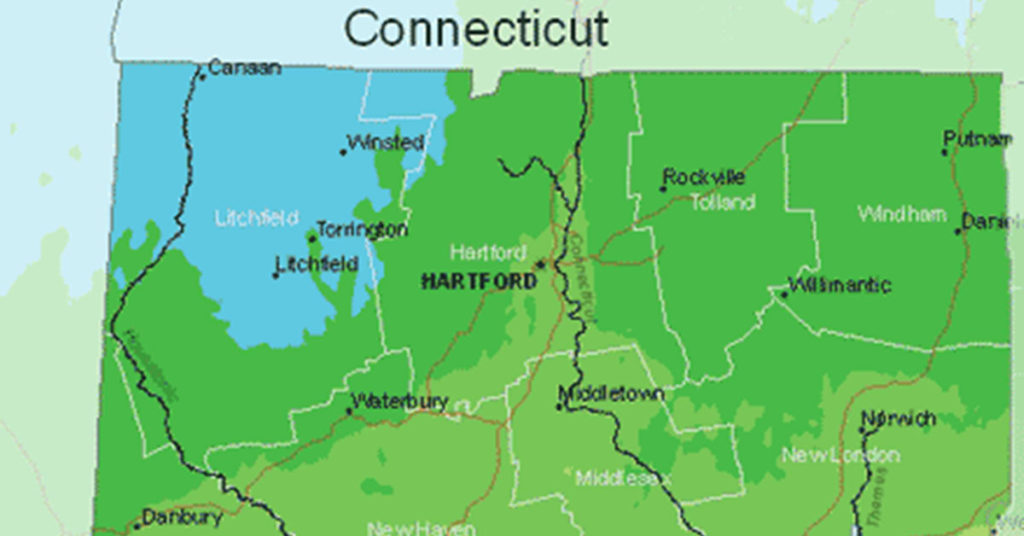
Part of successfully growing a garden is knowing your USDA hardiness planting zone. USDA plant hardiness zones are the standard by which gardeners and growers can determine which plants are most likely to thrive at any given location. Some plants are able to survive outside of their hardiness zone, but can only survive for one...
Part of successfully growing a garden is knowing your USDA hardiness planting zone. USDA plant hardiness zones are the standard by which gardeners and growers can determine which plants are most likely to thrive at any given location. Some plants are able to survive outside of their hardiness zone, but can only survive for one...
Hatching eggs in an incubator at home is one of the most addictive parts of the backyard farming hobby. There are few things more satisfying than watching new life spring forth from the eggs you’ve been carefully incubating for weeks. One type of poultry you can hatch and raise myself are peafowl. Peafowl are sometimes...
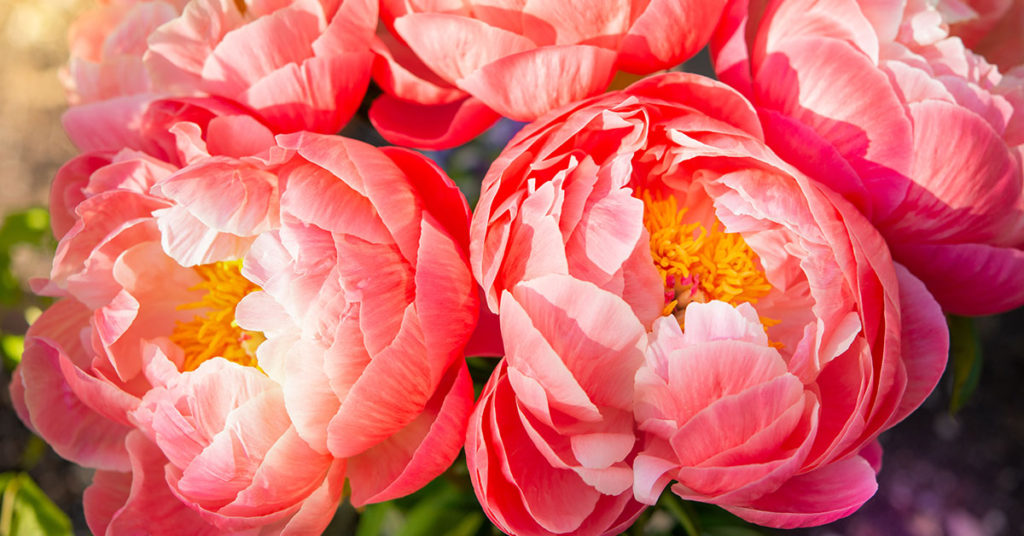
When it comes to gardening, I love perennials. You plant them once and they just keep coming back year after year. Everywhere I’ve ever lived and gardened, there is one plant that for sure has a place in my perennial garden: the peony. I live in a warmer growing zone here in western Oregon, and...
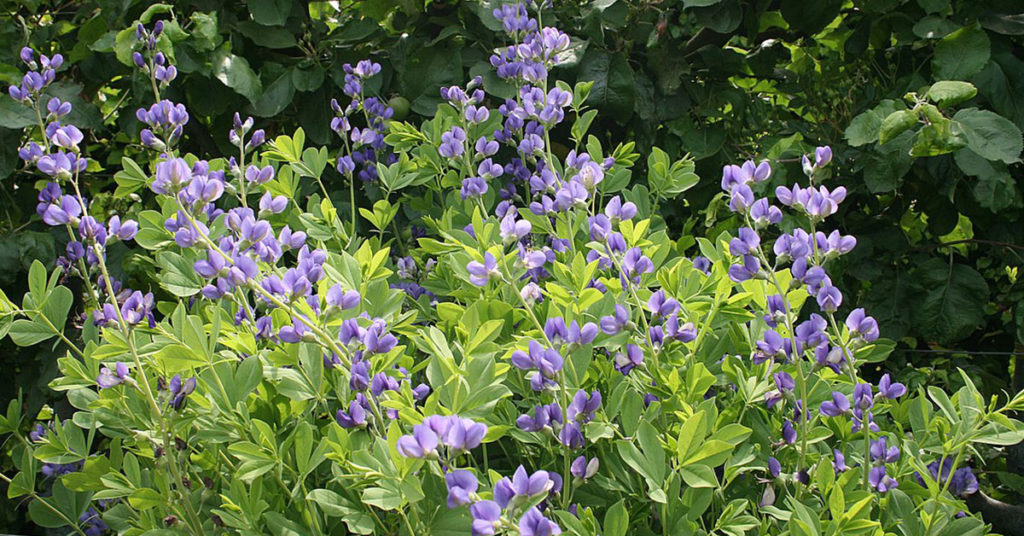
Baptisia, popularly known as fake indigo or wild indigo, is a legume genus in the Fabaceae family. They are blooming herbaceous perennial plants with pea-like blooms that are followed by inflated pods. They grow naturally throughout eastern and southern North America in forests and grassland. Baptisia australis is the most commonly cultivated species. Its root...
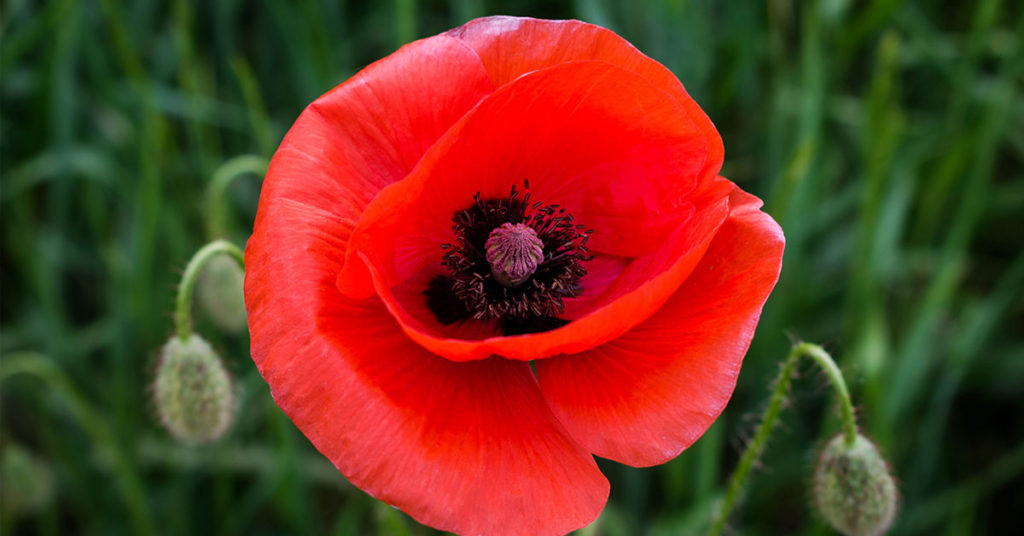
Oriental Poppy flowers have been around for a pretty long time – almost three millennia, to be precise. Throughout this time, gardens all over the world have kept featuring because of their longevity and ease of growing. Moreover, today, the iconic red-orange oriental poppy is no longer the only variety available. The petals of the...
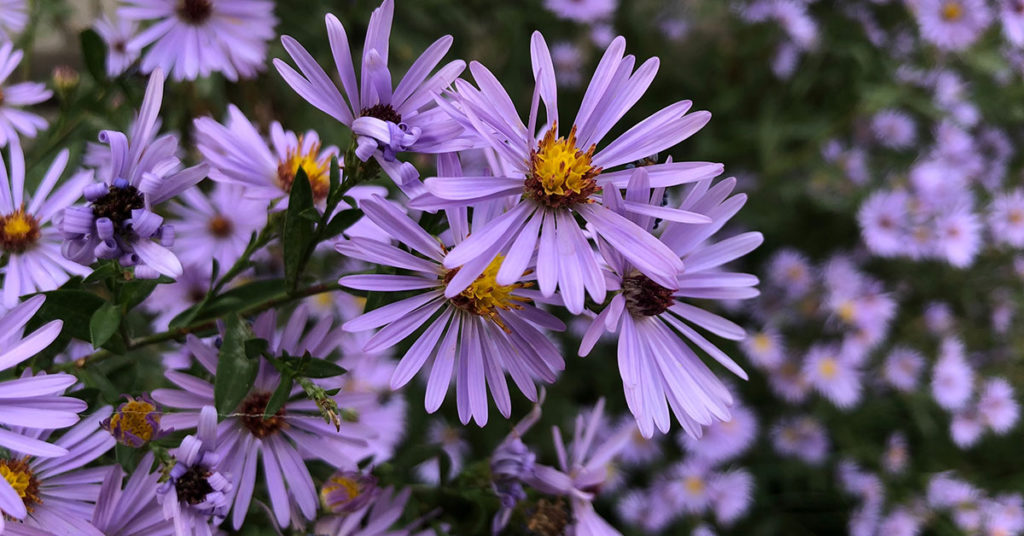
Asters are the show-stopper of the perennial garden, with beautiful fall colors of pink, purple, blue, and white. They’re also one of the few remaining excellent places for bees, butterflies, and other pollinators to find food. Beautiful blossoms and a flurry of fascinating creatures make the Asters, particularly the New England Aster, a two-for-one offer...