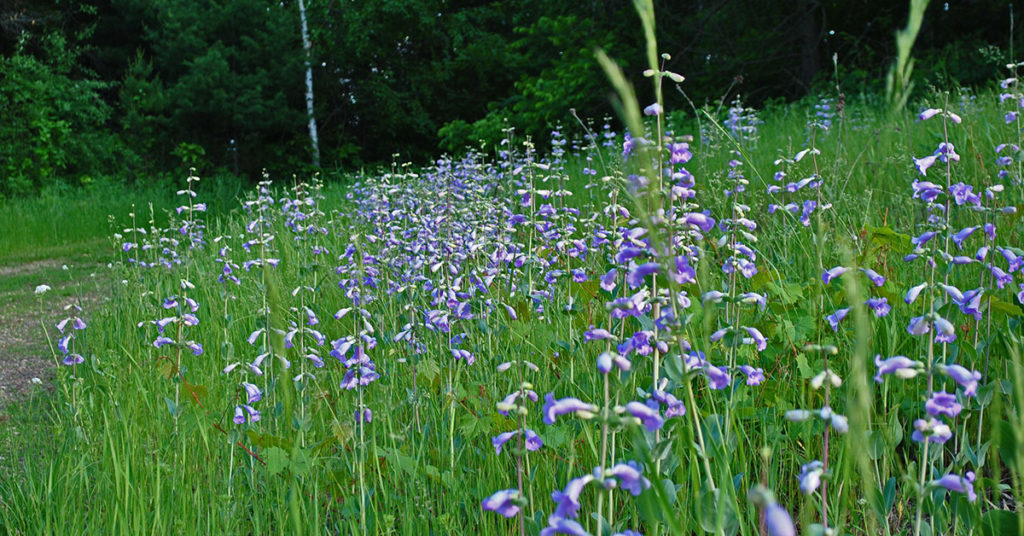
Penstemon plants, also called Beardtongue are herbaceous perennials with lance-shaped leaves and tubular flower spikes. Pink, white, purple, crimson, and (occasionally) yellow are some of the flower hues. The term Beardtongue relates to the pollen-free stamen that protrudes from the bloom, giving it the appearance of a bearded iris. From seeds put in the spring...
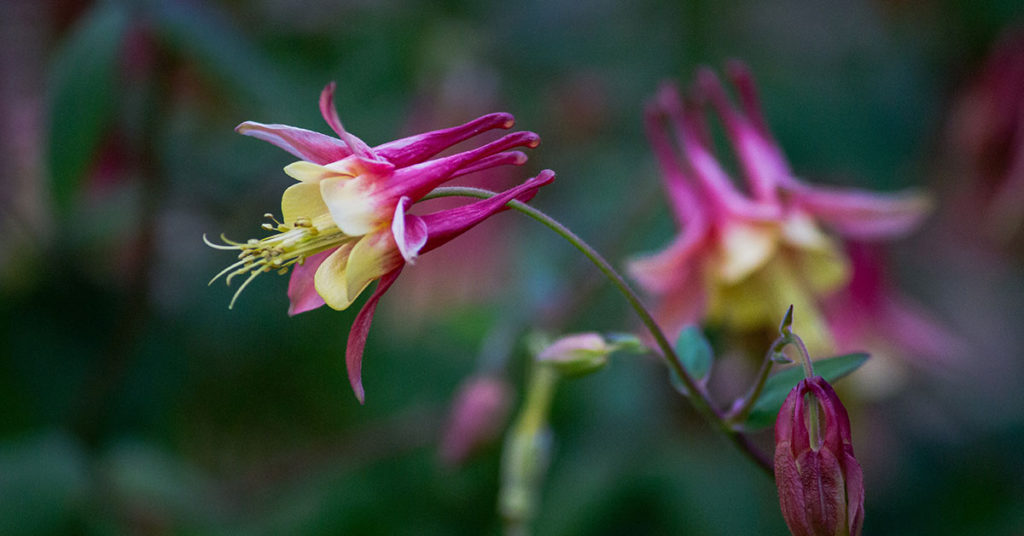
The Columbine plant (Aquilegia) is a low-maintenance perennial that provides seasonal appeal for much of the year. It flowers in a variety of hues in the spring, emerging from its gorgeous dark green leaves, which become crimson in the fall. Hummingbirds love the bell-shaped blossoms, which may also be utilized in cut-flower arrangements. Columbine is...
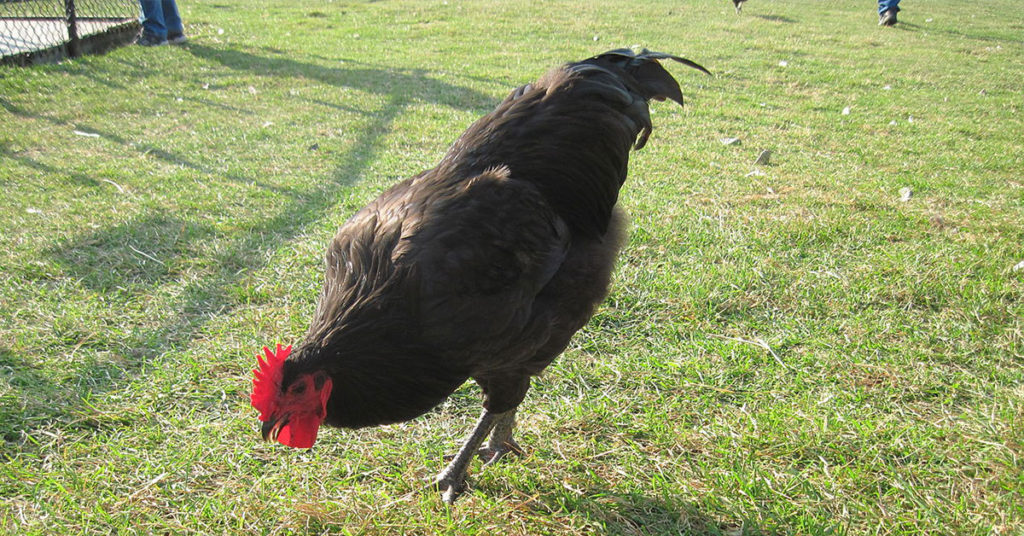
Backyard chicken keeping is an increasingly popular hobby that is experiencing a resurgence. More and more cities are rolling back ordinances that prevent keeping chickens on your property, leading to an uptick in interest. There are hundreds of different types of chickens to choose from – hybrids, heritage breeds, crosses. One of those breeds is...
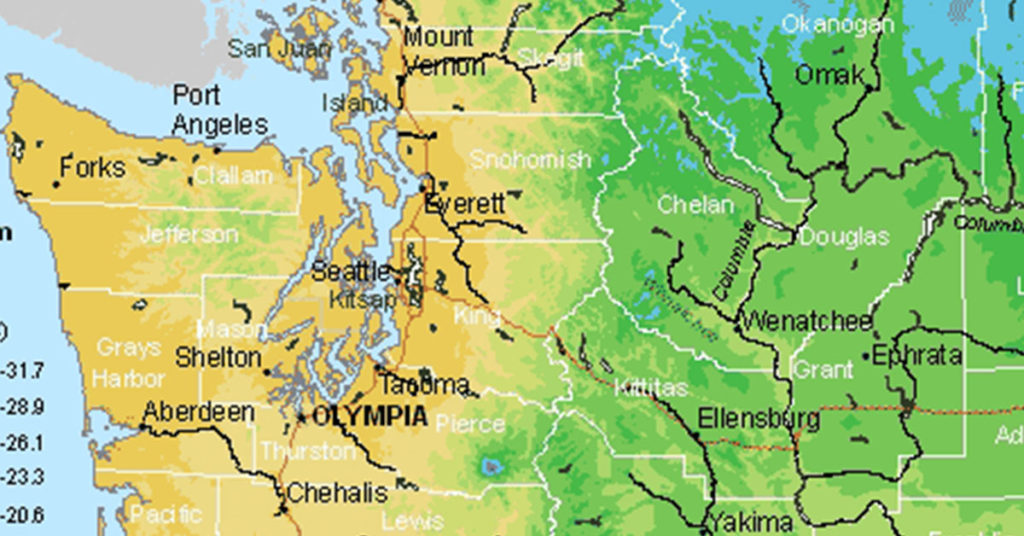
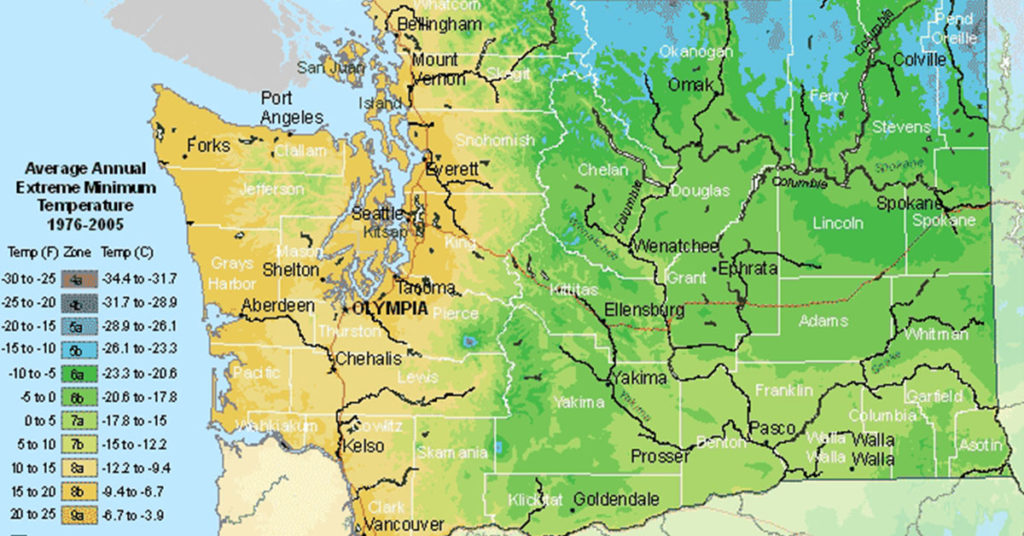
If you want to be a successful gardener, there’s one thing you absolutely must know: your hardiness zone. Having a successful garden in Seattle means knowing when the first and last frost is likely to take place and how cold it gets in the winter. The modern hardiness zone, sometimes called a growing zone, was...
If you want to be a successful gardener, there’s one thing you absolutely must know: your hardiness zone. Having a successful garden in Chicago means knowing when the first and last frost is likely to take place and how cold it gets in the winter. The modern hardiness zone, sometimes called a growing zone, was...
Part of successfully growing a garden is knowing your USDA hardiness planting zone. USDA plant hardiness zones are the standard by which gardeners and growers can determine which plants are most likely to thrive at any given location. Some plants are able to survive outside of their hardiness zone, but can only survive for one...
Part of successfully growing a garden is knowing your USDA hardiness planting zone. USDA plant hardiness zones are the standard by which gardeners and growers can determine which plants are most likely to thrive at any given location. Some plants are able to survive outside of their hardiness zone, but can only survive for one...
Part of successfully growing a garden is knowing your USDA hardiness planting zone. USDA plant hardiness zones are the standard by which gardeners and growers can determine which plants are most likely to thrive at any given location. Some plants are able to survive outside of their hardiness zone, but can only survive for one...
Part of successfully growing a garden is knowing your USDA hardiness planting zone. USDA plant hardiness zones are the standard by which gardeners and growers can determine which plants are most likely to thrive at any given location. Some plants are able to survive outside of their hardiness zone, but can only survive for one...
Part of successfully growing a garden is knowing your USDA hardiness planting zone. USDA plant hardiness zones are the standard by which gardeners and growers can determine which plants are most likely to thrive at any given location. Some plants are able to survive outside of their hardiness zone, but can only survive for one...
Part of successfully growing a garden is knowing your USDA hardiness planting zone. USDA plant hardiness zones are the standard by which gardeners and growers can determine which plants are most likely to thrive at any given location. Some plants are able to survive outside of their hardiness zone, but can only survive for one...
Part of successfully growing a garden is knowing your USDA hardiness planting zone. USDA plant hardiness zones are the standard by which gardeners and growers can determine which plants are most likely to thrive at any given location. Some plants are able to survive outside of their hardiness zone, but can only survive for one...