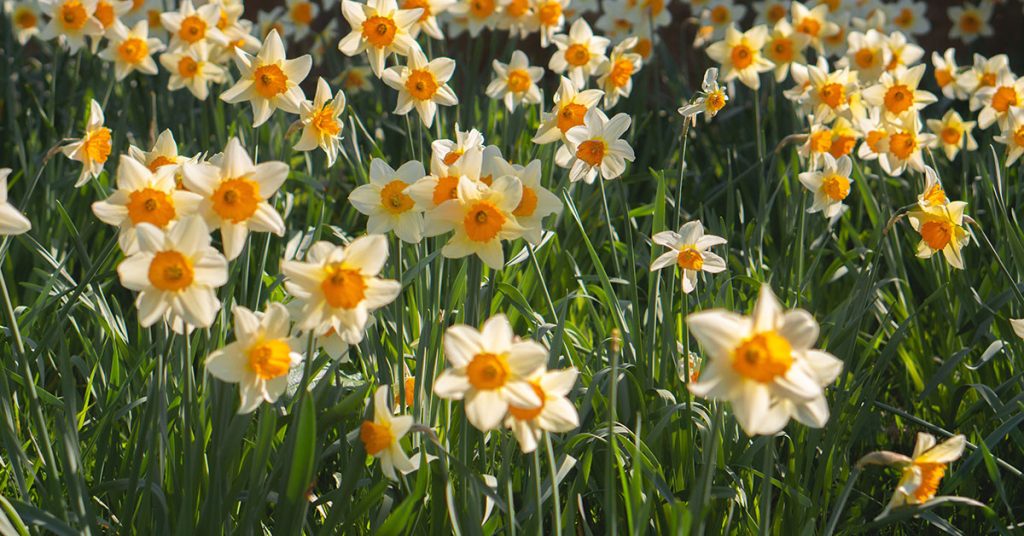
September is one of the most rewarding months for perennial gardeners. The summer blooms may be winding down, but the soil is still warm, and cooler air temperatures mean plants can adjust to changes without the stress of scorching sun. This makes it the perfect time to divide and transplant your perennials! If you’ve ever...
Herb Gardening
If you visit a market, you’ll probably see tons of products labeled as ‘organic.’ Everything from pizzas to burritos to bread. But how does all that organic stuff in the grocery store relate to organic gardening?
Truthfully, it doesn’t really. All that stuff, even if it’s organic, is still processed and a far cry from an organic garden.
Organic gardening is a practice that seeks to work with mother nature instead of against her, cultivating a garden ecosystem that bolsters your plants and reduces pest issues naturally.
Organic gardens are nearly always without any kind of synthetic chemical use, be it pesticides, herbicides, fungicides, or fertilizers. Organic gardeners use natural techniques to reduce common problems that gardens experience.
Organic gardeners often plant a diverse array of fruits, vegetables, and herbs. They also use natural solutions, like lady bugs and praying mantises, for getting rid of unwanted insect pests. The objective of a garden shouldn’t be to go scorched earth and destroy all pests, but to reduce their numbers enough that those beings can continue to survive and so can your garden. It’s the natural way to go about growing your own food.
The benefits of organic gardening speak for themselves. When you set up an organic garden, you do a lot of good for the environment and yourself. The fruits and vegetables you grow are healthier for the earth and for you too. And let’s face it, organic produce just seem to taste better than the conventionally grown stuff you find in the store!
Indoor air can be surprisingly polluted, even in homes that feel fresh and clean. Dust, pet dander, chemicals from cleaning products, and even toxins from furniture can linger in the air, making it less healthy to breathe. Luckily, plants can come to the rescue! Certain houseplants have been scientifically shown to absorb harmful compounds while...
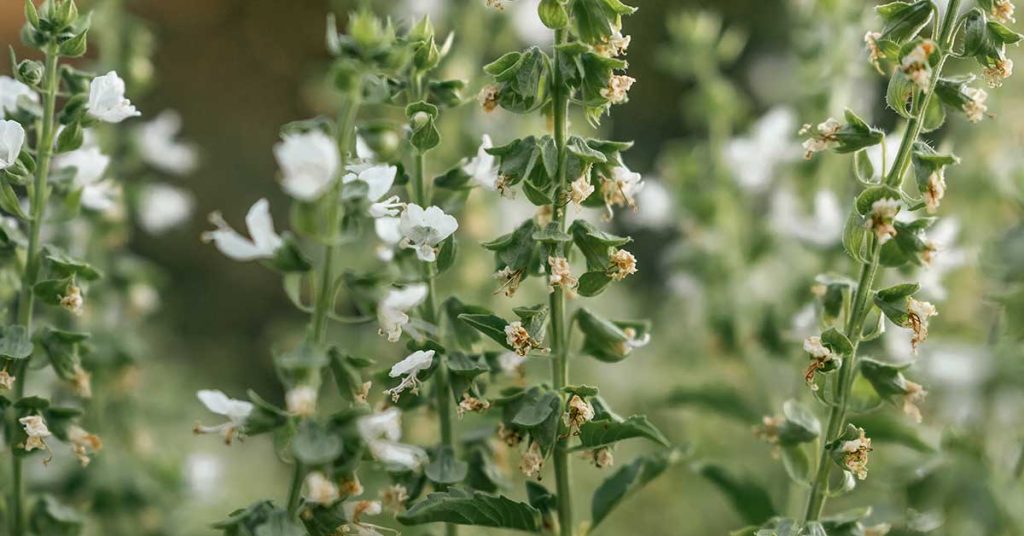
Basil is one of those plants that most of us grow for its fragrant, flavorful leaves, and for good reason—there’s nothing quite like tossing fresh basil into a sauce or a salad. But here’s the thing that often gets overlooked: basil’s flowers are just as valuable as its leaves, and letting your basil bloom can...
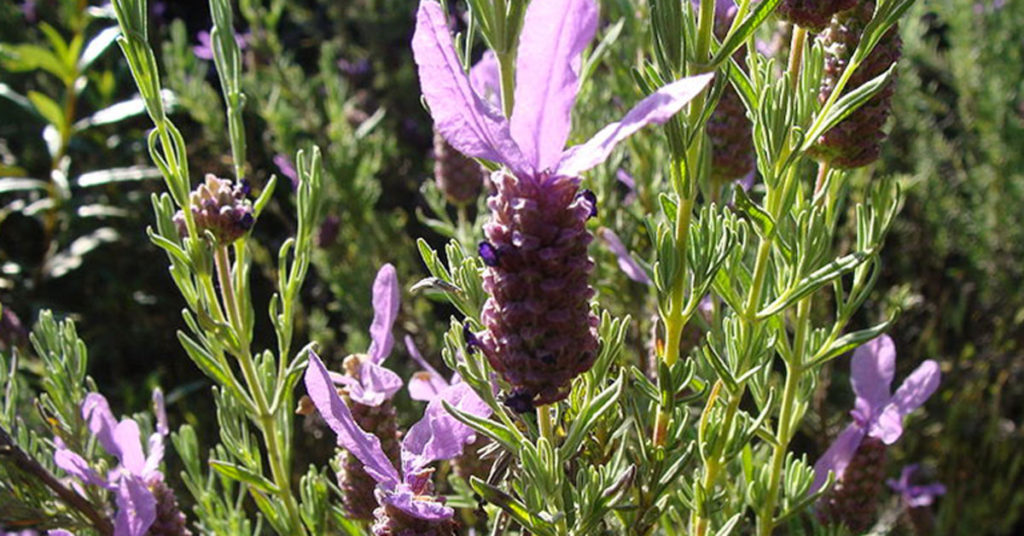
Lavender is one of those plants that seems to carry the very essence of summer in its blooms, yet it needs a little bit of thoughtful care before the cooler days roll in. As someone who has tended lavender for years, I can tell you that what you do in late summer and early fall...
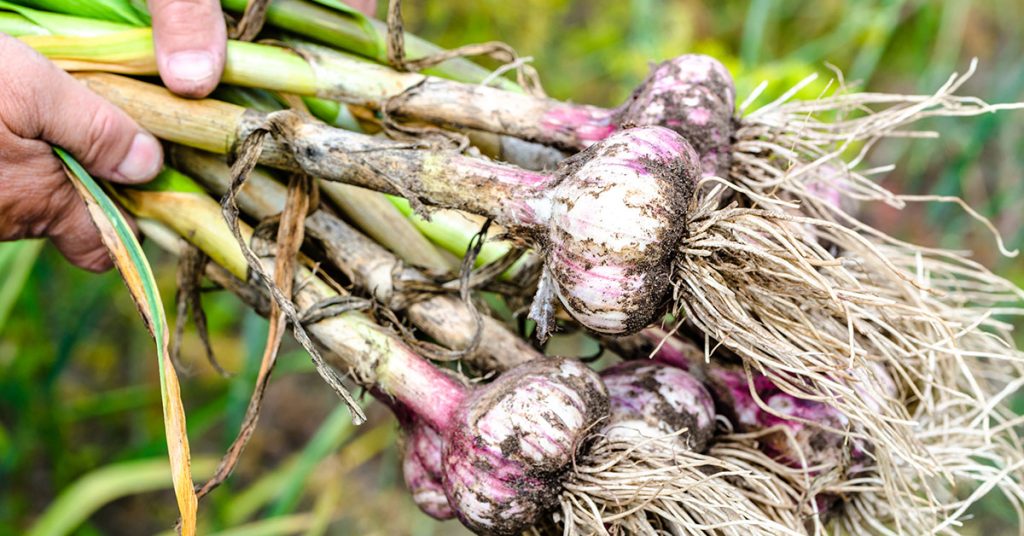
Garlic is one of those crops that rewards patience—you plant it months before you expect to harvest, and the anticipation makes pulling those fat, papery bulbs from the soil even more satisfying. While many gardeners plant garlic in fall for a mid-summer harvest, planting in August can give you a head start in areas with...
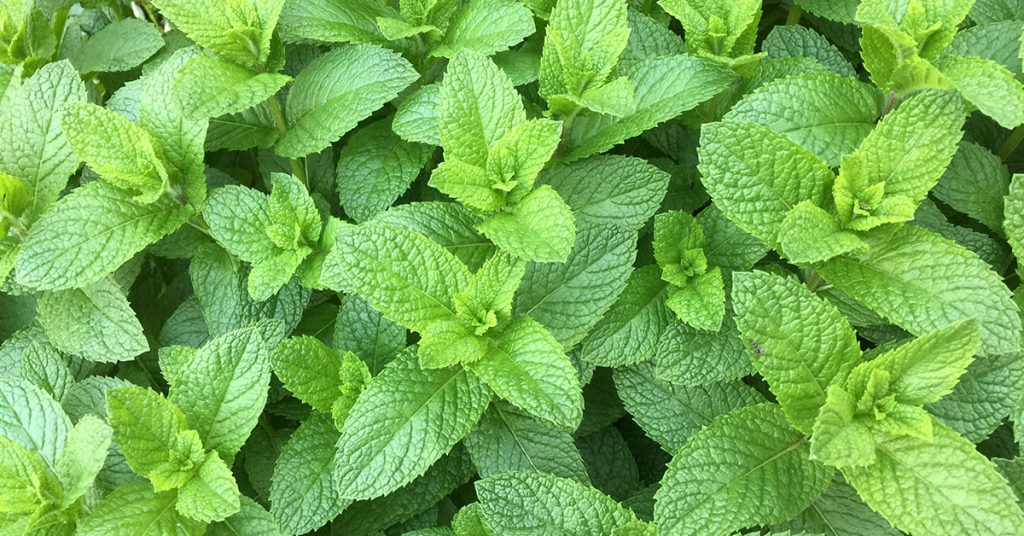
Mint is one of those plants that feels like a gift that keeps on giving—fresh sprigs for tea, aromatic leaves for cooking, and that lush green spread that brightens any garden bed. But as summer begins to wind down, mint needs a little bit of attention to keep it thriving well into fall and ready...
Every gardener has been there—you walk out to check on your plants, and your heart sinks. The leaves are gone, the stems look brittle, and it seems like all that time, care, and watering has been for nothing. But before you head for the compost bin, take a deep breath—what you’re seeing might not be...
August might seem late to be planting, but for many herbs, it’s actually the perfect time to sow or transplant. Warm soil means quick germination, and the shortening days combined with cooler nights create ideal conditions for robust, flavorful growth. Planting now can give you a fresh supply of kitchen herbs to enjoy well into...
When the days get shorter and the air turns crisp, many gardeners assume the growing season is over—especially in areas where rainfall becomes less predictable. But here’s the good news: some plants not only tolerate dry conditions but actually thrive during the cooler months of fall and winter. They’re the tough ones, the survivors that...
Every gardener has been there—tending to a thriving vegetable bed one day, only to find it ravaged by pests the next. It’s frustrating, disheartening, and enough to make you question why you put in all the effort in the first place. That’s why I’m always on the lookout for plants that not only thrive but...
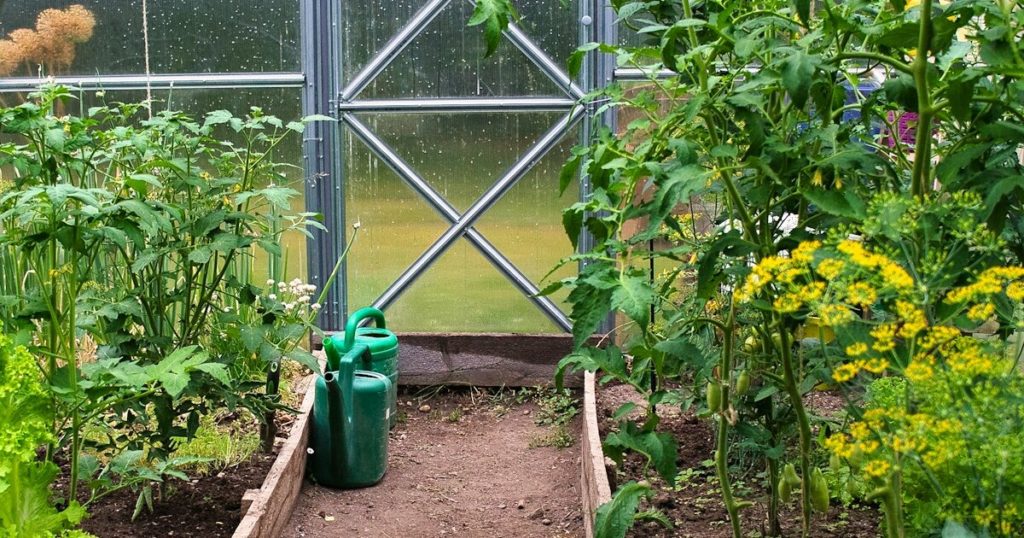
As summer winds down and the cooler air starts to creep in, your greenhouse becomes one of the most important tools in your gardening arsenal. Fall preparation isn’t just about tucking plants away for protection—it’s about creating an environment where they can continue to thrive when the outdoor growing season is slowing to a crawl....
Late summer has a way of sneaking up on us. One minute, your herb garden is bursting with fragrant basil, tender parsley, and vigorous mint, and the next, you’re noticing a few leaves yellowing or the plants looking a bit tired. That’s your cue—it’s time to give your herbs the attention they need before September...