Gardening Tips

Having a garden is a key aspect of a sustainable lifestyle. When you go to the grocery store to buy produce like fruits and vegetables, as well as eggs, each of those items comes with a carbon footprint and other environmental complications. Unfortunately, a lot of industrial-level farming practices aren’t good for the environment and they aren’t sustainable either. Growing your own fruits and vegetables reduces the negative impact that industrial farming has.
We are strong proponents of living a sustainable lifestyle, both by having a garden and by making environmentally friendly choices that put you on a more sustainable path. That includes using less single-use plastic, conserving energy and water, gardening using organic methods, avoiding synthetic chemicals inside and outside of the home, driving less, living off the grid, and other sustainable efforts.

Sustainable living isn’t just good for the planet but it’s good for you too. Often times, living sustainably means simplifying your life – you get more out of life with less. Sustainable living helps avoid unnecessary consumerism, save money, save the earth, and save your sanity all along the way.

Our gardening tips will help guide you to a greener lifestyle that benefits the planet, your pocket, your community, and yourself too. If all of us did just a little bit to be more sustainable, we could have a massive positive impact and change our world.

So let’s explore these gardening tips together and work toward a greener future for our kids and grandkids.

6 min read Flowers And Houseplants

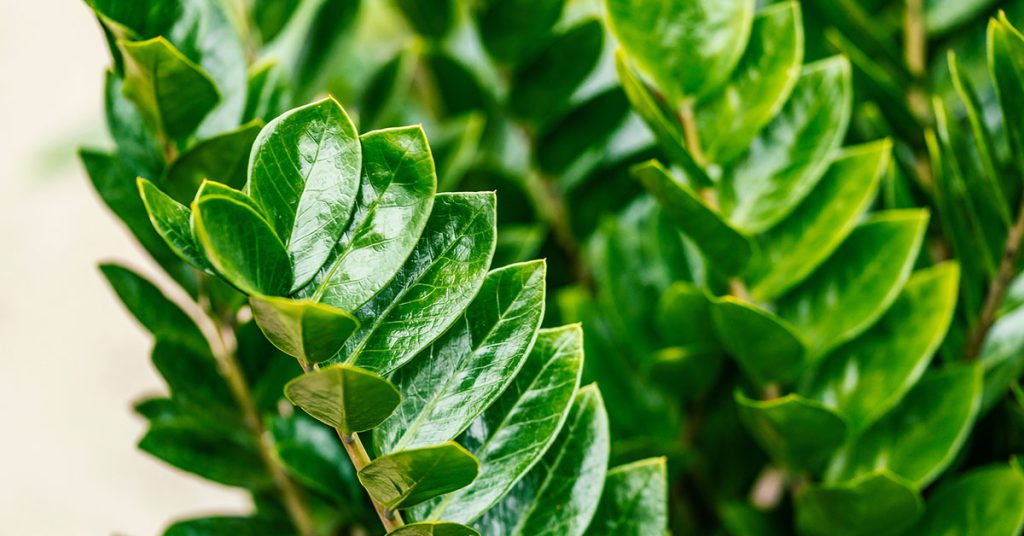
I know how disheartening it can be to spot those glossy, paddle-shaped leaves of your ZZ plant (Zamioculcas zamiifolia) drooping or yellowing when this tough-as-nails houseplant is supposed to be nearly indestructible! Native to the tropical lowlands of Eastern Africa, ZZ plants aren’t considered invasive in home settings—but that hardiness can lull us into thinking...

5 min read Flowers And Houseplants

I know how heartbreaking it is to see those elegant lily blooms drooping when you’ve poured your heart into nurturing them! Lilies (Lilium spp.) are majestic perennials native to regions across the Northern Hemisphere—Asia, Europe, and North America—and although they’re generally not invasive in home gardens, their sensitivity to growing conditions means petals can wilt...

7 min read Fruits And Vegetables

I know how tight space can feel when you’re dreaming of a bountiful harvest—small gardens deserve blockbuster yields, too! With just a few square feet, you can grow a dazzling array of vegetables that pack big flavor and pounds of produce. Whether you’re planting in raised beds, containers, or a tiny plot, these high-yield vegetables...

5 min read Gardening Tips

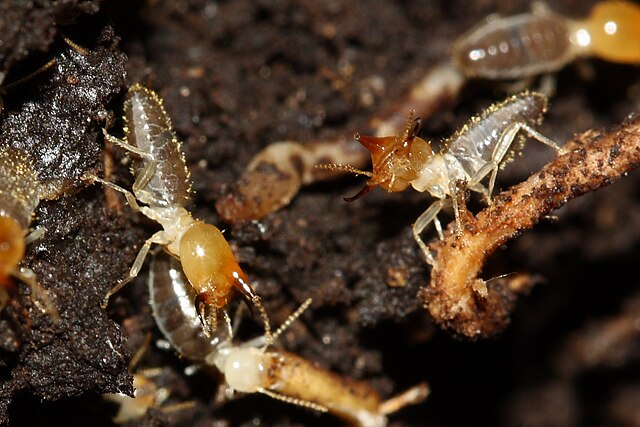
Discovering termites in your garden bed can feel alarming—after all, these wood-eating insects can damage not only fallen branches but sometimes living plant roots or nearby wooden structures! I know how frustrating it is to spot those tiny, pale workers tunneling through soil or mud tubes creeping up your raised beds. Before you panic and...

5 min read Gardening Tips

Watching ants parade through your garden can feel alarming—especially when they march across your tender seedlings. But before you spring into ant-control mode, consider that these tiny engineers often benefit your outdoor paradise more than you realize. Ants are native worldwide and rarely invasive in home gardens, and their underground colonies can boost soil health,...

5 min read Fruits And Vegetables

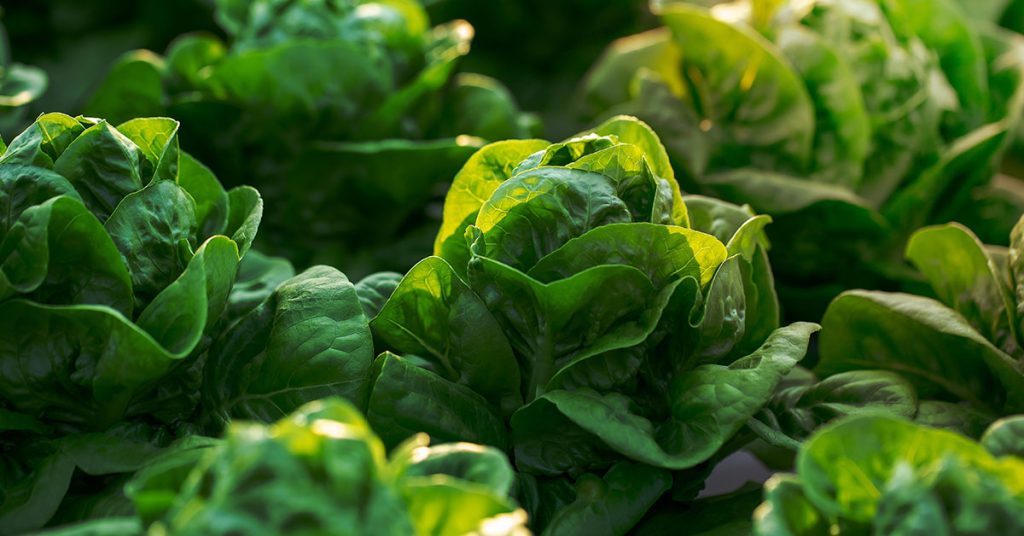
Watching tender lettuce seedlings wither away is one of those gardening heartaches we all dread. I know how frustrating it is to nurture perfect green rosettes only to find them limp or browning overnight—it feels like a betrayal after all that careful sowing! Lettuce ( Lactuca sativa ), native to the Mediterranean and not invasive...

7 min read Flowers And Houseplants

There’s something profoundly uplifting about seeing blooms unfurl in your garden, as if each petal carries a whisper of liberation on the breeze. Flowers have long been woven into human stories, representing aspirations of self-determination, the breaking of chains, and the courage to stand tall against adversity. Choosing blooms that embody freedom and independence doesn’t...