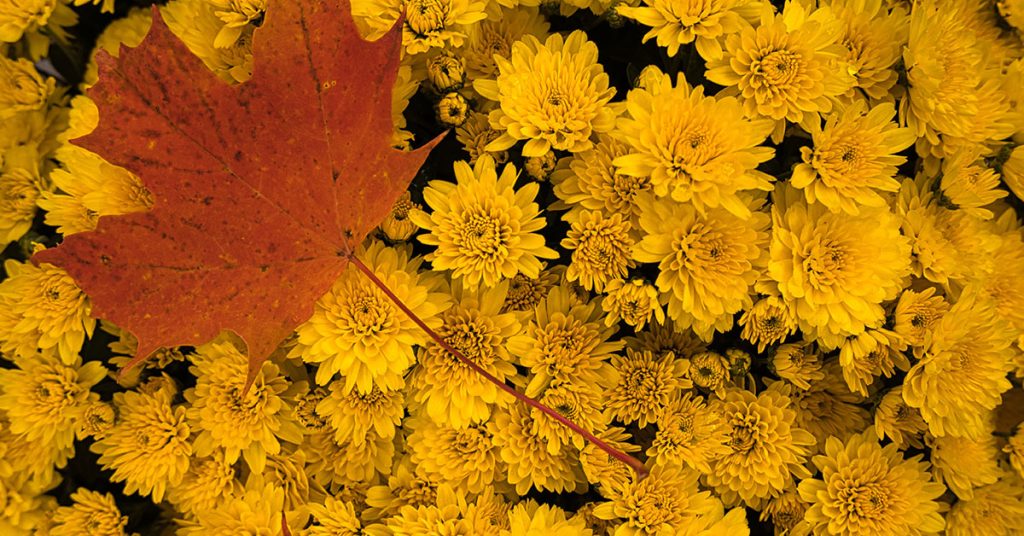
As the vibrant colors of autumn begin to fade and the air turns crisp, gardeners and nature enthusiasts alike start to pay closer attention to the subtle signs that nature provides. Folklore, passed down through generations, offers a fascinating glimpse into how our ancestors interpreted these signs to predict the harshness of the coming winter....
Gardening Tips
Having a garden is a key aspect of a sustainable lifestyle. When you go to the grocery store to buy produce like fruits and vegetables, as well as eggs, each of those items comes with a carbon footprint and other environmental complications. Unfortunately, a lot of industrial-level farming practices aren’t good for the environment and they aren’t sustainable either. Growing your own fruits and vegetables reduces the negative impact that industrial farming has.
We are strong proponents of living a sustainable lifestyle, both by having a garden and by making environmentally friendly choices that put you on a more sustainable path. That includes using less single-use plastic, conserving energy and water, gardening using organic methods, avoiding synthetic chemicals inside and outside of the home, driving less, living off the grid, and other sustainable efforts.
Sustainable living isn’t just good for the planet but it’s good for you too. Often times, living sustainably means simplifying your life – you get more out of life with less. Sustainable living helps avoid unnecessary consumerism, save money, save the earth, and save your sanity all along the way.
Our gardening tips will help guide you to a greener lifestyle that benefits the planet, your pocket, your community, and yourself too. If all of us did just a little bit to be more sustainable, we could have a massive positive impact and change our world.
So let’s explore these gardening tips together and work toward a greener future for our kids and grandkids.
More gardeners are turning to vegan fertilizers as they look for sustainable, eco-friendly ways to nourish their plants without relying on animal-based products. Traditional fertilizers often include ingredients like bone meal, blood meal, or manure, but there are plenty of plant-based alternatives that deliver the nutrients your garden needs to thrive. By using vegan fertilizers,...
Few things are more disappointing for a gardener than waiting all year for your perennials to burst into color, only to find bare stems or sparse blooms instead. While these plants are designed to return year after year, a variety of environmental, cultural, and maintenance factors can interfere with their flowering cycle. The good news...
Eggshells get a lot of hype in gardening circles, and for good reason. They are a natural source of calcium, biodegradable, and an easy way to repurpose kitchen waste. But here is the truth many gardeners learn the hard way: simply tossing eggshells into the garden is not the miracle fix people claim. Without proper...
Native plants are having a well-deserved moment in the gardening world, and for good reason. They are beautiful, low-maintenance, and incredibly beneficial for pollinators and wildlife. Unlike many exotic species, native plants are perfectly adapted to the soil, climate, and weather conditions of your region, which means they require less water, fewer fertilizers, and virtually...
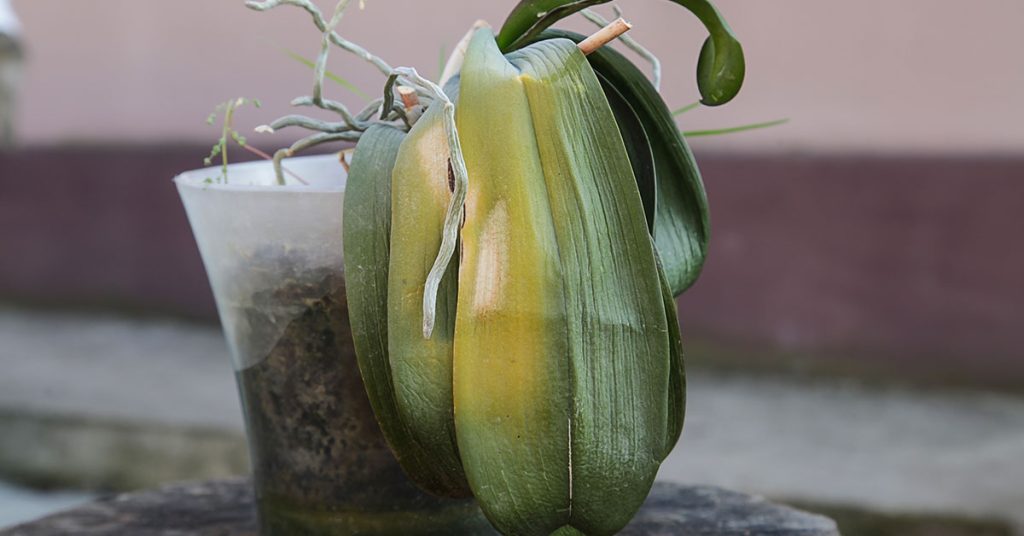
Houseplants bring so much life and beauty to our homes, but keeping them healthy can be trickier than many gardeners expect. Even experienced plant lovers sometimes make simple mistakes that lead to yellowing leaves, stunted growth, or worse. The good news is that most houseplant problems are completely fixable once you know what to look...
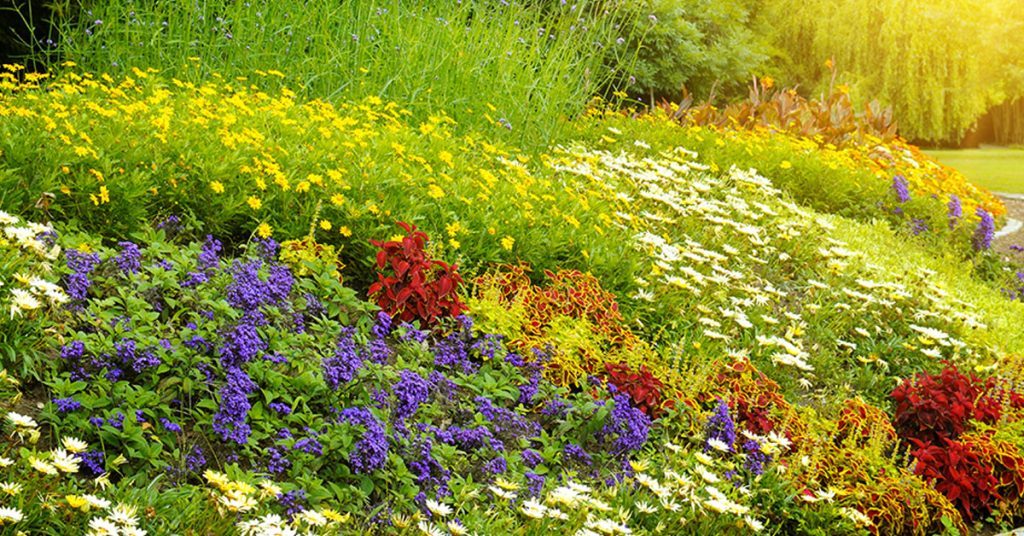
Just because summer is winding down does not mean your garden has to lose its brilliance. As the days grow shorter and temperatures begin to cool, certain plants thrive in these conditions and continue blooming well into October. Choosing the right late-season flowers is the secret to keeping your garden lively and colorful when many...
September is a tricky month for lawn care. The intense heat of summer begins to ease, nights grow cooler, and many grasses start a burst of fresh growth. This leads many gardeners to wonder if they should keep mowing or give their lawns a break. The short answer is yes, mowing is still important, but...
Late summer can fool you into thinking the garden season is slowing down, but there is still plenty of beauty left to coax from your plants. Deadheading, or removing spent blooms, is one of the simplest ways to encourage another round of flowers before fall truly sets in. By trimming away fading blooms, you’re redirecting...
When it comes to increasing your home’s value, most people think of remodeling kitchens or adding square footage. But one of the most cost-effective upgrades you can make is in your landscaping. A well-planned garden can add curb appeal, make a property feel more inviting, and even raise a home’s selling price by $5,000 or...
As autumn settles in, it brings with it a desire to cozy up our homes and gardens with richer tones, deeper textures, and long-lasting beauty. While summer may steal the spotlight with vibrant color, fall offers its own floral treasures. These blooms are bold, sculptural, and seasonally striking. Martha Stewart, long revered for her gardening...
September is one of the most rewarding months for perennial gardeners. The summer blooms may be winding down, but the soil is still warm, and cooler air temperatures mean plants can adjust to changes without the stress of scorching sun. This makes it the perfect time to divide and transplant your perennials! If you’ve ever...