The internet is overflowing with garden hacks promising to save time, boost growth, and solve every problem in your yard. While some tips are helpful, others can backfire badly, damaging your soil, harming your plants, or even attracting pests. It can be tempting to try quick fixes that sound too good to be true, but...
Gardening Tips
Having a garden is a key aspect of a sustainable lifestyle. When you go to the grocery store to buy produce like fruits and vegetables, as well as eggs, each of those items comes with a carbon footprint and other environmental complications. Unfortunately, a lot of industrial-level farming practices aren’t good for the environment and they aren’t sustainable either. Growing your own fruits and vegetables reduces the negative impact that industrial farming has.
We are strong proponents of living a sustainable lifestyle, both by having a garden and by making environmentally friendly choices that put you on a more sustainable path. That includes using less single-use plastic, conserving energy and water, gardening using organic methods, avoiding synthetic chemicals inside and outside of the home, driving less, living off the grid, and other sustainable efforts.
Sustainable living isn’t just good for the planet but it’s good for you too. Often times, living sustainably means simplifying your life – you get more out of life with less. Sustainable living helps avoid unnecessary consumerism, save money, save the earth, and save your sanity all along the way.
Our gardening tips will help guide you to a greener lifestyle that benefits the planet, your pocket, your community, and yourself too. If all of us did just a little bit to be more sustainable, we could have a massive positive impact and change our world.
So let’s explore these gardening tips together and work toward a greener future for our kids and grandkids.
Companion planting is a popular gardening practice that involves planting different crops together to improve growth, repel pests, and maximize space. While it offers numerous benefits, there are also many myths and misconceptions surrounding it. Understanding the truth behind these myths can help you make more informed decisions and achieve better results in your garden....
Every fall, gardeners everywhere grab their rakes and leaf blowers to clear their lawns of fallen leaves. It feels tidy, it looks neat, and for many, it has always been the “right” thing to do. But if you care about pollinators like butterflies and bees, raking every leaf away could be doing more harm than...
If you want your Christmas cactus to put on a dazzling display of blooms during the holidays, September is the month to set the stage. These unique plants are known for their vibrant, cascading flowers that brighten up homes in the winter, but they need a little help to bloom on time. Proper care this...
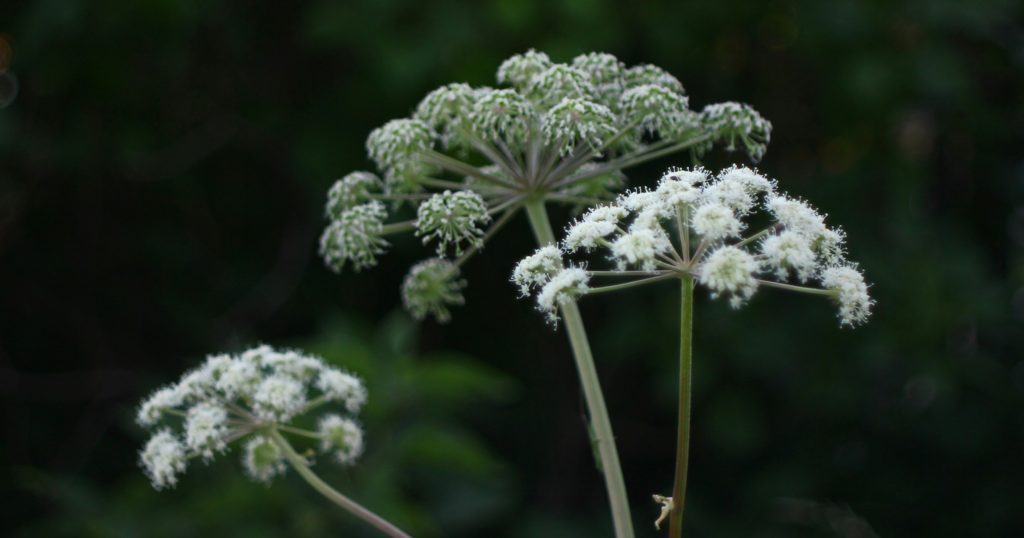
As a gardener, I’m always on the lookout for potential threats to my beloved plants and flowers. One of the most concerning issues you might encounter is the presence of giant hogweed (Heracleum mantegazzianum). This plant is not just a nuisance; it’s extremely dangerous and can cause severe health problems for humans. Knowing how to...
Birdwatching is one of the most delightful activities you can enjoy right from your backyard! Attracting wild birds to your property not only enhances the beauty of your garden but also helps in controlling pests and promoting biodiversity. Creating a bird-friendly environment can be a rewarding and enjoyable project for any gardener. In this article,...
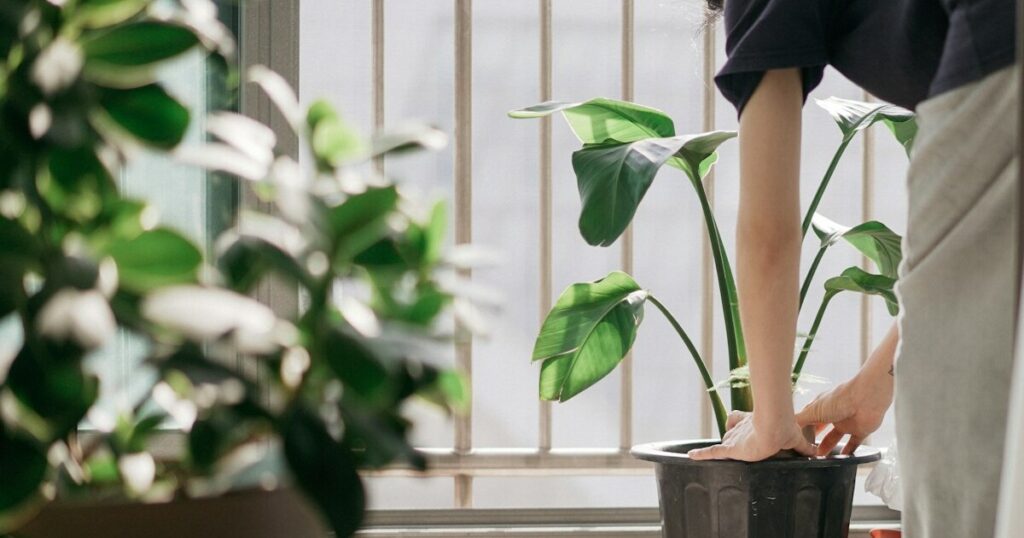
As the days get shorter and temperatures start to dip, many gardeners begin wondering when it is time to bring their outdoor plants inside. The transition from warm summer days to chilly fall nights can be stressful for tender plants, and waiting too long can cause shock, stunted growth, or even death. Bringing plants indoors...
September and October are critical months for preparing your garden for winter, and one of the most important tasks is cutting back certain perennials. While some plants benefit from leaving their foliage intact for winter protection, others need a good trim to encourage healthy regrowth and bigger blooms next year. Cutting back at the right...
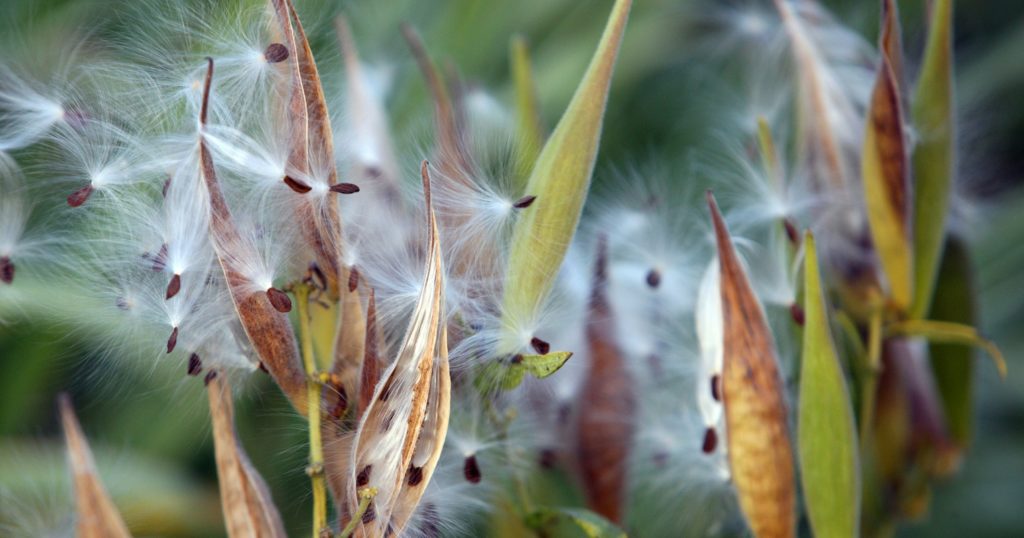
Every fall, we rush to clean up the garden, divide perennials, and tuck things in for winter. But this year, I want to challenge you to do something different. Something that could literally help save a species. Plant milkweed. Not just because it’s a beautiful native wildflower, but because it plays a vital, irreplaceable role...
September is one of the best times of the year to divide perennials. By this point in the season, many plants have finished flowering and are entering a natural resting phase, which makes the stress of division much easier on them. Dividing in the fall gives plants time to establish new roots before winter sets...
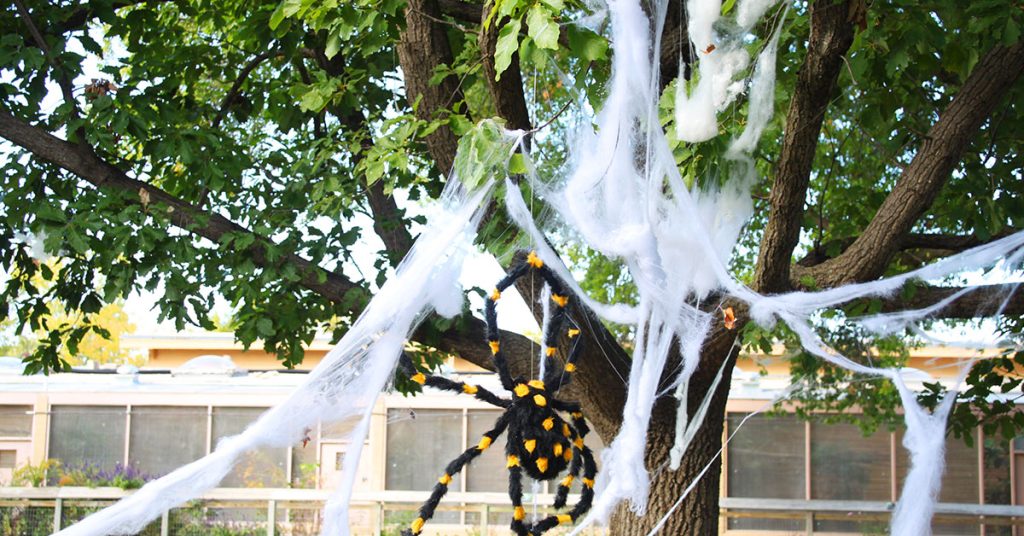
As a passionate gardener, I’m always on the lookout for ways to enhance the beauty of my garden while keeping it safe for all its inhabitants. Halloween decorations like fake spider webs might seem like a fun and easy way to add a spooky touch, but there’s a hidden danger that many overlook. These synthetic...
September marks the turning point between summer’s vibrant growth and the quiet dormancy of winter. While your garden may still be buzzing with activity, this is the time to prepare for the colder months ahead. A little work now will protect your plants, improve your soil, and set you up for a thriving spring. By...