Gardening Tips

Having a garden is a key aspect of a sustainable lifestyle. When you go to the grocery store to buy produce like fruits and vegetables, as well as eggs, each of those items comes with a carbon footprint and other environmental complications. Unfortunately, a lot of industrial-level farming practices aren’t good for the environment and they aren’t sustainable either. Growing your own fruits and vegetables reduces the negative impact that industrial farming has.
We are strong proponents of living a sustainable lifestyle, both by having a garden and by making environmentally friendly choices that put you on a more sustainable path. That includes using less single-use plastic, conserving energy and water, gardening using organic methods, avoiding synthetic chemicals inside and outside of the home, driving less, living off the grid, and other sustainable efforts.

Sustainable living isn’t just good for the planet but it’s good for you too. Often times, living sustainably means simplifying your life – you get more out of life with less. Sustainable living helps avoid unnecessary consumerism, save money, save the earth, and save your sanity all along the way.

Our gardening tips will help guide you to a greener lifestyle that benefits the planet, your pocket, your community, and yourself too. If all of us did just a little bit to be more sustainable, we could have a massive positive impact and change our world.

So let’s explore these gardening tips together and work toward a greener future for our kids and grandkids.


8 min read Flowers And Houseplants

Summer solstice marks the longest day of the year—a time when gardens truly burst into life under abundant sunlight. Choosing the right flowers ensures your outdoor space glows with color, attracts buzzing pollinators, and offers delightful blooms just when you want them most. I know how exciting it is to plan for that peak-of-summer celebration,...

6 min read Gardening Tips

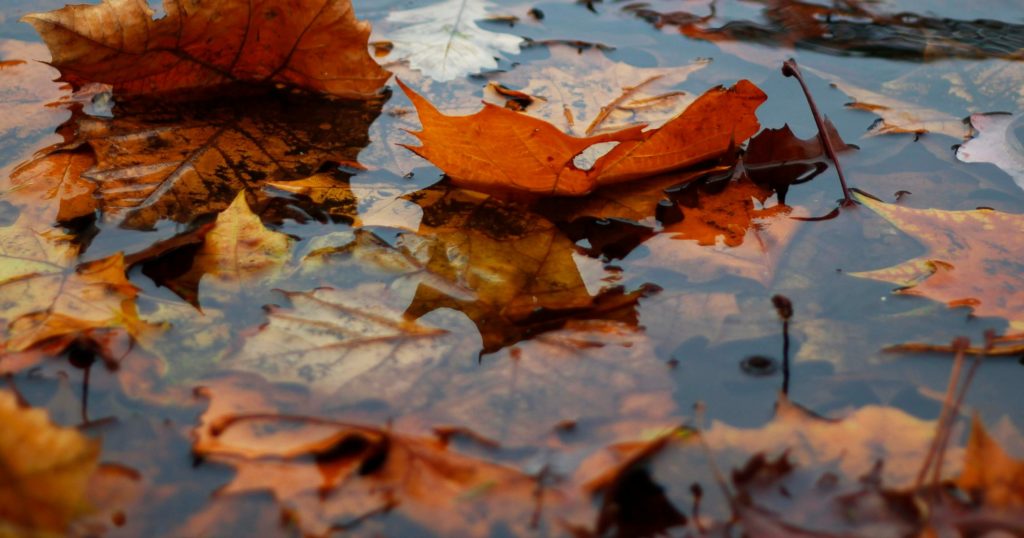
Waterlogged soil can turn your dream oasis into a swampy eyesore, leaving roots suffocating and plants wilting despite the abundance of moisture. I know how disheartening it is to see puddles lingering for days, rotting seedlings and inviting root rot. But fear not—over the years I’ve discovered practical ways to reclaim soggy beds and restore...

5 min read Gardening Tips

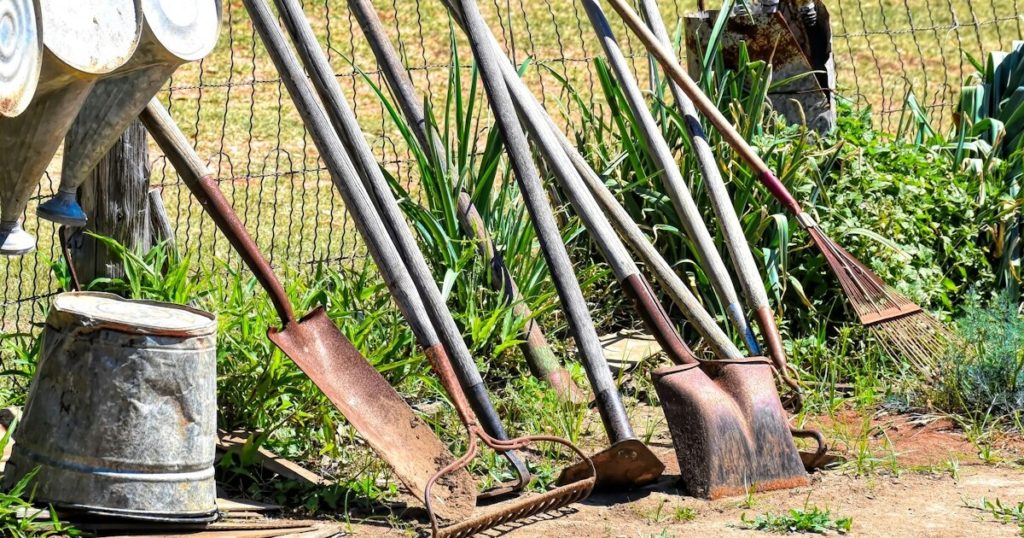
It’s such a bummer when you’re ready to dig in the dirt, only to have your trusty trowel crumble in your hand! Rust might seem like a harmless cosmetic issue, but those flaky, reddish-brown patches can wreak havoc on both your tools and your garden. Over time, rust weakens metal, harbors pathogens, and even interferes...

6 min read Gardening Tips

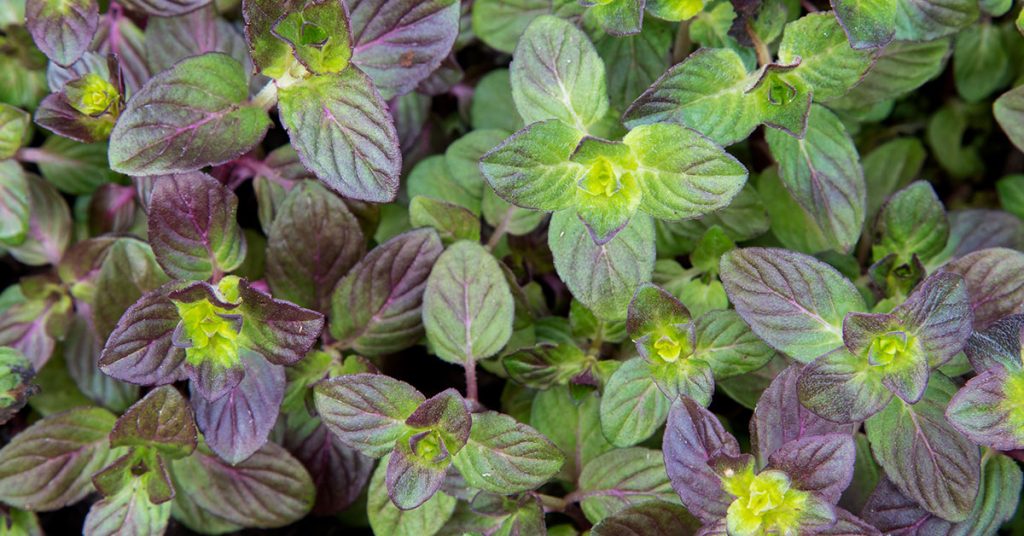
Thyme and mint couldn’t be more different—thyme hails from the arid hills of the Mediterranean, thriving in sunny, well-drained soils, while mint traces its roots to wet meadows of Europe and Asia, spreading vigorously via underground runners. Yet, when you strike the right balance, these two aromatic herbs can complement each other beautifully, both in...

4 min read Gardening Tips

Composting yard waste transforms those endless piles of leaves, grass clippings, and pruning scraps into black gold for your garden. Instead of sending branches and foliage to the landfill—where they contribute to methane emissions—you’re turning organic debris into a nutrient-rich amendment that feeds both soil and soul. I know how overwhelming yard clean-up can feel,...

6 min read Gardening Tips

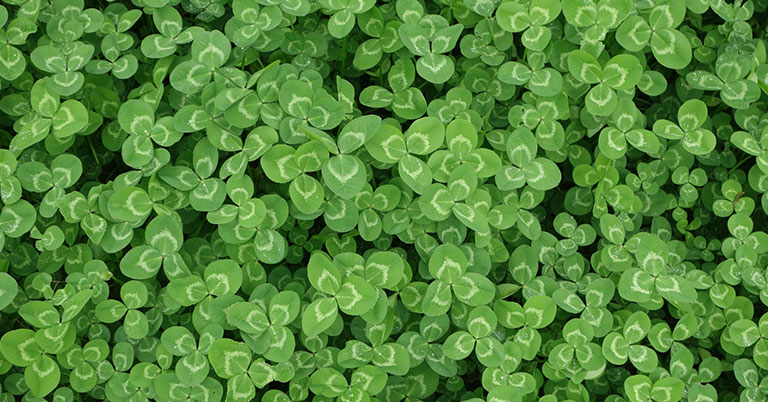
Clover has long been one of my go-to “secret weapons” in the garden, and I can’t wait to share why! Native to Europe and parts of Asia, white clover (Trifolium repens) and red clover (Trifolium pratense) have naturalized almost everywhere, sometimes even edging toward invasiveness if left unchecked. But when managed thoughtfully, these little legumes...

12 min read Gardening Tips

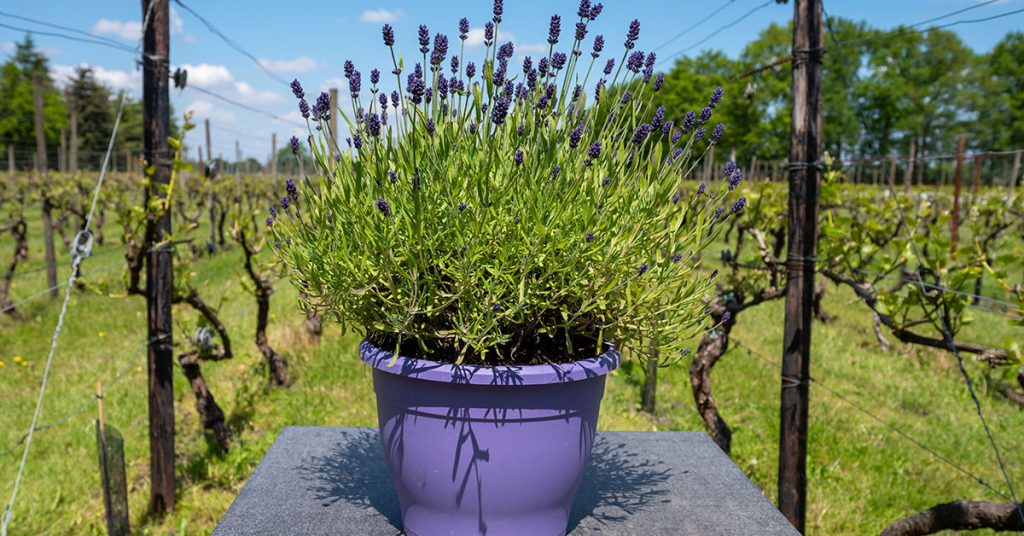
One of my favorite parts of gardening is getting to know each plant’s needs intimately—particularly how much water they crave! From the drought-tolerant lavender (Lavandula angustifolia, native to the Mediterranean) to moisture-loving hostas (Hosta spp., native to northeast Asia), every species is adapted to a specific range of soil moisture. But I know how frustrating...

13 min read Fruits And Vegetables

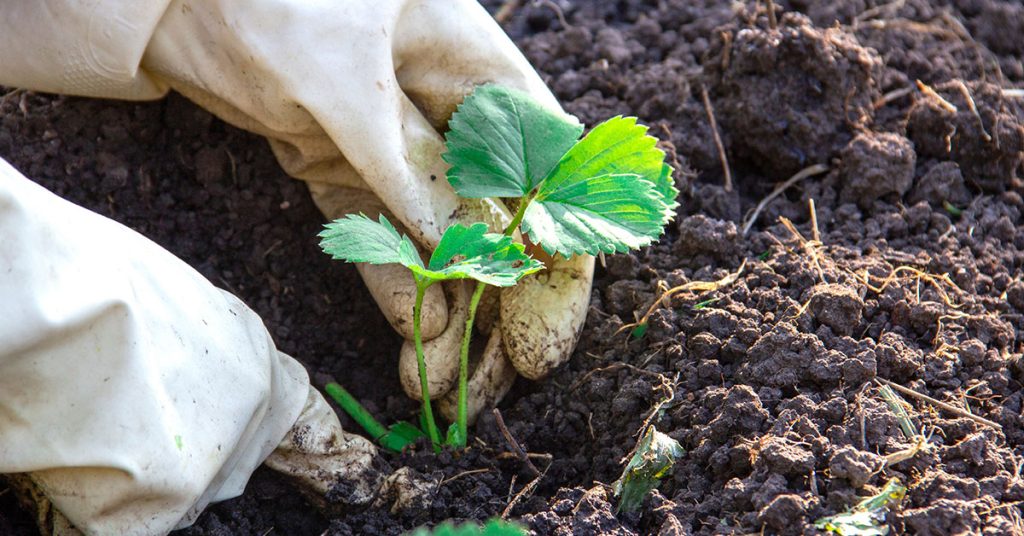
One of my favorite aspects of growing strawberries (Fragaria × ananassa) is discovering companion plants that support their growth, protect them from pests, and enhance overall garden biodiversity! Strawberries are native to temperate regions in Europe and North America, forming low, mat-like foliage and sending out runners that sprawl across the soil. However, they can...