Gardening Tips

Having a garden is a key aspect of a sustainable lifestyle. When you go to the grocery store to buy produce like fruits and vegetables, as well as eggs, each of those items comes with a carbon footprint and other environmental complications. Unfortunately, a lot of industrial-level farming practices aren’t good for the environment and they aren’t sustainable either. Growing your own fruits and vegetables reduces the negative impact that industrial farming has.
We are strong proponents of living a sustainable lifestyle, both by having a garden and by making environmentally friendly choices that put you on a more sustainable path. That includes using less single-use plastic, conserving energy and water, gardening using organic methods, avoiding synthetic chemicals inside and outside of the home, driving less, living off the grid, and other sustainable efforts.

Sustainable living isn’t just good for the planet but it’s good for you too. Often times, living sustainably means simplifying your life – you get more out of life with less. Sustainable living helps avoid unnecessary consumerism, save money, save the earth, and save your sanity all along the way.

Our gardening tips will help guide you to a greener lifestyle that benefits the planet, your pocket, your community, and yourself too. If all of us did just a little bit to be more sustainable, we could have a massive positive impact and change our world.

So let’s explore these gardening tips together and work toward a greener future for our kids and grandkids.
3 min read Gardening Tips

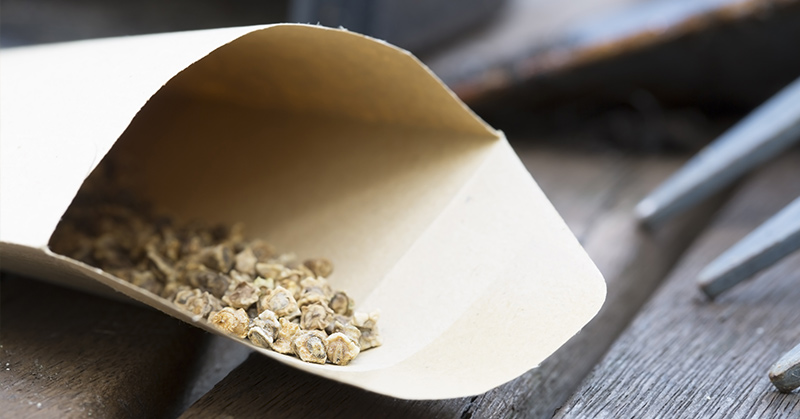
If you’re new to gardening and growing your own food, you may find yourself looking at seed packets and plants and being confronted with terms that you’re not very familiar with. Organic, hybrid, heirloom – what do they all mean? One common term in gardening used to describe a type of seed or plant is...

49 min read Gardening Tips

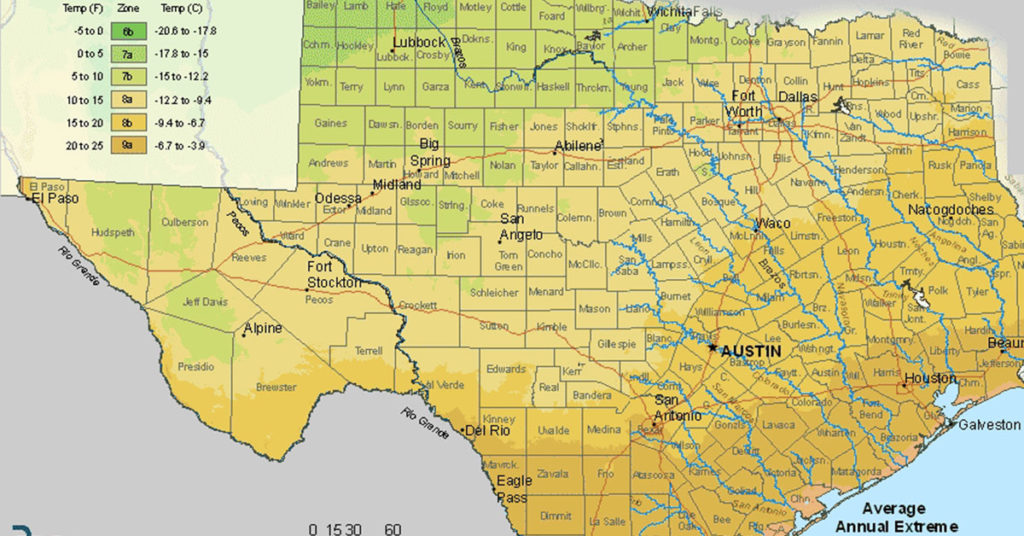
Part of successfully growing a garden is knowing your USDA hardiness zone. USDA plant hardiness zones are the standard by which gardeners and growers can determine which plants are most likely to thrive at any given location. Some plants are able to survive outside of their hardiness zone, but can only survive for one growing...

43 min read Gardening Tips

Part of successfully growing a garden is knowing your USDA hardiness zone. USDA plant hardiness zones are the standard by which gardeners and growers can determine which plants are most likely to thrive at any given location. Some plants are able to survive outside of their hardiness zone, but can only survive for one growing...

3 min read Gardening Tips

Have you ever heard of worm castings? They’re solid gold for gardeners and farmers alike. Gardeners love to sea worms in their soil because it means they get free worm castings! How can you beat a deal like that? That’s not where the fun ends, though. Did you know you can make worm casting tea?...

3 min read Gardening Tips

Ask a gardener or a farmer what they think of worms and you’ll probably get a lot of positive feedback. Why? Because what comes out the backside of a woman is gardening gold! I’m talking, of course, about worm castings. “Castings” are the term applied to the manure that comes from a worm. It’s packed...

4 min read Gardening Tips

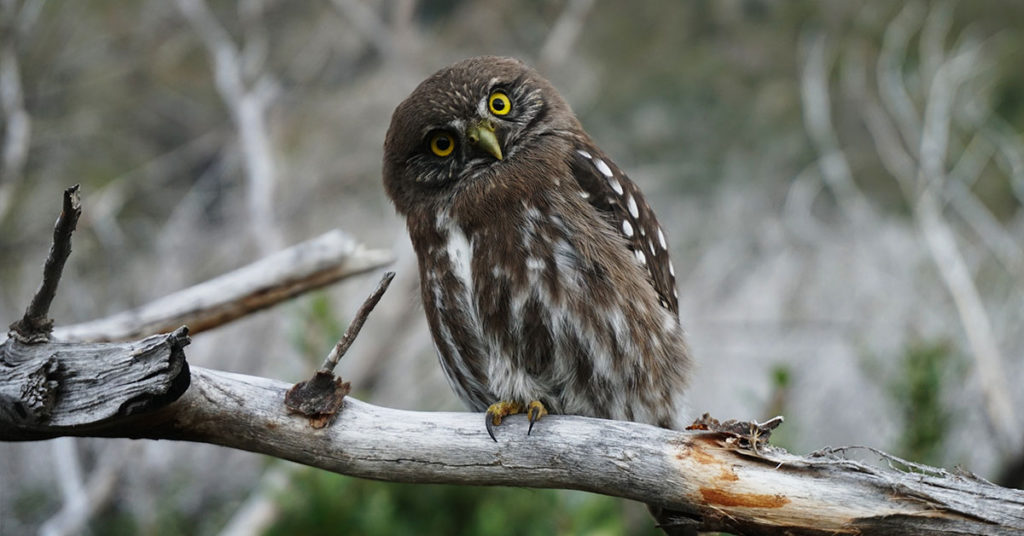
Owls are seemingly mysterious, nocturnal birds whose various, hoots, screeches, and calls at night can spark the imagination. There are more than 200 species of owl around the world, 39 of which reside in North America. They aren’t easily spotted birds, especially in our yards and gardens. They’re nocturnal, meaning they tend to be more...

3 min read Gardening Tips

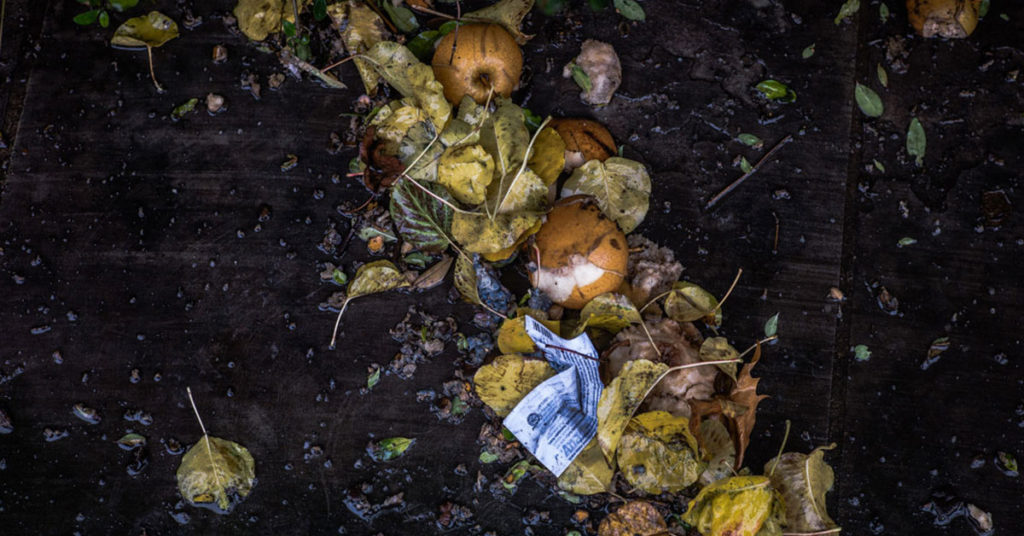
Making compost is like magic. You throw together organic material, wait a while, and boom, rich, dark soil for your garden. Okay, that’s a little misleading. There’s a bit more that goes into successfully composting your kitchen scraps and lawn clippings into fertile soil. One of the things you’ll want to do to your compost...

4 min read Gardening Tips

Fruit flies are one of the most common pests that you can find inside or outside of your garden. They’re small nuisances that form large swarms if your garden has too much scattered compost. Their name holds true as to what they are attracted to the most. If you’ve noticed a random swarm or even...

3 min read Gardening Tips

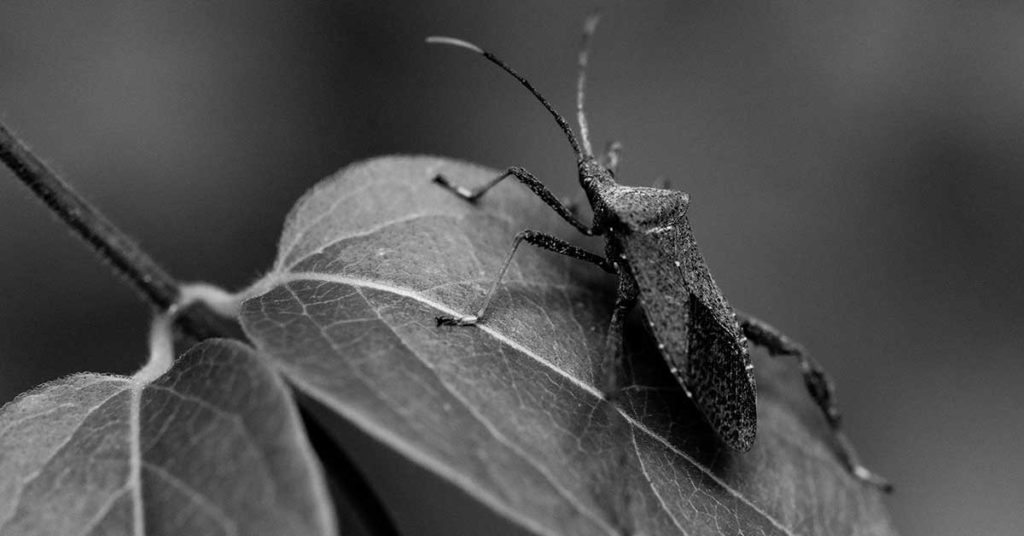
Dealing with stink bugs in the garden or inside of your house can be a process. Depending on how big the stink bug infestation is, you might have to do a lot or very little to get rid of them. Their name holds true to their nature. Stink bugs release a disgusting odor as a...

4 min read Gardening Tips

All gardeners are well aware of gnats swarming their garden and sometimes even your houseplants. These insects love to invade areas where there is a lot of water and humidity. Depending on how many overwatered plants you have, there’s a good chance that you’ll attract gnats to your home. However, there are some methods you...

3 min read Gardening Tips

Maintaining a garden means dealing with a lot of different kinds of unwanted pests. Most gardeners are keenly aware of two slimy pests in particular known as slugs and snails. You’ll most likely see a snail or a slug in your garden after it’s rained or you just got done watering your plants. If you...