Gardening Tips

Having a garden is a key aspect of a sustainable lifestyle. When you go to the grocery store to buy produce like fruits and vegetables, as well as eggs, each of those items comes with a carbon footprint and other environmental complications. Unfortunately, a lot of industrial-level farming practices aren’t good for the environment and they aren’t sustainable either. Growing your own fruits and vegetables reduces the negative impact that industrial farming has.
We are strong proponents of living a sustainable lifestyle, both by having a garden and by making environmentally friendly choices that put you on a more sustainable path. That includes using less single-use plastic, conserving energy and water, gardening using organic methods, avoiding synthetic chemicals inside and outside of the home, driving less, living off the grid, and other sustainable efforts.

Sustainable living isn’t just good for the planet but it’s good for you too. Often times, living sustainably means simplifying your life – you get more out of life with less. Sustainable living helps avoid unnecessary consumerism, save money, save the earth, and save your sanity all along the way.

Our gardening tips will help guide you to a greener lifestyle that benefits the planet, your pocket, your community, and yourself too. If all of us did just a little bit to be more sustainable, we could have a massive positive impact and change our world.

So let’s explore these gardening tips together and work toward a greener future for our kids and grandkids.

3 min read Gardening Tips

Plumeria is a tropical flowering plant that is native to Central and South America. It is an evergreen shrub that produces clusters of fragrant, waxy-looking flowers in shades of white, pink, yellow, and red. The flowers attract hummingbirds and butterflies and are popularly used in floral arrangements. Plumeria is easy to grow and requires minimal...

3 min read Gardening Tips

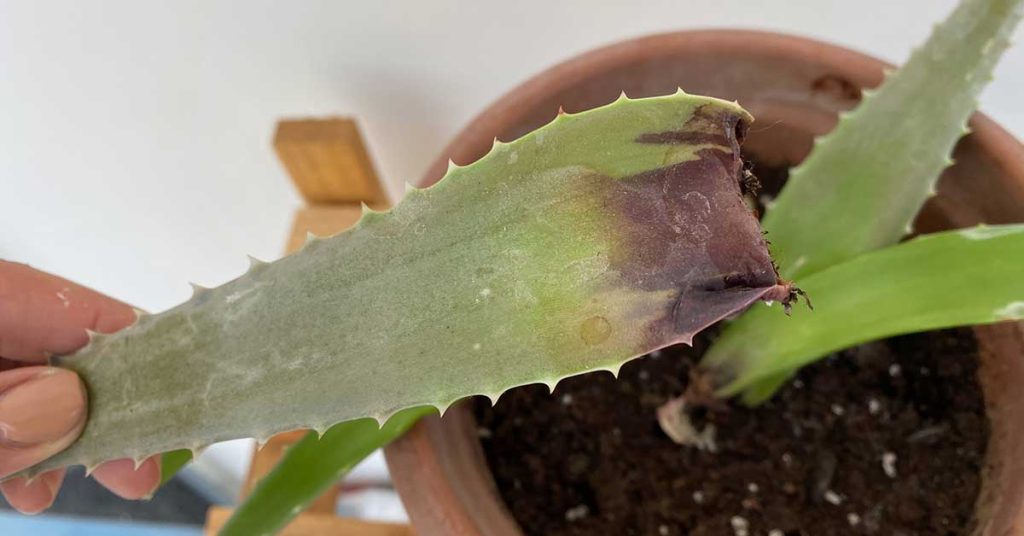
Having an aloe vera plant in your home is a great way to bring a bit of nature indoors and add some greenery to your living space. Aloe vera is a low-maintenance plant that doesn’t require intensive care, which makes it a good plant for beginner and novice gardeners alike. It can be quite upsetting...

3 min read Gardening Tips

If you live in USDA hardiness zones 8-10, you’re in luck—growing fig trees is a breeze! These beautiful trees can add a lush, tropical feel to your garden, and they require very little maintenance. Fig trees thrive in full sun, but they can also tolerate some shade. They need well-drained soil, so make sure to...

2 min read Gardening Tips

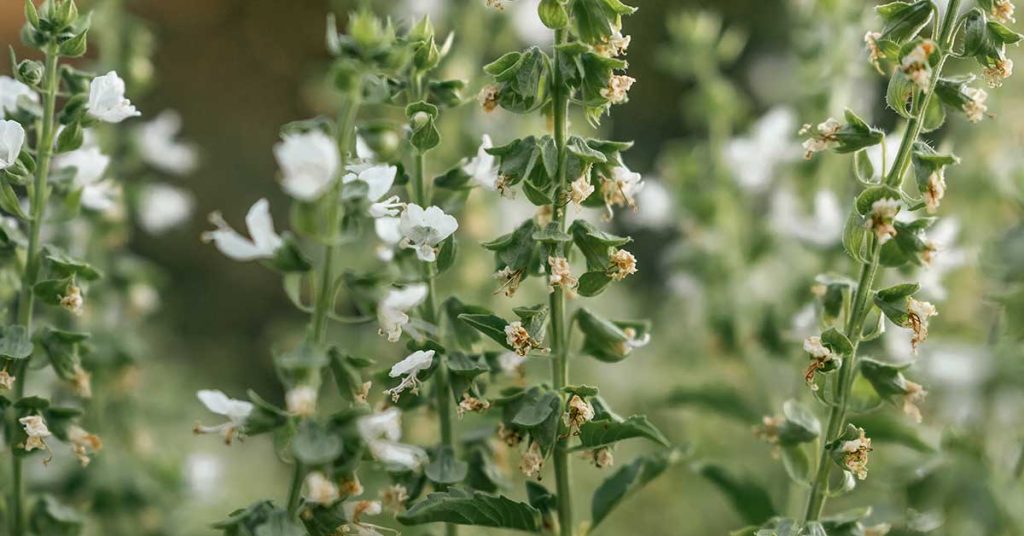
Basil plants are annual herbs that flower in the summer and early fall. They produce small white or purple flowers that are quite fragrant. The flowers attract a variety of pollinators, including honey bees, bumble bees and butterflies. After flowering, the plants produce small, aromatic, edible seeds. It’s very easy to harvest basil seeds and...

3 min read Fruits And Vegetables

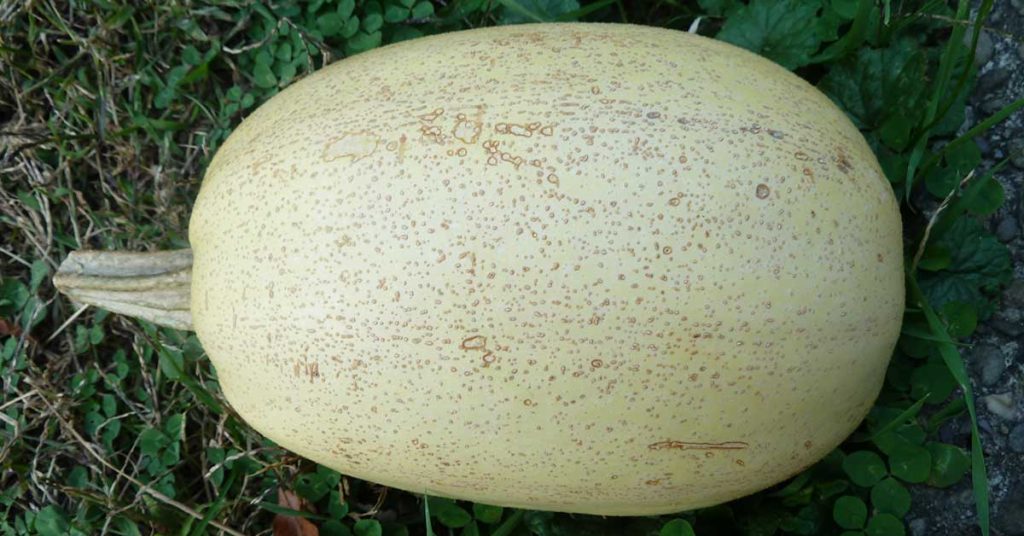
As a gardener, I love growing all kinds of vegetables – especially unique ones like spaghetti squash. I love seeing the plant grow, and watching the leaves unfurl and the yellow flowers bloom. Although you can eat unripe spaghetti squash, it’s good to know exactly when you should pick a spaghetti squash to get the...

3 min read Fruits And Vegetables

I grow tomatillos every year for a variety of reasons. They are a great source of flavor and nutrition, and they can be used in a variety of dishes. Tomatillos are also easy to grow and require minimal attention. Additionally, they are often a main ingredient in Mexican and Latin American cuisine. I like to...

3 min read Gardening Tips

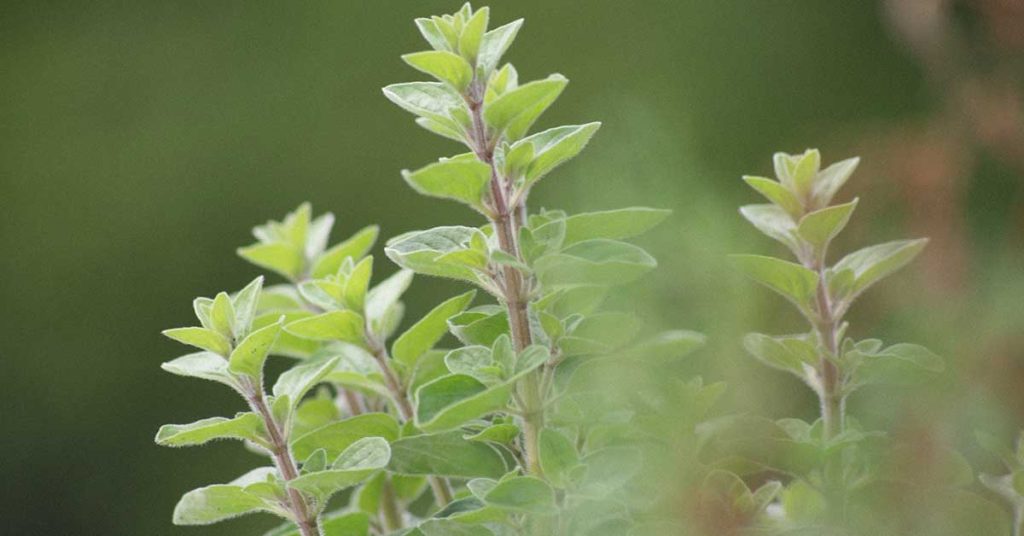
Oregano is an herb that is native to the Mediterranean region that typically grows to a height of 12-24 inches. It’s a really easy process to harvest oregano, but there are a few best practices to consider. Oregano’s name is derived from the Greek words “oros” (mountain) and “ganos” (joy). It has been used for...

6 min read Flowers And Houseplants

I’m pretty grateful to have a fully fenced-in yard, not just because it keeps wayward critters out, but it gives me an opportunity to show off my gardening skills. Planting flowers along a fence line can add color and texture to an otherwise dull area and can also provide privacy and act as a windbreak....

3 min read Flowers And Houseplants

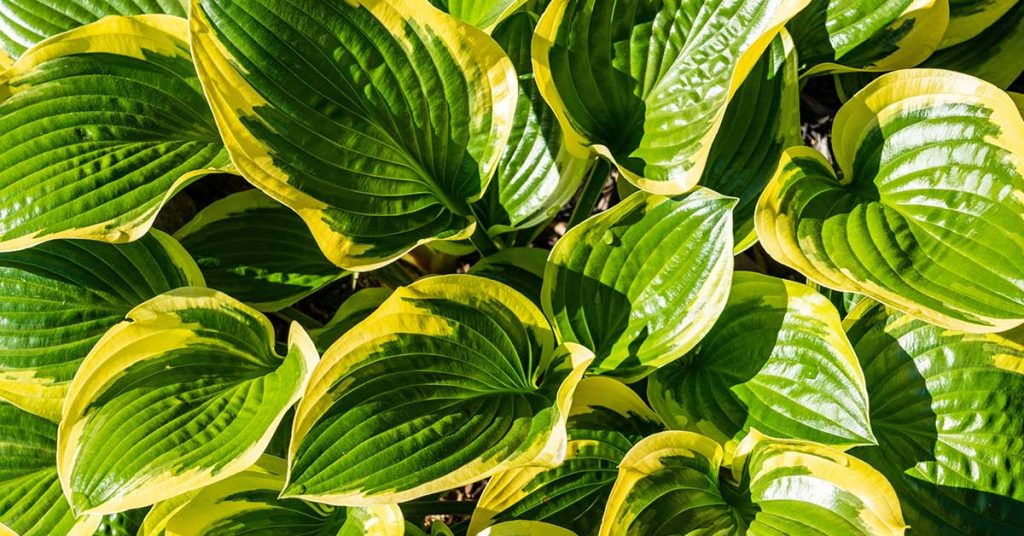
I love hostas. They’re one of my favorite plants to grow in shady spots, especially on the north-facing sides of my home as a ground cover. They grow nice, dense foliage and send up awesome white flowers in the summer. Knowing how and when to fertilize hostas is an important element in growing this lush,...

3 min read Flowers And Houseplants

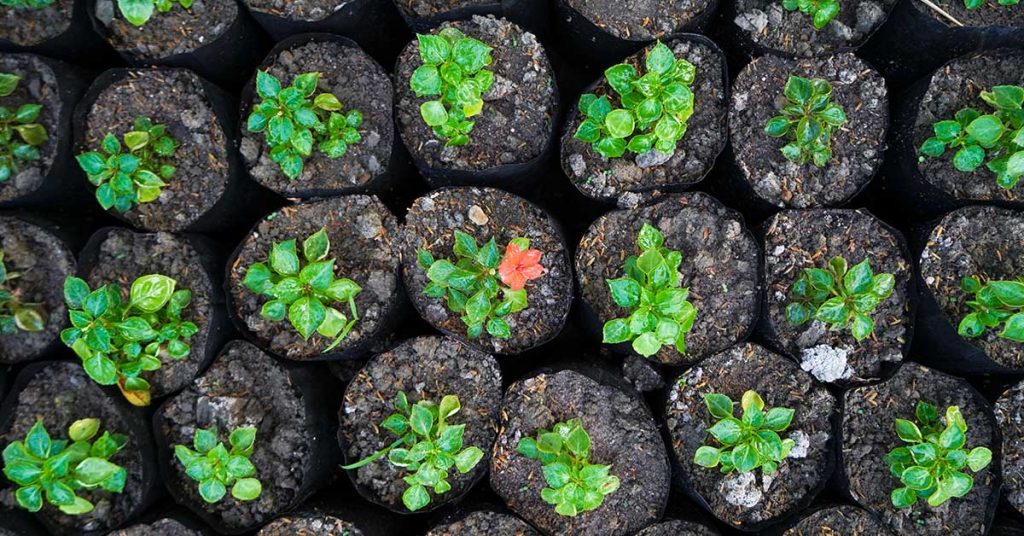
As a kid, I remember fondly working with my mom each spring, early on before “winter” really ended, on planting impatient from seed. It’s such a simple process to grow impatiens from seed right at home. In this article, we’ll do a deep dive on how to grow your own impatien seeds and harvest them...

3 min read Gardening Tips

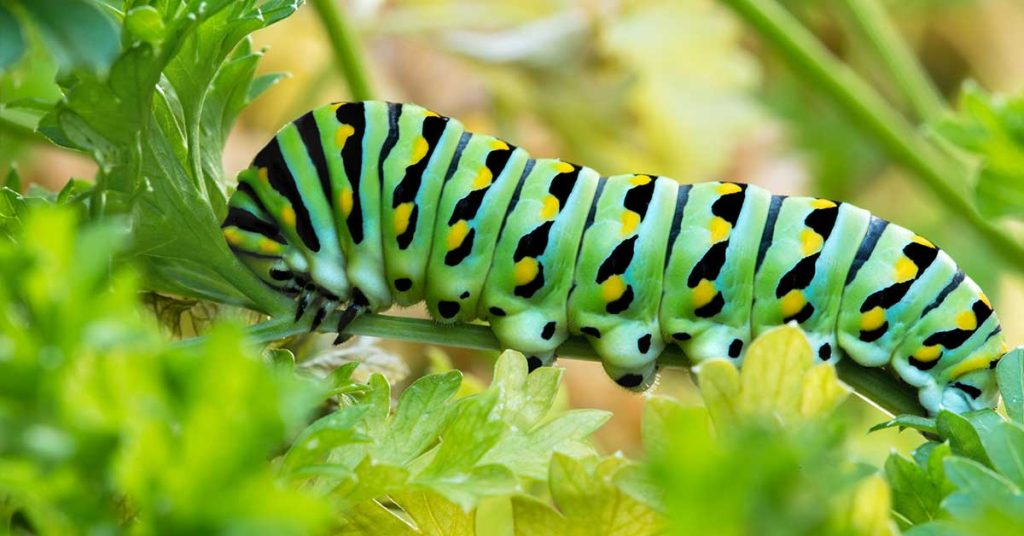
Parsley is a very easy herb to grow, but it’s not without its pests. Parsley worms are one of the main pests that prey on anything from the parsley family, Apiaceae, which includes carrots, fennel, dill, hemlock, Queen Anne’s lace, parsnips, anise, and coriander. They are easily recognized for their stunning green flesh with black...