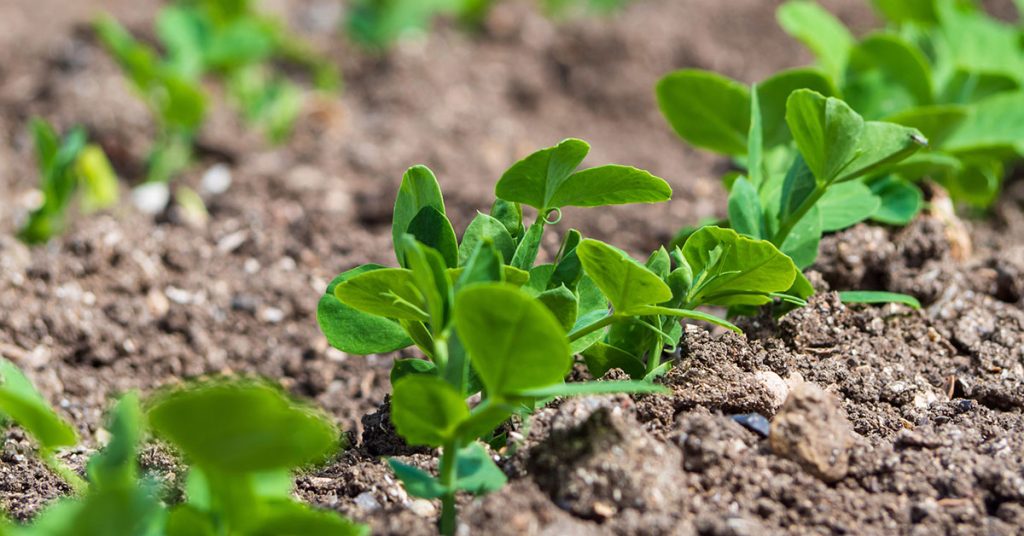
Arkansas is an excellent place to grow peas due to its temperate climate. The state has hot summers and mild winters, providing an ideal environment for peas to thrive. Peas do best when temperatures are between 50-75 degrees Fahrenheit, so Arkansas’ mild temperatures make it a great place to grow a variety of varieties. The...
Gardening Tips
Having a garden is a key aspect of a sustainable lifestyle. When you go to the grocery store to buy produce like fruits and vegetables, as well as eggs, each of those items comes with a carbon footprint and other environmental complications. Unfortunately, a lot of industrial-level farming practices aren’t good for the environment and they aren’t sustainable either. Growing your own fruits and vegetables reduces the negative impact that industrial farming has.
We are strong proponents of living a sustainable lifestyle, both by having a garden and by making environmentally friendly choices that put you on a more sustainable path. That includes using less single-use plastic, conserving energy and water, gardening using organic methods, avoiding synthetic chemicals inside and outside of the home, driving less, living off the grid, and other sustainable efforts.
Sustainable living isn’t just good for the planet but it’s good for you too. Often times, living sustainably means simplifying your life – you get more out of life with less. Sustainable living helps avoid unnecessary consumerism, save money, save the earth, and save your sanity all along the way.
Our gardening tips will help guide you to a greener lifestyle that benefits the planet, your pocket, your community, and yourself too. If all of us did just a little bit to be more sustainable, we could have a massive positive impact and change our world.
So let’s explore these gardening tips together and work toward a greener future for our kids and grandkids.
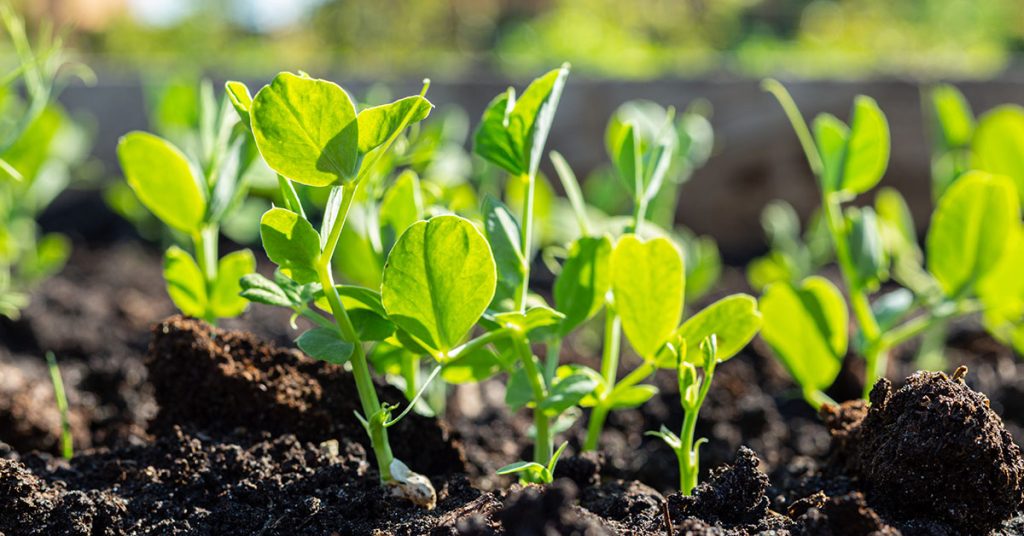
Growing peas in South Carolina can be a rewarding experience, as the climate in the region is suitable for this type of crop. South Carolina typically has mild winters with average temperatures ranging from lows in the mid-30s to highs in the mid-60s. Summers are usually hot and humid, with temperatures usually in the mid-80s...
Growing peas in Colorado can be a rewarding experience, as the climate in the state offers the perfect mix of conditions for successful harvests. With its wide range of elevations and diverse topography, the climate in Colorado is generally mild, but with a good amount of sunshine and precipitation in most areas, there is plenty...
Growing peas in Pennsylvania can be ideal, due to its diverse and temperate climate. With hot summers and cold winters, the state provides perfect conditions for peas to thrive throughout the growing season. Peas do best in Pennsylvania when temperatures are between 65 and 75 degrees Fahrenheit and require plenty of sun, moisture, and well-drained...
Michigan is an ideal place to grow peas due to its temperate climate. The summers are mild and the winters are cold, allowing for a long growing season for warm-season crops like peas. The state receives ample rainfall throughout the year and its soils are generally nutrient-rich, making it an ideal place for growing peas....
Growing peas in North Carolina can be a rewarding experience for gardeners. The climate in North Carolina is temperate, with hot and humid summers, cold winters, and ample rainfall throughout the year. The warm weather and ample rainfall make it a great place to grow a variety of vegetables, including peas. Peas are a cool...
Ohio provides an ideal climate for growing peas in both the spring and the fall. While the summer months bring hot and humid weather, the spring and fall months are generally mild and provide a great environment for growing peas. In addition, Ohio has a good amount of rainfall throughout the year, which helps to...
Growing peas in Texas can be a rewarding experience with the right climate. The climate in Texas provides mild winters and hot summers, allowing gardeners to grow a variety of peas. Peas thrive in the warm days and cool nights of the Texas climate, with temperatures ranging from the 20s to the 90s. The soil...
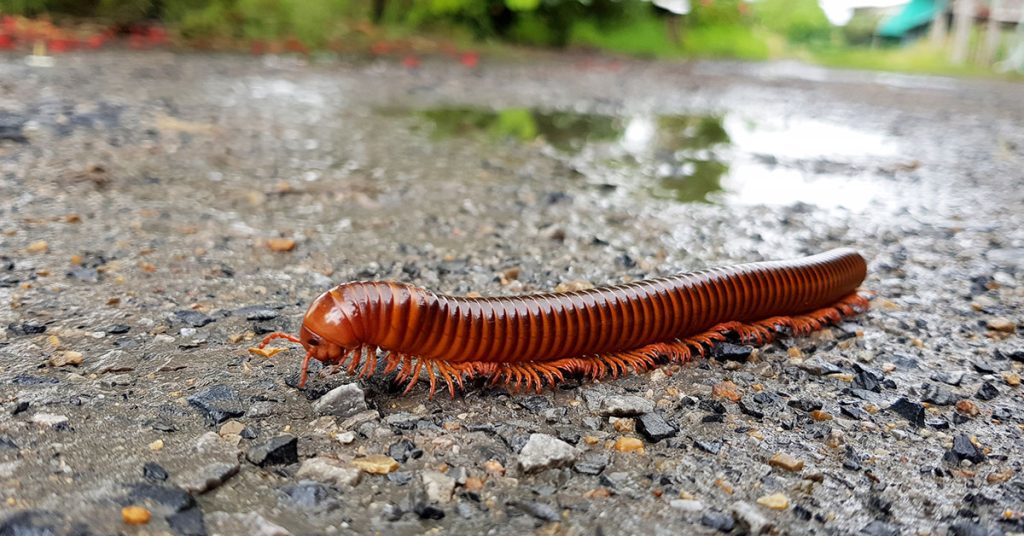
Millipedes are not typically considered pests, but they can become a nuisance in large numbers. These arthropods generally serve a beneficial purpose in your garden. However, if you are experiencing a millipede infestation, there are steps you can take to control their population. It’s important to understand that millipede infestations are rare and usually occur...
Growing peas in hardiness zone 13 can be a rewarding and enjoyable experience for gardeners. This zone is characterized by a warm climate, with temperatures ranging from lows of 51°F in the winter to highs of 99°F in the summer. The climate is arid, with limited rainfall and a long growing season that typically lasts...
Growing peas in hardiness zone 12 is a great way to get a jump start on the gardening season. Located in the southern United States, this area has a climate with warm temperatures and plenty of sunshine, making it ideal for growing peas. It is usually warm enough to start planting peas in mid-spring and...
Growing peas in hardiness zone 11 is ideal because of the mild climate and moderate winter temperatures. This region is located in the southeastern United States and is characterized by warm summers and mild winters. The average temperature in the summer is around 90°F (32°C) and in the winter it rarely drops below freezing. There...