Growing pumpkins can be a fun and rewarding experience for gardeners of all skill levels, but one of the things you should know is how many pumpkins grow per plant. There is something satisfying about watching the vines grow and the fruit develops, from small green orbs to large, vibrant pumpkins. Not only do they...
Gardening Tips
Having a garden is a key aspect of a sustainable lifestyle. When you go to the grocery store to buy produce like fruits and vegetables, as well as eggs, each of those items comes with a carbon footprint and other environmental complications. Unfortunately, a lot of industrial-level farming practices aren’t good for the environment and they aren’t sustainable either. Growing your own fruits and vegetables reduces the negative impact that industrial farming has.
We are strong proponents of living a sustainable lifestyle, both by having a garden and by making environmentally friendly choices that put you on a more sustainable path. That includes using less single-use plastic, conserving energy and water, gardening using organic methods, avoiding synthetic chemicals inside and outside of the home, driving less, living off the grid, and other sustainable efforts.
Sustainable living isn’t just good for the planet but it’s good for you too. Often times, living sustainably means simplifying your life – you get more out of life with less. Sustainable living helps avoid unnecessary consumerism, save money, save the earth, and save your sanity all along the way.
Our gardening tips will help guide you to a greener lifestyle that benefits the planet, your pocket, your community, and yourself too. If all of us did just a little bit to be more sustainable, we could have a massive positive impact and change our world.
So let’s explore these gardening tips together and work toward a greener future for our kids and grandkids.
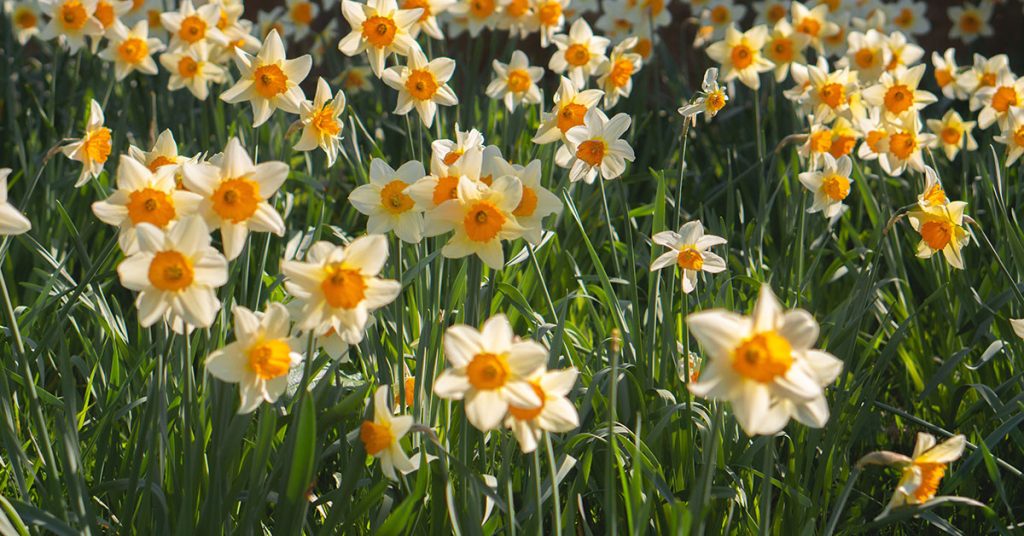
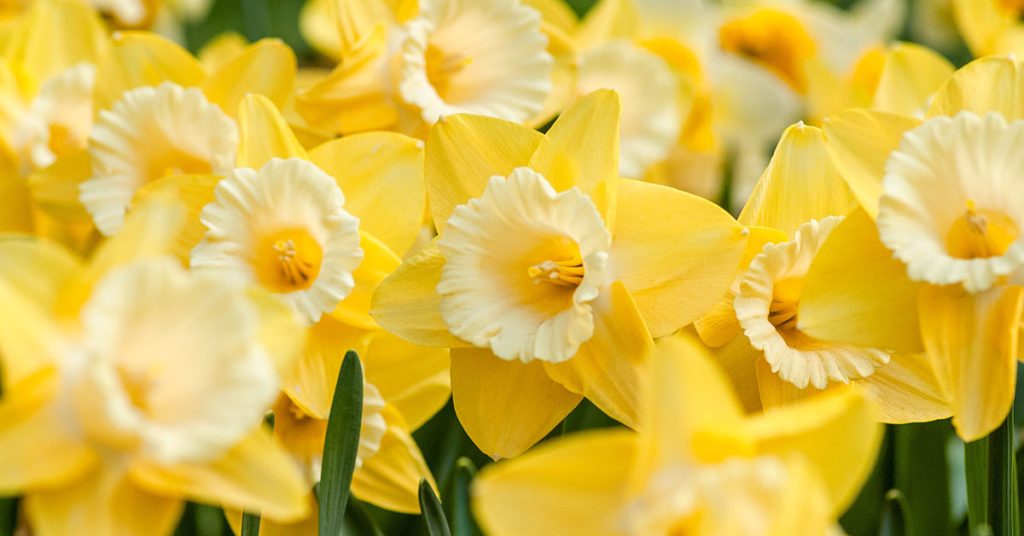
Daffodils are a beautiful and hardy spring-flowering bulb that can be easily transplanted to new locations in your garden or landscape. Transplanting daffodil bulbs is a simple process, but timing is important to ensure that the bulbs are healthy and have the best chance of thriving in their new environment. In this article, we will...
Daffodils are more than just beautiful flowers; they are also rich with symbolism and meaning. For centuries, people have associated daffodils with various qualities and emotions, from rebirth and new beginnings to hope and resilience. In this article, we will explore the symbolism of daffodils and what they represent to different people. What do daffodils...
As the winter season comes to an end, a beautiful sight unfolds in many parts of the world – the blooming of daffodils. These bright and cheerful flowers are a symbol of the coming of spring, and their arrival is eagerly awaited by many. In this article, we will explore when daffodils bloom and what...
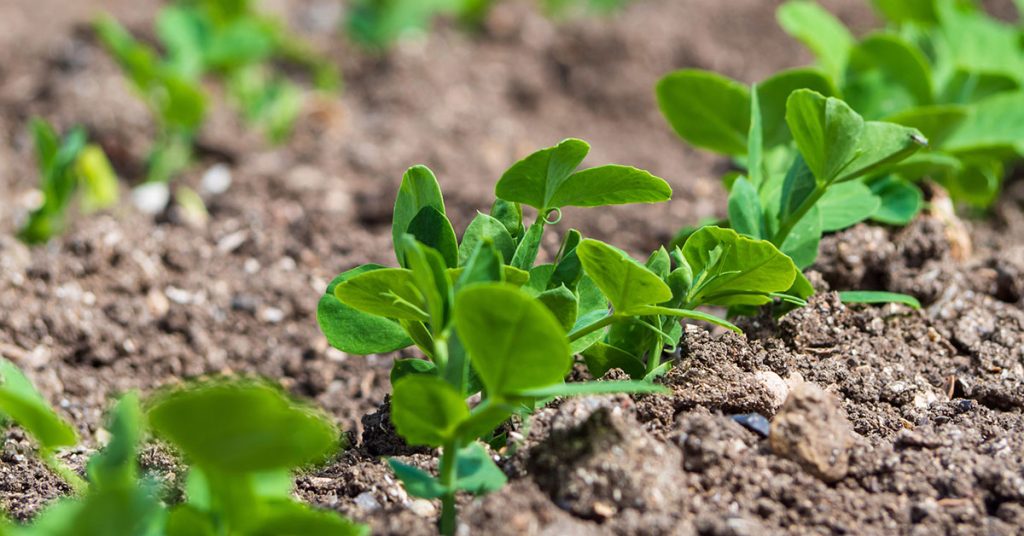
Rhode Island is an ideal location for growing peas. This small state offers a climate that is mild and humid throughout the year, with temperatures that rarely reach extremes. The growing season is typically long, beginning in April and continuing through the middle of October. During the summer months, plenty of sunshine and rainfall help...
Growing peas in Connecticut can be an easy plant to add to your garden. The warm summers, cool springs, and mild autumns provide the perfect environment for peas to mature and thrive. With the right soil, ample water, and plenty of sunshine, gardeners will have no problem growing this popular vegetable in Connecticut. Peas are...
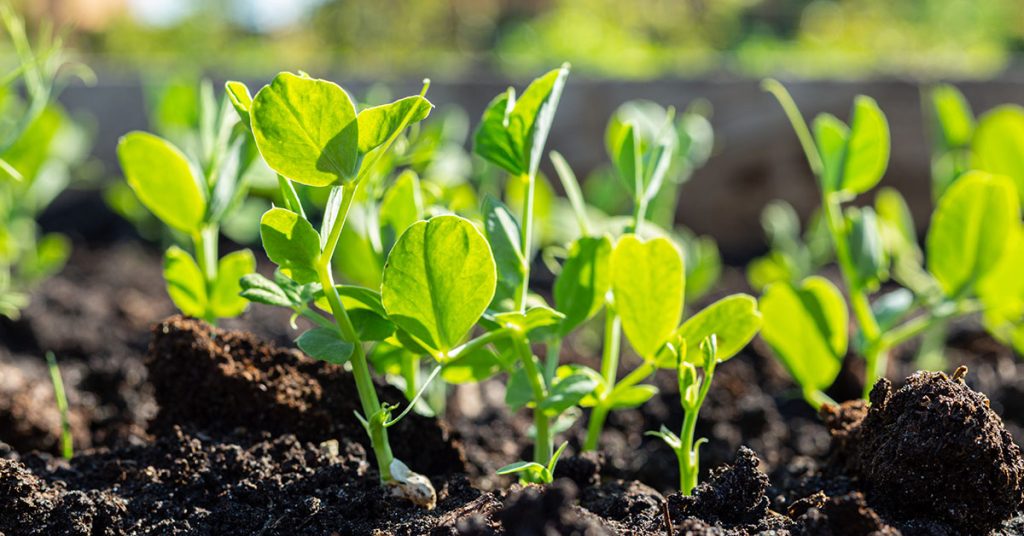
Growing peas in Massachusetts is a great way to add a nutritious vegetable to your garden. With the state’s humid continental climate, peas thrive in the mild temperatures and ample rainfall that are typical of Massachusetts. The moderate temperatures allow gardeners to plant peas in early spring and enjoy a harvest later in the season....
New Hampshire is a great place to grow peas due to its climate conducive to gardening. The state has a generally moderate climate with warm summers and cold winters. The spring season is the perfect time to plant peas since the soil is still relatively cool. During the summer months, the temperatures tend to rise,...
Growing peas in Vermont is a rewarding experience due to the state’s unique climate. Vermont has a humid continental climate that is characterized by cold winters and warm summers. The average temperature range during the growing season is between 40-70 degrees Fahrenheit. The amount of precipitation is generally enough to support successful pea growing, with...
Growing peas in New Jersey is a great way to enjoy a home garden that produces a delicious, nutritious crop. The climate in New Jersey is ideal for growing peas as the state has a moderate climate, with four distinct seasons. Summers are warm and humid with temperatures in the 80s and low 90s, while...
Growing peas in Delaware can be an easy experience for beginner gardeners. Delaware’s climate is well-suited for growing peas, an important staple crop of the region. This is due to its mild climate with warm summers and cool winters that provide ample rain and mild temperatures for the growing season. Peas are a great crop...
Growing peas in Maryland can be a rewarding experience as the climate in the state is quite suitable for this type of crop. Maryland experiences a humid subtropical climate, with warm summers and generally mild winters. The state has plenty of sunshine and moderate temperatures, making it an ideal environment for growing peas in Maryland....