The distinctive weather and climate conditions found in USDA Zone 9 pose specific challenges and opportunities for onion farmers, who play a critical role in the growth and development of these crops. The extended growing seasons, warm summers, and mild winters require farmers to customize their planting and cultivation techniques to ensure that the onion...
Gardening Tips
Having a garden is a key aspect of a sustainable lifestyle. When you go to the grocery store to buy produce like fruits and vegetables, as well as eggs, each of those items comes with a carbon footprint and other environmental complications. Unfortunately, a lot of industrial-level farming practices aren’t good for the environment and they aren’t sustainable either. Growing your own fruits and vegetables reduces the negative impact that industrial farming has.
We are strong proponents of living a sustainable lifestyle, both by having a garden and by making environmentally friendly choices that put you on a more sustainable path. That includes using less single-use plastic, conserving energy and water, gardening using organic methods, avoiding synthetic chemicals inside and outside of the home, driving less, living off the grid, and other sustainable efforts.
Sustainable living isn’t just good for the planet but it’s good for you too. Often times, living sustainably means simplifying your life – you get more out of life with less. Sustainable living helps avoid unnecessary consumerism, save money, save the earth, and save your sanity all along the way.
Our gardening tips will help guide you to a greener lifestyle that benefits the planet, your pocket, your community, and yourself too. If all of us did just a little bit to be more sustainable, we could have a massive positive impact and change our world.
So let’s explore these gardening tips together and work toward a greener future for our kids and grandkids.
USDA Zone 8 presents a unique set of challenges and opportunities for onion growers, with its distinctive weather and climate conditions. With mild winters and hot summers, as well as varying levels of precipitation and soil quality, onion growers in this region must take a tailored approach to planting and cultivation. In this article, we...
USDA Zone 7 offers a unique environment for onion growers, with its variable weather and climate conditions presenting both challenges and opportunities for successful cultivation. From hot summers to mild winters and varying levels of precipitation, onion growers in this region must take a tailored approach to planting and cultivation to ensure success. In this...
USDA Zone 6 provides a favorable climate for onion growers, with its moderate temperature range and abundant rainfall. However, understanding the optimal planting time and methods for planting onions in this region is crucial. In this article, we will explore the best practices for planting onions in USDA Zone 6, taking into account the area’s...
USDA Zone 5 offers a unique climate for onion growers that can be both advantageous and challenging. With its fluctuating temperatures, frosty winters, and hot summers, cultivating onions in this region requires careful planning and execution. However, by understanding the specific factors that can positively or negatively impact onion growth in USDA Zone 5, you’ll...
USDA Zone 4 is a region that presents a unique set of challenges for onion growers. With its harsh and diverse climate, cultivating onions in this area requires careful planning and execution. However, by understanding the distinct factors that can positively or negatively impact onion growth in USDA Zone 4, you can develop an effective...
USDA Zone 3 is a challenging environment for growing onions due to its harsh climate and unpredictable weather patterns. However, with the right techniques and proper planning, it is possible to achieve a successful onion crop in this region. In this article, we will delve into the optimal techniques for planting onions in USDA Zone...
Onions are a popular vegetable crop that can be grown successfully in a wide range of environments, including USDA Zone 2, which is characterized by short summers, long cold winters, and a relatively low annual temperature range. While planting onions in this region can be challenging, with the right approach, it is possible to achieve...
Onions are versatile vegetables that can be grown in a wide range of climatic conditions, including USDA Zone 1, which is characterized by extremely cold winters and short growing seasons. While planting onions in this region can be challenging, it is possible to achieve a successful crop by following certain best practices. In this article,...
Peonies are a beloved garden plant known for their stunning blooms, but sometimes they can develop unsightly spots on their leaves. This can be frustrating for gardeners, but fortunately, there are effective solutions to remediate the issue. In this article, we will explore the causes of spotted leaves in peonies and offer practical solutions to...
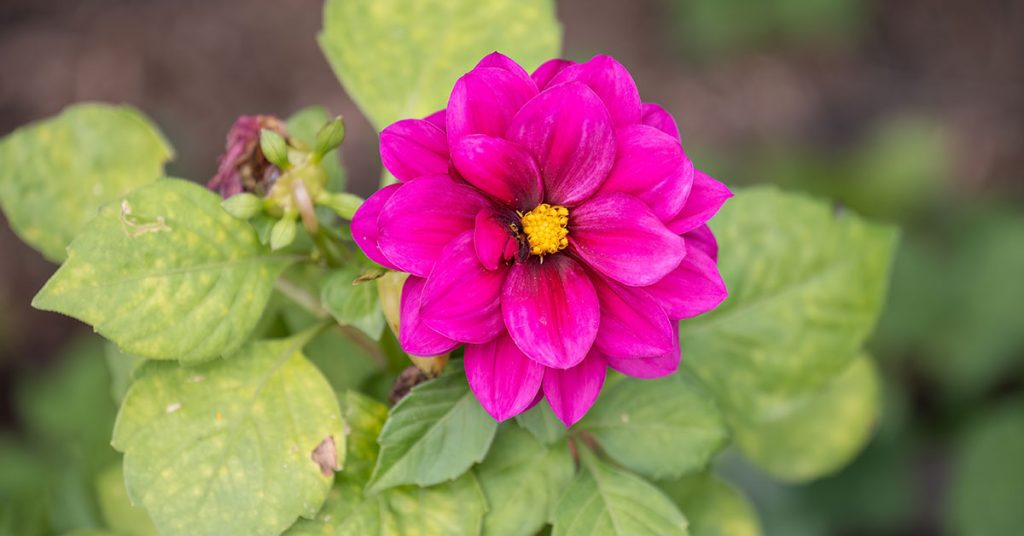
Dahlias are beautiful flowering plants that are prized for their colorful blooms and lush foliage. However, one problem that many gardeners encounter with dahlias is yellowing leaves. A common question I get is: why are my dahlia leaves turning yellow? This can be a sign of several different issues, but fortunately, there are several solutions...
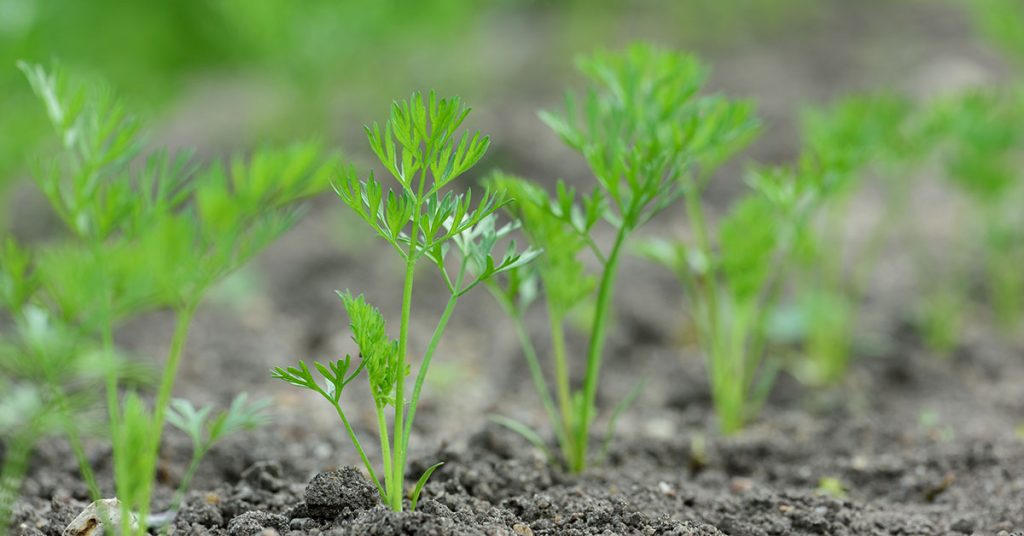
Growing carrots in Arizona is definitely possible, as the climate in the state is perfect for the plant. Arizona is hot and dry, and the summers are long, with plenty of sunshine and warm temperatures. The soil in Arizona is also well-draining and nutrient-rich, making it ideal for growing carrots. Carrots need plenty of sun...