Gardening Tips

Having a garden is a key aspect of a sustainable lifestyle. When you go to the grocery store to buy produce like fruits and vegetables, as well as eggs, each of those items comes with a carbon footprint and other environmental complications. Unfortunately, a lot of industrial-level farming practices aren’t good for the environment and they aren’t sustainable either. Growing your own fruits and vegetables reduces the negative impact that industrial farming has.
We are strong proponents of living a sustainable lifestyle, both by having a garden and by making environmentally friendly choices that put you on a more sustainable path. That includes using less single-use plastic, conserving energy and water, gardening using organic methods, avoiding synthetic chemicals inside and outside of the home, driving less, living off the grid, and other sustainable efforts.

Sustainable living isn’t just good for the planet but it’s good for you too. Often times, living sustainably means simplifying your life – you get more out of life with less. Sustainable living helps avoid unnecessary consumerism, save money, save the earth, and save your sanity all along the way.

Our gardening tips will help guide you to a greener lifestyle that benefits the planet, your pocket, your community, and yourself too. If all of us did just a little bit to be more sustainable, we could have a massive positive impact and change our world.

So let’s explore these gardening tips together and work toward a greener future for our kids and grandkids.


8 min read Flowers And Houseplants

Growing iris bulbs in Arizona is not only possible but quite rewarding. The Grand Canyon State has a varied climate, ranging from cold winters to hot summers. This means that in different areas of the state, various varieties of the iris plant may thrive. Depending on location, iris bulbs typically need to be hardy to...

8 min read Flowers And Houseplants

Iris bulbs can be grown successfully in Alaska, although some caution should be taken for certain climate zones. Iris bulbs do not fare well in areas with extremely cold temperatures, so it is important to take into account the hardiness zone of your area. The hardiness zone of Alaska goes from 1 to 8. In...

8 min read Flowers And Houseplants

Iris bulbs can be grown in the warmer climates of Hawaii in the hardiness zones 9, 10, 11, 12, and 13. The islands have warm to hot temperatures throughout the year with mild winters. Most iris bulbs can be planted in the fall for blooms in the spring with some varieties able to be planted...

8 min read Flowers And Houseplants

Iris bulbs are a great addition to any garden in Washington and thrive in the mild climate. Depending on where in the state you live, different hardiness zones and conditions will affect the success of your iris bulbs. Generally, the hardiness zones in Washington range from 4 to 9, with zone 4 found in the...

8 min read Flowers And Houseplants

Iris bulbs are an attractive option for gardens in the Pacific Northwest, particularly Oregon. This region lends itself well to successful iris bulb growth, with its mild climate and wide range of hardiness zones. In Oregon, irises are resistant to cold and do well in hardiness zone 4 to hardiness zone 9. With proper planting...

8 min read Flowers And Houseplants

Iris bulbs can be grown successfully in Maine, where the climate and hardiness zones allow for a variety of different iris. Iris plants thrive in climates with warm days and cool nights, which Maine receives due to its location near the Atlantic Ocean. Maine experiences both hot summers and cold winters, making it a great...

8 min read Flowers And Houseplants

Growing iris bulbs in Georgia is a great way to enjoy beautiful blooms in your garden. The state has a warm temperate climate with long summer days and mild winters. This makes it ideal for growing many species of iris. Iris bulbs can be grown in all four of Georgia’s hardiness zones, 6, 7, 8,...

3 min read Fruits And Vegetables

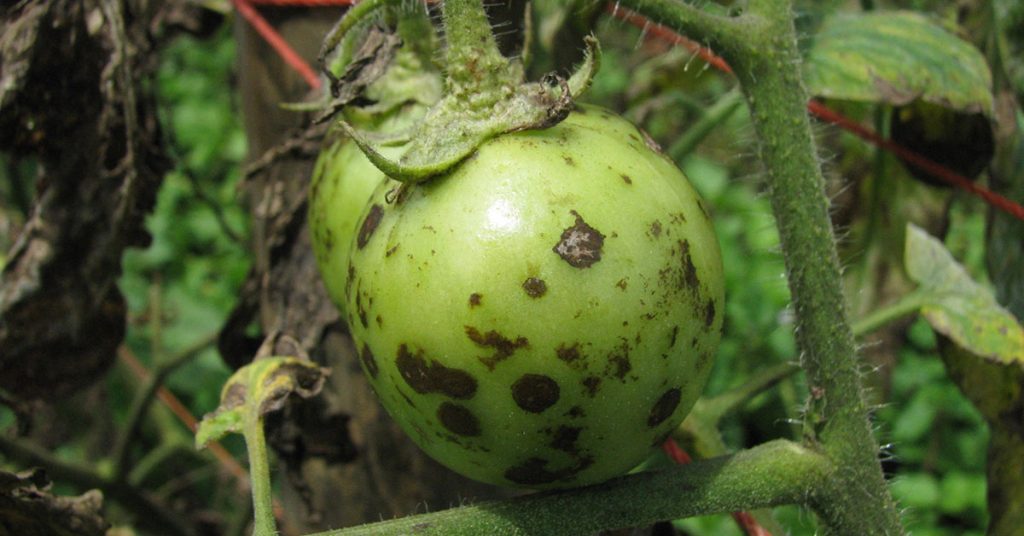
Growing tomatoes is a rewarding endeavor, but the journey is not without its challenges. Pests and diseases can wreak havoc on your tomato plants, affecting their health and productivity. However, with early detection and appropriate interventions, you can effectively manage these issues. Knowing how to identify common tomato pests and diseases is key! In this...

8 min read Flowers And Houseplants

Growing iris bulbs in California can be easy depending on which zone you are in. Iris is a beautiful flowering bulb that can bring a variety of colors, shapes, and sizes to any garden. With its wide array of varieties, colors, and sizes, it is becoming an increasingly popular addition to gardens across California. It...

8 min read Flowers And Houseplants

Arkansas is a great place to grow Iris flower bulbs. With its mild climate and hardiness zones of 6, 7, and 8 throughout the state, Iris bulbs will grow quite nicely in the Natural State. Prior to planting, it is important to understand the differences between the zones and the types of bulbs that should...

8 min read Flowers And Houseplants

Growing iris bulbs in South Carolina is usually quite successful, due to the mild climates and variety of hardiness zones. The climate in South Carolina is typically temperate, with hot, humid summers and mild winters. Spring and autumn are generally gentle, although there can be occasional strong thunderstorms and tornadoes. Hardiness Zones 7 to 9...

7 min read Flowers And Houseplants

Iris bulbs can be grown successfully in Colorado since the climate of the state is typically a dry continental one. Long sunny days give way to cold clear nights, particularly at higher altitudes, and the plants enjoy the alternate freezing and thawing periods during winter. Colorado is divided into hardiness zones 3, 4, 5, 6,...