If you’ve been in the gardening world long enough, you’ve probably seen gorgeous raised beds or trellises made from treated wood and thought, “That’s sturdy—maybe I should try that!” But here’s the thing: not everything that looks strong and weather-resistant is necessarily safe for your plants, your soil, and your own health. Treated wood—especially certain...
Gardening Tips
Having a garden is a key aspect of a sustainable lifestyle. When you go to the grocery store to buy produce like fruits and vegetables, as well as eggs, each of those items comes with a carbon footprint and other environmental complications. Unfortunately, a lot of industrial-level farming practices aren’t good for the environment and they aren’t sustainable either. Growing your own fruits and vegetables reduces the negative impact that industrial farming has.
We are strong proponents of living a sustainable lifestyle, both by having a garden and by making environmentally friendly choices that put you on a more sustainable path. That includes using less single-use plastic, conserving energy and water, gardening using organic methods, avoiding synthetic chemicals inside and outside of the home, driving less, living off the grid, and other sustainable efforts.
Sustainable living isn’t just good for the planet but it’s good for you too. Often times, living sustainably means simplifying your life – you get more out of life with less. Sustainable living helps avoid unnecessary consumerism, save money, save the earth, and save your sanity all along the way.
Our gardening tips will help guide you to a greener lifestyle that benefits the planet, your pocket, your community, and yourself too. If all of us did just a little bit to be more sustainable, we could have a massive positive impact and change our world.
So let’s explore these gardening tips together and work toward a greener future for our kids and grandkids.
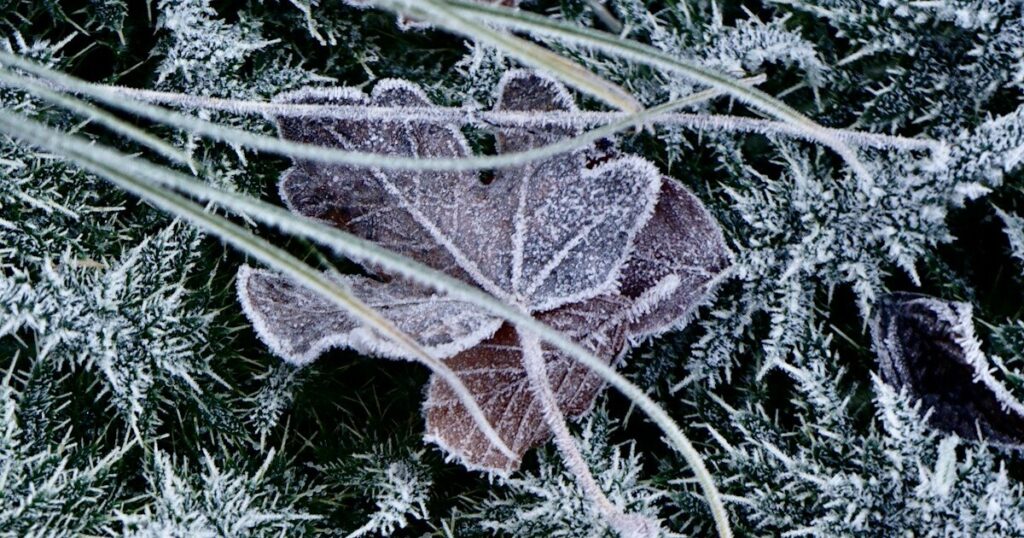
The first frost is a turning point in the garden. One day, you’re still enjoying vibrant blooms and baskets of fresh vegetables; the next, tender plants are blackened, and the air smells like winter. That’s why I’ve learned to treat the weeks leading up to frost as precious preparation time. The work you do now...
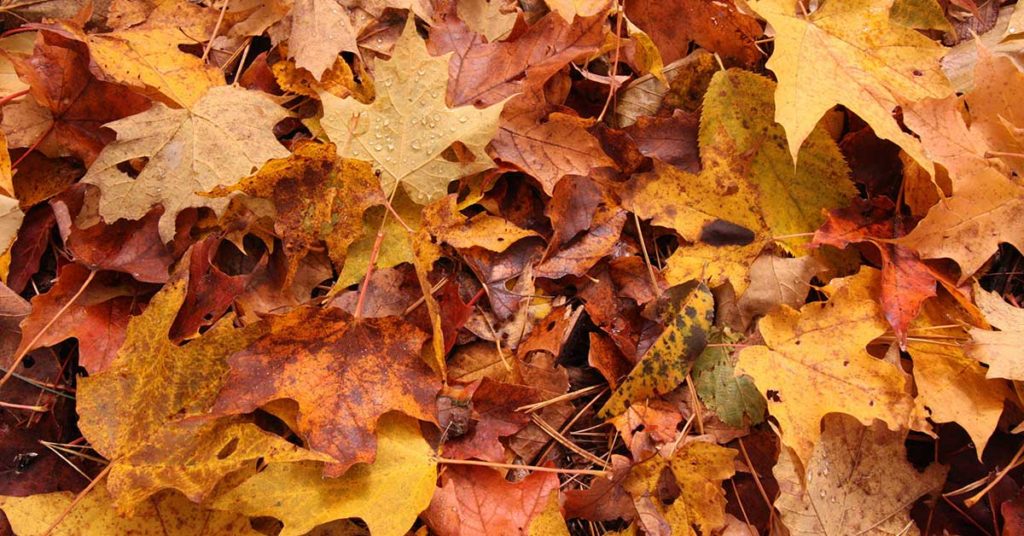
When autumn arrives and the trees start shedding their vibrant coats, it’s easy to think of fallen leaves as just another chore—something to bag up and send off to the curb. But those piles of crunchy gold are so much more than garden debris. In fact, they’re one of the most valuable natural resources your...
As summer starts to wind down, it’s tempting to simply enjoy the harvest and ignore what’s happening beneath the surface of your raised beds. But the truth is, this is one of the most important times to invest in them. The care and preparation you give your beds now will not only determine how they...
One of the most satisfying moments in gardening is when you realize something you’ve been tending all season is finally ready to pick. But here’s the catch—not all crops can sit around waiting for you to get to them. Some need to be harvested right away, or you risk losing them to pests, rot, or...
There’s a quiet kind of beauty in a lawn that’s been properly prepared for winter. By the time snow arrives—or the ground freezes in milder climates—your grass can either be resting peacefully, ready to burst with green in spring, or it can be struggling under the weight of compacted soil, bare patches, and nutrient loss....
If there’s one household item I never let myself run out of, it’s baking soda. Sure, it’s a hero in the kitchen—helping cakes rise and keeping the fridge smelling fresh—but in the garden, it’s an absolute game-changer. Over the years, I’ve discovered that this humble white powder can solve problems, prevent headaches, and even make...
August can be a bit of a turning point in the garden. The lush growth of early summer is starting to slow, the soil has been worked hard by months of planting and harvesting, and plants are often pushing through heat, drought, and competition from weeds. It’s easy to think that fertilizing is only for...
August is one of those months where the garden can feel both full of life and on the edge of winding down. The days are still long, the sun is warm, and crops are often at their peak, but there’s also a sense that the shift toward autumn has begun. It’s a time when I...
There’s something magical about being greeted by the first pops of color in the garden after a long, gray winter. Those early spring blooms feel like a warm handshake from the season ahead, promising brighter days and buzzing pollinators. But here’s the secret: to get that show, you can’t wait until spring to start thinking...
When autumn rolls in and the air starts to crisp, our gardens and local landscapes shift from the abundance of summer to a quieter, more muted palette. But while some plants go completely dormant, there are trees that truly step up their game during fall and winter—offering food, shelter, and even nesting opportunities to the...
Late summer often feels like a garden crossroads: spring crops are winding down, and you’re itching to plan that next planting. It’s such a bummer when soil becomes depleted or pests linger year after year—and August offers a golden window to nip those issues in the bud! By rotating your crops now, you set the...