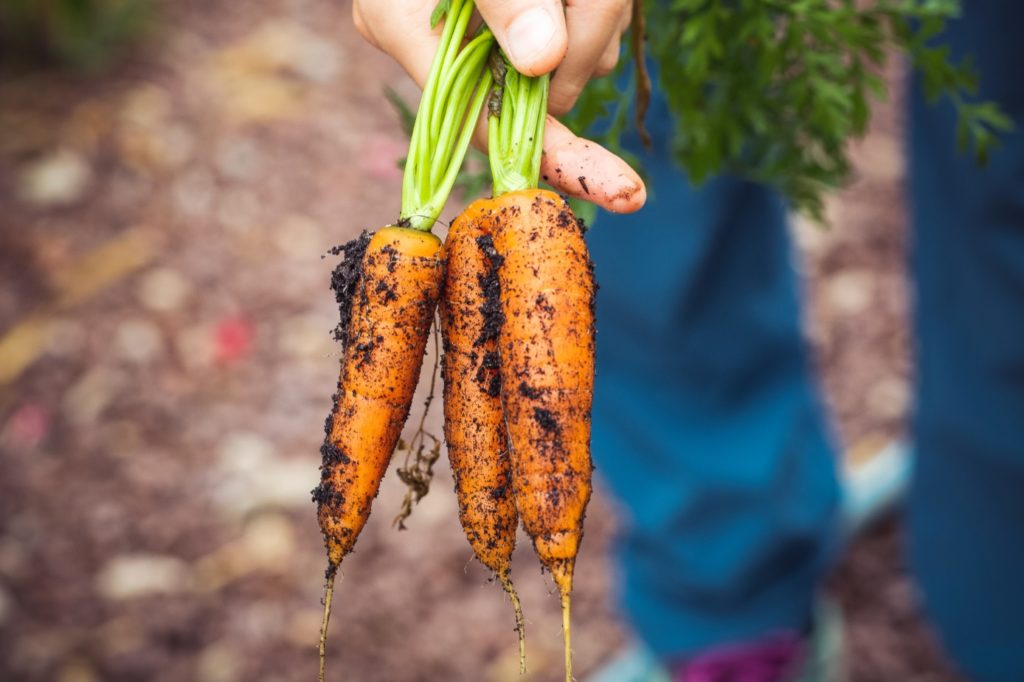
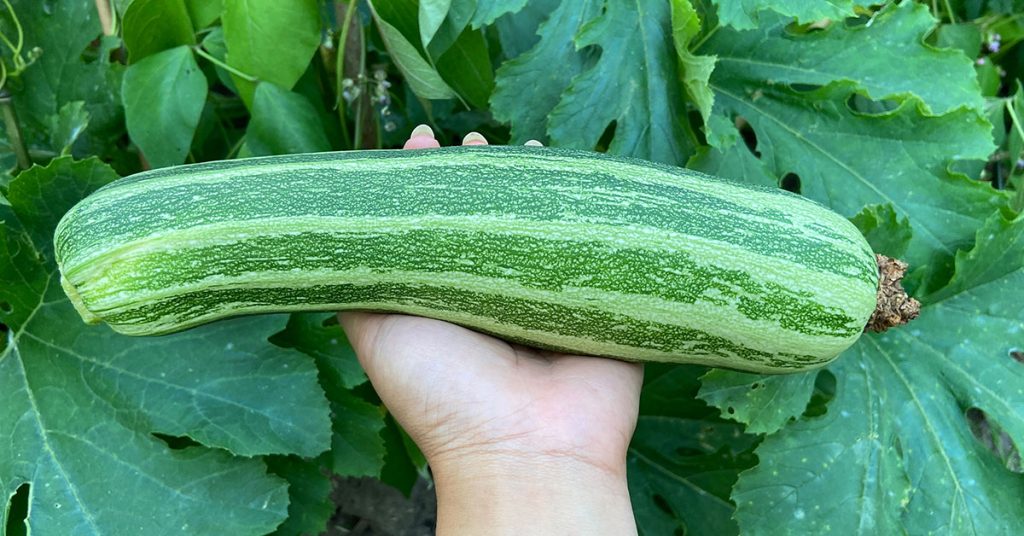
I completely understand the temptation—you’re staring down a patch of relentless weeds, and the chemical weed killer on the shelf promises an easy, fast solution. But if those weeds are anywhere near your lettuce, tomatoes, strawberries, or herbs, you really need to think twice. While these products can seem like miracle workers, they often carry...
Fruits And Vegetables
Living off grid is a term coined by Nick Rosen, an environmentalist. It’s defined as being independent of systems like utilities and other types of conveniences. Some consider it to be a sort of exile from society, others view it as being a more environmentally positive action, and technically, both are correct.
People who live off grid often have vastly simplified lifestyles. Buying stuff, convenience, and overconsumption take a back seat to more simplistic living. Lots of DIY, self improvement, and producing the things you need yourself.
Living off grid has numerous benefits. Off grid families tend to have a lower environmental footprint due to producing energy from clean tech sources like solar, less consumerism, and producing more food themselves. People who live off grid also experience a ton of personal satisfaction for the work they put in and what they get out.
Living off grid reportedly reduces stress and anxiety and improves health overall. The physical labor involved with off grid living is better for you than sitting at a desk in an office, and the food you grow yourself is often substantially healthier than what you would find in a grocery store.
Families who live off grid don’t just live frugally but can also make a little bit of money at it. Selling extra eggs, produce, and other things can help turn your off grid lifestyle into a net financial positive.
It’s not easy to be a fully off grid individual or family, but there are steps you can take to get you started without cutting off the world and living alone in a remote cabin.
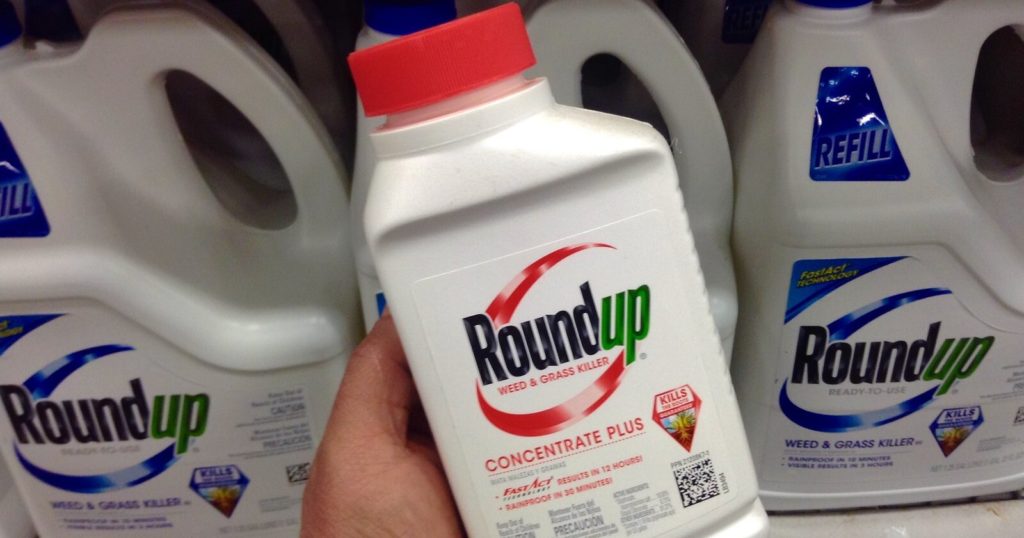
I love the idea of companion planting—it’s romantic, clever, and filled with possibility. The notion that certain plants can protect, nurture, or boost each other’s growth feels almost magical. But here’s the hard truth I’ve learned over the years: companion planting isn’t a silver bullet. While it absolutely has its place in the garden, relying...
If you’re anything like me, August always feels like a crossroads in the garden—you’re still harvesting the best of summer, but your mind is already racing ahead to the crisp days of fall and everything you could still grow. But here’s the thing: if you want a huge, healthy fall vegetable harvest, you can’t coast...
I know how disappointing it is to see your berry patch wind down after a summer of sweet harvests—especially when you’re already dreaming of next year’s jam! Many berry species, from raspberries (Rubus idaeus, native to Europe and Asia) to North American blueberries (Vaccinium spp.), demand extra care once the growing season winds to a...
I know how tempting it is to wind down your summer garden, but late summer is actually prime time for sowing and transplanting annuals that shine in cooler weather. By adding resilient, bloom‑packed plants now, you’ll extend color into autumn and give pollinators and migrating birds fresh feeding grounds. These annuals come from all over...
August can feel like a frantic sprint between summer’s heat and the promise of autumn’s cool days—but it’s the perfect window to set your broccoli up for a bounty of tender, flavorful heads come fall. Broccoli (Brassica oleracea var. italica), native to the Mediterranean and non‑invasive in garden settings, thrives when given a little extra...
Late summer is prime time for tomato lovers—you’ve nurtured those seedlings since spring, and now your vines should be heavy with ripening fruit. It’s such a bummer when all that care unravels in August because of a few missteps! The intense heat, shifting pollinator activity, and changing nutrient needs mean your tomatoes require thoughtful tweaks...
Late summer is the crescendo of the gardening season, when the warm days coax lush growth and vibrant fruit—but it’s also when timing and technique matter most. I know how heartbreaking it can be to walk out at dawn only to find overripe tomatoes split on the vine or zucchini that’s ballooned beyond tender. With...
As summer days begin to shorten and evening breezes carry a hint of crispness, August becomes the perfect time to set the stage for a spectacular autumn display. By planting the right varieties now, you’ll enjoy bursts of color and texture that carry you through September and October. It’s such a thrill to see asters...
August is peak tomato season, and there’s nothing like strolling into the garden at dawn to find clusters of ripe, sun‑warmed fruits bursting with flavor. Tomatoes (Solanum lycopersicum) hail from western South America, where their wild relatives still thrive in Andean foothills. Cultivated varieties have spread around the globe, sometimes escaping into waste places—but that...
Keeping a vigilant eye on your garden beds is one of the simplest ways to ensure that your plants thrive from seedling to harvest. It’s such a bummer when aphids or caterpillars sneak in overnight, leaving you with ragged leaves and stunted growth! By making bed checks part of your routine, you’ll catch trouble before...
Planning your cucumber harvest timing can make all the difference between crisp, refreshing slices and disappointingly tough, bitter monsters! Native to South Asia, cucumbers (Cucumis sativus) have been delighting gardeners for millennia with their cool, hydrating flesh, but letting them grow beyond peak size often leads to a less-than-stellar eating experience. It’s such a bummer...