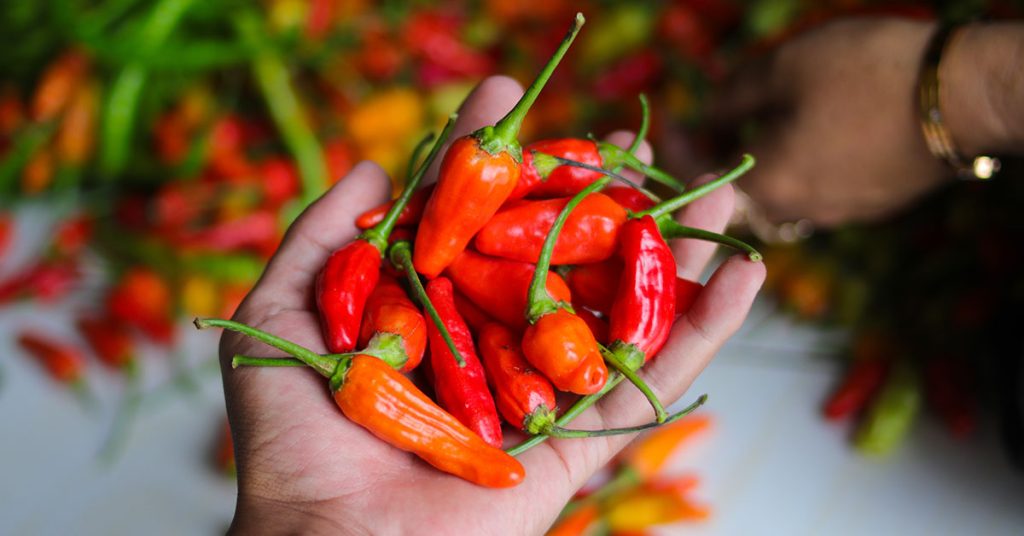
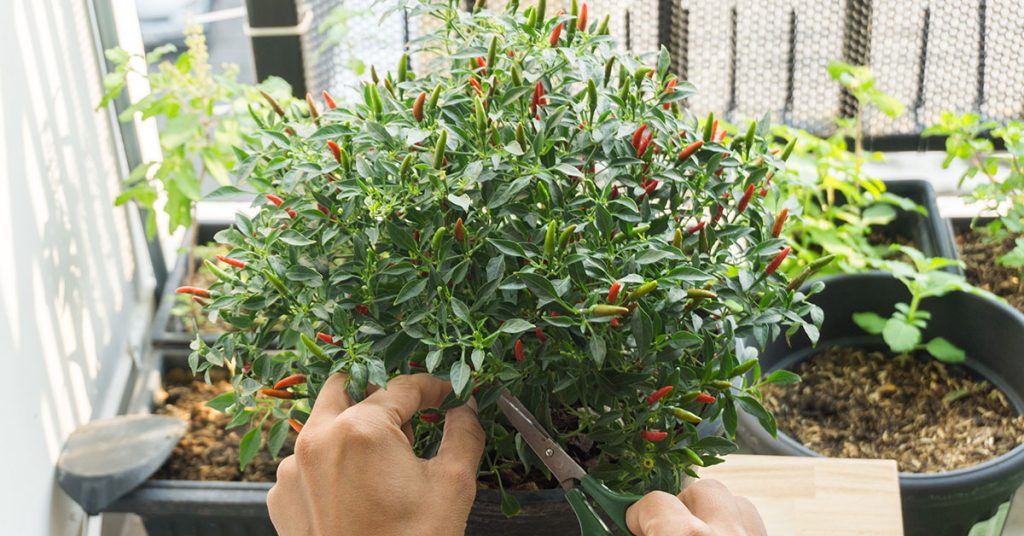
As August fades and the first whispers of autumn creep into the air, pepper plants—those vibrant, sun-loving treasures—begin to sense the change. Whether you’re growing sweet bells, fiery habaneros, or the perfectly balanced jalapeños, this is a pivotal time to give them the care they need for a bountiful finish to the season. By acting...
Fruits And Vegetables
Living off grid is a term coined by Nick Rosen, an environmentalist. It’s defined as being independent of systems like utilities and other types of conveniences. Some consider it to be a sort of exile from society, others view it as being a more environmentally positive action, and technically, both are correct.
People who live off grid often have vastly simplified lifestyles. Buying stuff, convenience, and overconsumption take a back seat to more simplistic living. Lots of DIY, self improvement, and producing the things you need yourself.
Living off grid has numerous benefits. Off grid families tend to have a lower environmental footprint due to producing energy from clean tech sources like solar, less consumerism, and producing more food themselves. People who live off grid also experience a ton of personal satisfaction for the work they put in and what they get out.
Living off grid reportedly reduces stress and anxiety and improves health overall. The physical labor involved with off grid living is better for you than sitting at a desk in an office, and the food you grow yourself is often substantially healthier than what you would find in a grocery store.
Families who live off grid don’t just live frugally but can also make a little bit of money at it. Selling extra eggs, produce, and other things can help turn your off grid lifestyle into a net financial positive.
It’s not easy to be a fully off grid individual or family, but there are steps you can take to get you started without cutting off the world and living alone in a remote cabin.
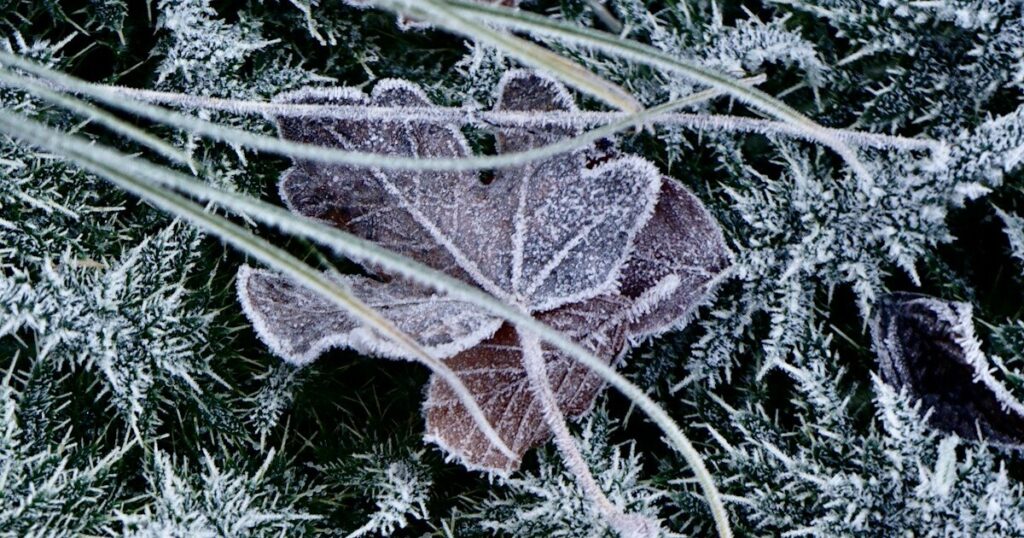
As the crisp days of autumn arrive and the first whispers of frost start making their way into the forecast, many gardeners start thinking about how to make their hard work last well beyond the growing season. It’s one of the most satisfying parts of gardening—knowing that even when the garden beds are tucked under...
There’s something truly magical about planting vegetables in September. The air starts to cool, the harsh summer sun begins to mellow, and the soil still holds enough warmth to kickstart germination. For many gardeners, this is the secret season—when planting now means you can enjoy crisp, fresh produce just as the leaves begin to turn....
Early September can be one of the most satisfying times in the garden. The air begins to cool ever so slightly, the light shifts into a softer hue, and your vegetable beds are heavy with crops that have been building flavor and texture all summer long. This is the moment where patience pays off, and...
September can be such a bittersweet month in the garden. The days are still warm enough to coax plants into producing, yet the first whispers of cooler weather are right around the corner. For those of us who put our hearts into growing food, the thought of the harvest season ending too soon can feel...
When the crispness of fall starts settling in, the greenhouse becomes more than just a shelter—it’s a lifeline for keeping your gardening season alive. While the outdoor beds may be winding down, inside your greenhouse you can still nurture lush growth and even enjoy fresh harvests long after your neighbors have put their tools away....
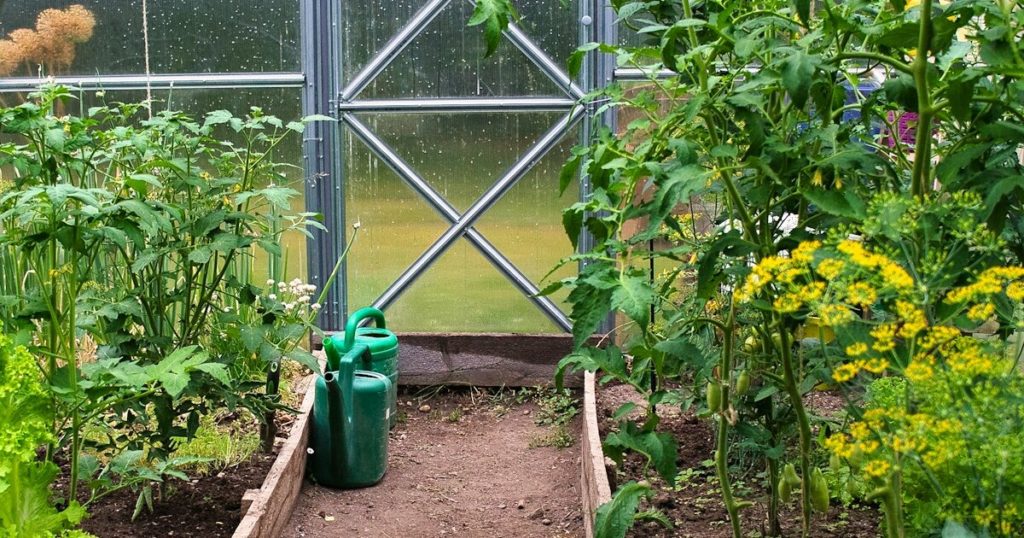
As summer winds down and the cooler air starts to creep in, your greenhouse becomes one of the most important tools in your gardening arsenal. Fall preparation isn’t just about tucking plants away for protection—it’s about creating an environment where they can continue to thrive when the outdoor growing season is slowing to a crawl....
Most gardeners treat peppers like annuals—plant them in spring, enjoy the harvest all summer, and then sadly watch them fade with the first frost. But here’s the exciting truth: peppers are actually perennials in their native climates! These plants, which hail from warmer regions of Central and South America, are built to keep growing and...
September is one of those months that can make or break your vegetable garden. The days are still warm enough for growth, but the cooler nights and shorter daylight hours start signaling to plants that the season is changing. Without a little extra attention, your crops might slow down or quit altogether just when you’re...
September can be such a tricky month for gardeners. The weather is changing, the days are getting shorter, and the plants that were thriving in the height of summer might start showing signs of slowing down. But this is also a month full of opportunity! If you prepare your plants properly now, you can set...
The first frost is a turning point in the garden. One day, you’re still enjoying vibrant blooms and baskets of fresh vegetables; the next, tender plants are blackened, and the air smells like winter. That’s why I’ve learned to treat the weeks leading up to frost as precious preparation time. The work you do now...
As summer starts to wind down, it’s tempting to simply enjoy the harvest and ignore what’s happening beneath the surface of your raised beds. But the truth is, this is one of the most important times to invest in them. The care and preparation you give your beds now will not only determine how they...