I’m so excited you’re considering raised beds—you’re about to transform your garden into a flourishing oasis before summer’s heat arrives! Getting your frames in place now means you’ll beat the rush on materials, give the soil time to settle, and set yourself up for healthier, more productive plants. Trust me, once you see those neat...
Fruits And Vegetables
Living off grid is a term coined by Nick Rosen, an environmentalist. It’s defined as being independent of systems like utilities and other types of conveniences. Some consider it to be a sort of exile from society, others view it as being a more environmentally positive action, and technically, both are correct.
People who live off grid often have vastly simplified lifestyles. Buying stuff, convenience, and overconsumption take a back seat to more simplistic living. Lots of DIY, self improvement, and producing the things you need yourself.
Living off grid has numerous benefits. Off grid families tend to have a lower environmental footprint due to producing energy from clean tech sources like solar, less consumerism, and producing more food themselves. People who live off grid also experience a ton of personal satisfaction for the work they put in and what they get out.
Living off grid reportedly reduces stress and anxiety and improves health overall. The physical labor involved with off grid living is better for you than sitting at a desk in an office, and the food you grow yourself is often substantially healthier than what you would find in a grocery store.
Families who live off grid don’t just live frugally but can also make a little bit of money at it. Selling extra eggs, produce, and other things can help turn your off grid lifestyle into a net financial positive.
It’s not easy to be a fully off grid individual or family, but there are steps you can take to get you started without cutting off the world and living alone in a remote cabin.
Gardening pumpkins and squash side by side can turn your patch into a bountiful autumnal spectacle! I know how thrilling it is to envision those golden globes ripening on intertwined vines—and equally how frustrating it can be when powdery mildew strikes or vines sprawl out of bounds. But with a few thoughtful strategies, you’ll cultivate...
One of my favorite parts of berry gardening is watching the brambles intertwine, their canes dancing in the breeze as they produce clusters of sweet, juicy fruit! Both blackberries (Rubus fruticosus complex) and raspberries (Rubus idaeus), native to various temperate regions in Europe, Asia, and North America, have long histories of cultivation. Yet many gardeners...
One of my favorite aspects of growing strawberries (Fragaria × ananassa) is discovering companion plants that support their growth, protect them from pests, and enhance overall garden biodiversity! Strawberries are native to temperate regions in Europe and North America, forming low, mat-like foliage and sending out runners that sprawl across the soil. However, they can...
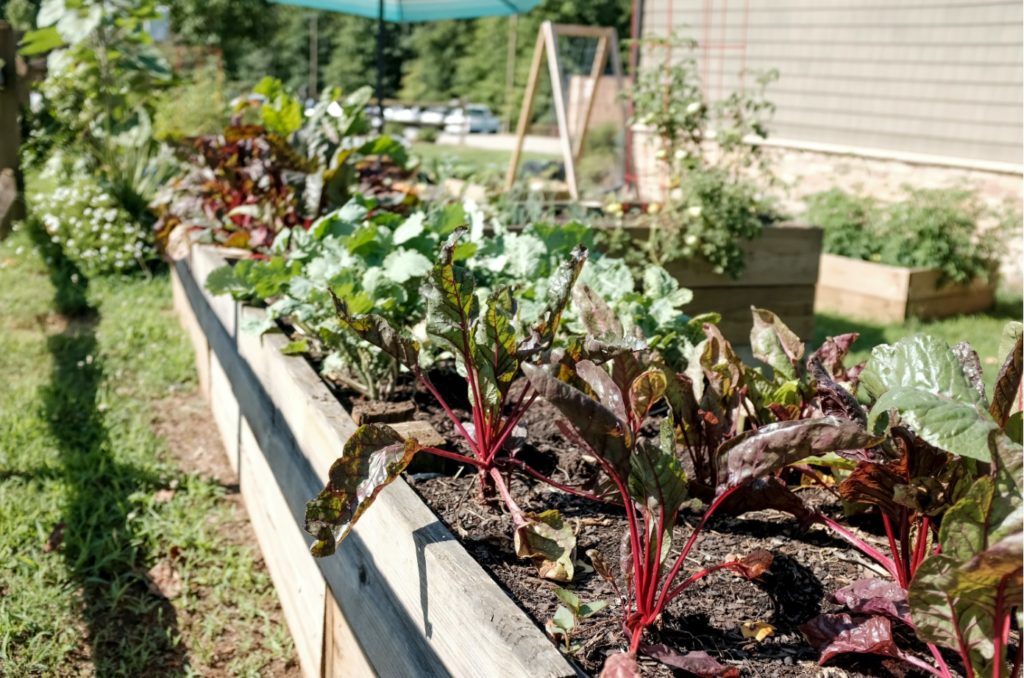
One of my favorite gardening practices is growing vegetables in raised beds—there’s something so rewarding about crafting a rich, contained soil mix and watching rows of peppers, tomatoes, and greens flourish! Raised beds warm up earlier in the spring than in-ground plots, giving you a head start on the growing season and providing superior drainage...
One of my favorite garden combinations has to be zucchini (Cucurbita pepo) and cucumbers (Cucumis sativus) growing side by side—there’s something so satisfying about seeing those large, textured leaves intertwine while pollinators buzz from flower to flower! Zucchini hails from the Americas, where Indigenous peoples cultivated it for centuries, while cucumbers trace their origins to...
Ever found yourself staring at a row of young corn seedlings and wishing you could do more than just watch them sway in the breeze? I’ve been there—eager for that first taste of sweet, homegrown corn but also keen to maximize my garden’s harmony. Companion planting invites us to think beyond single crops and view...
I still remember the first time I tucked a basil seedling next to a tiny tomato transplant—pure excitement bubbled up in my chest as I imagined the classic Caprese flavors ripening side by side! Growing tomatoes (Solanum lycopersicum, native to western South America) and basil (Ocimum basilicum, native to tropical regions of central Africa to...
I still remember the first time I mixed a generic “all-purpose” fertilizer into my tomato patch—my beloved heirloom Solanum lycopersicum (native to western South America) suddenly produced lush, dark-green leaves but no juicy fruits! It’s such a bummer when you follow a product’s instructions to the letter, only to watch your vegetables sulk in frustration....
I still remember my first gardening attempt in a plot so rocky and sandy, it felt more like a struggling desert than a vegetable bed. I’d dreamed of lush tomatoes and bell peppers, only to have seed after seed fail in that unforgiving dirt. It’s such a bummer when you pour your heart into planting,...
I remember the first time I set up a little container garden on my apartment balcony—thrilled to grow juicy cherry tomatoes despite limited space! But after a few scorching summers in plastic pots, I quickly realized that not all containers are created equal. It’s such a bummer when your tender plants suffer because the plastic...
It’s such a bummer when the summer heat makes your outdoor garden feel like a furnace, leaving delicate seedlings wilted and stressed. I know how frustrating it is to watch your carefully tended tomato plants (Solanum lycopersicum, native to western South America) sizzle under relentless sun, or to have bugs swoop in and nibble on...