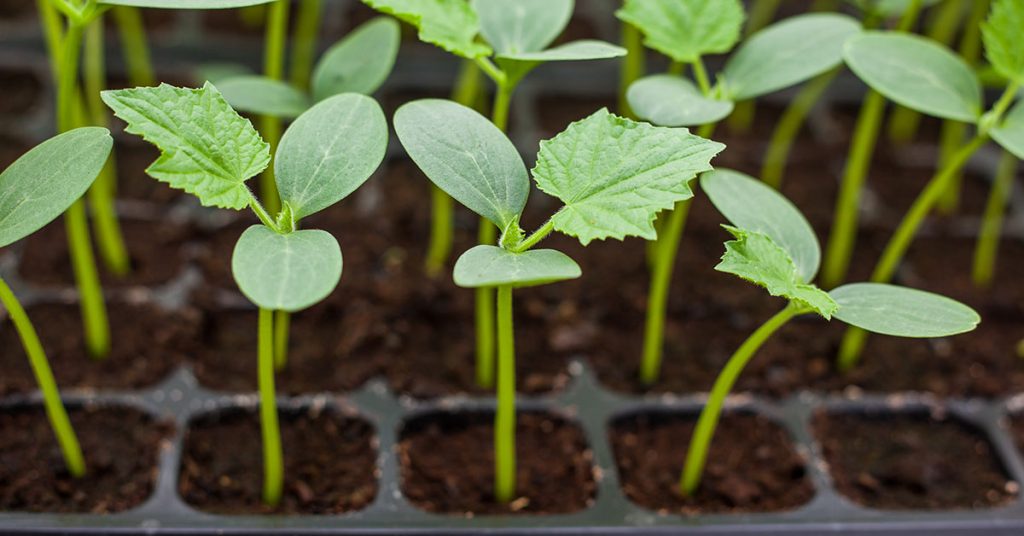
For gardening enthusiasts residing in Zone 2, where cooler temperatures and relatively short growing seasons prevail, cultivating cucumbers can be a rewarding challenge. The key to growing cucumbers in Zone 2 lies in knowing precisely when to plant these delightful vegetables. By mastering the optimal planting times and employing proven strategies, gardeners in this region...
Fruits And Vegetables
Living off grid is a term coined by Nick Rosen, an environmentalist. It’s defined as being independent of systems like utilities and other types of conveniences. Some consider it to be a sort of exile from society, others view it as being a more environmentally positive action, and technically, both are correct.
People who live off grid often have vastly simplified lifestyles. Buying stuff, convenience, and overconsumption take a back seat to more simplistic living. Lots of DIY, self improvement, and producing the things you need yourself.
Living off grid has numerous benefits. Off grid families tend to have a lower environmental footprint due to producing energy from clean tech sources like solar, less consumerism, and producing more food themselves. People who live off grid also experience a ton of personal satisfaction for the work they put in and what they get out.
Living off grid reportedly reduces stress and anxiety and improves health overall. The physical labor involved with off grid living is better for you than sitting at a desk in an office, and the food you grow yourself is often substantially healthier than what you would find in a grocery store.
Families who live off grid don’t just live frugally but can also make a little bit of money at it. Selling extra eggs, produce, and other things can help turn your off grid lifestyle into a net financial positive.
It’s not easy to be a fully off grid individual or family, but there are steps you can take to get you started without cutting off the world and living alone in a remote cabin.
For green-thumb enthusiasts residing in Zone 1, where harsh winters and short growing seasons often pose gardening challenges, successfully cultivating cucumbers may seem like a daunting task. However, with the right knowledge and careful planning, it is possible to grow cucumbers in Zone 1. Understanding the unique characteristics of Zone 1 and knowing when to...
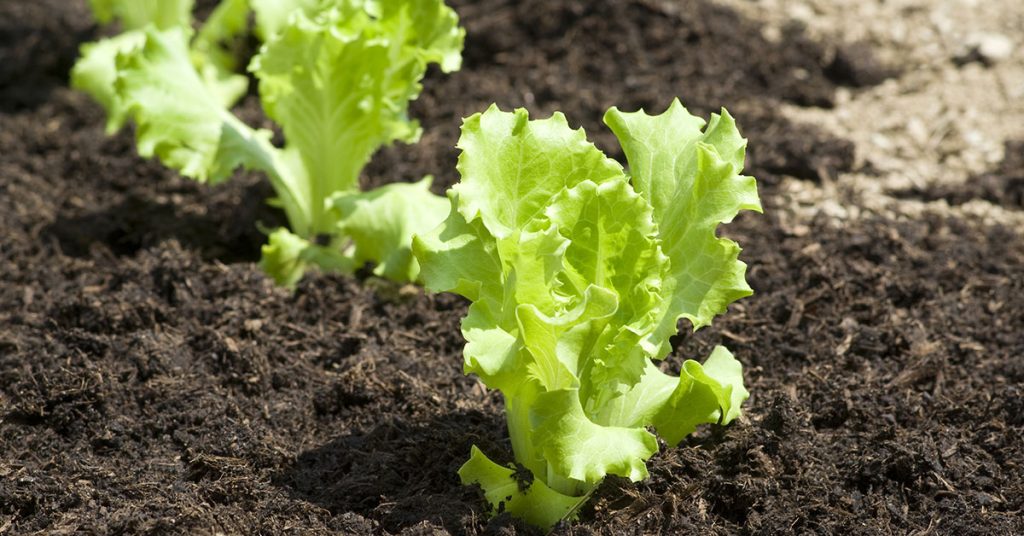
Hello, Arizona gardeners! While Arizona is known for its scorching summers, we can actually grow a range of cool-weather crops like lettuce during the cooler months. This article will take you through the key steps of planting lettuce in Arizona, including when to start your seeds, when to plant outdoors, and when to harvest your...
Welcome, Alaskan gardeners! Growing lettuce in your great state comes with unique challenges, but the rewards are substantial. This guide will walk you through the process of planting lettuce in Alaska, from starting seeds to harvesting your crisp, homegrown greens. Alaska’s Hardiness Zones Understanding Alaska’s hardiness zones is crucial for successful gardening. Alaska’s hardiness zones...
Aloha, fellow gardeners! If you’re yearning for a fresh, homegrown salad in the land of beautiful beaches and tropical sunsets, you’ve come to the right place. Growing lettuce in Hawaii, with its unique climate, requires a bit of finesse, but the results are absolutely worth it. So, let’s roll up our sleeves and dig into...
Kick back, relax, and let’s chat about growing some gorgeous greens right here in Washington State. If you love a good salad—and who doesn’t?—then you’ll enjoy the satisfaction of harvesting your own fresh lettuce. With the state’s diverse climate, we’ve got plenty of opportunities for a bountiful yield. Here’s your simple guide to planting lettuce...
So, you’re ready to grow some crisp and crunchy lettuce in Oregon, huh? Perfect. Nothing beats a home-grown salad, and with Oregon’s cool, coastal climate, lettuce feels right at home. Let’s take it step by step—no stress, no hurry—just you, the soil, and your future salads. Getting to Know Oregon’s Hardiness Zones First things first:...
Maine’s cooler climate makes it an ideal place for growing lettuce, a cool-season crop. Understanding Maine’s USDA hardiness zones can help you determine the optimal times for starting seeds, planting outdoors, and harvesting lettuce. In this article, we’ll do a deep dive on when to plant lettuce in Maine, including when to start seeds indoors...
Lettuce, a cool-season crop, grows well in Georgia’s varied climate. The key to maximizing your lettuce harvest in Georgia is understanding the state’s USDA hardiness zones and how they influence when to start seeds, when to plant outdoors, and when to harvest lettuce. This guide will provide guidance on planting lettuce in Georgia’s hardiness zones,...
Given its cool-season nature, it’s pretty easy to grow lettuce in California throughout much of the state. To maximize your lettuce growing success, it’s crucial to understand California’s USDA hardiness zones, which will guide you on when to start seeds, when to plant outdoors, and when to harvest. This guide provides detailed insights for lettuce...
Growing lettuce in Arkansas can be a rewarding endeavor given its suitability to the state’s varied climate. To accurately time planting lettuce in Arkansas, it is essential to understand the state’s USDA hardiness zones. This article will walk you through when to start seeds, when to plant outdoors, and when to harvest lettuce, considering Arkansas’s...
Growing lettuce in South Carolina, a cool-season crop, can be both enjoyable and rewarding. The key to your success will be understanding the state’s USDA hardiness zones and how they influence when to start seeds, when to plant outdoors, and when to harvest lettuce. This guide will help you navigate South Carolina’s hardiness zones, which...