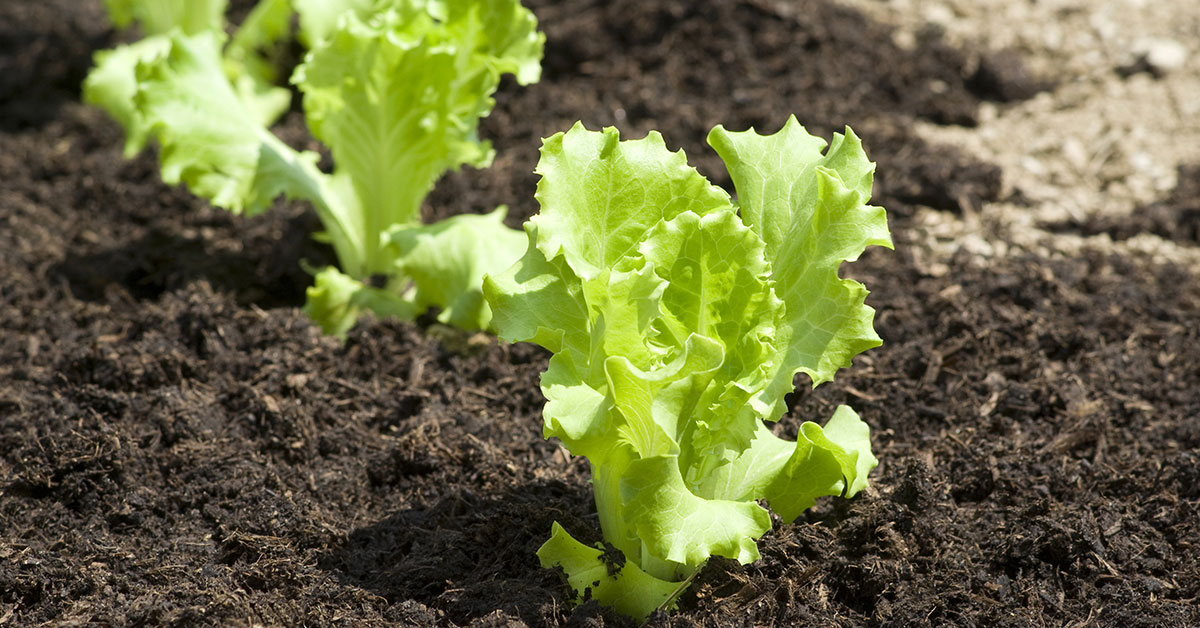

Maine’s cooler climate makes it an ideal place for growing lettuce, a cool-season crop. Understanding Maine’s USDA hardiness zones can help you determine the optimal times for starting seeds, planting outdoors, and harvesting lettuce. In this article, we’ll do a deep dive on when to plant lettuce in Maine, including when to start seeds indoors and when to harvest! Let’s dig in.
Understanding Maine’s Hardiness Zones
Maine spans a range of USDA Hardiness Zones from 3b to 6a:
- Zone 3b is found in the coldest, northernmost parts of the state, where winter lows can drop between -35 to -30 degrees Fahrenheit.
- Zone 4a to 4b covers a substantial part of northern and central Maine, with winter lows averaging between -30 and -20 degrees Fahrenheit.
- Zone 5a to 5b represents southern and coastal areas, where winter temperatures usually fall between -20 and -10 degrees Fahrenheit.
- Zone 6a, though a small area, can be found in the southernmost part of the state, where winter lows rarely drop below -10 degrees Fahrenheit.
Starting Lettuce Seeds Indoors
Given the state’s short growing season, starting lettuce seeds indoors is highly beneficial.
- In Zone 3b, start your seeds indoors around 8 to 10 weeks before the last expected spring frost, typically in late March to early April.
- In Zones 4a to 4b, seeds can be started indoors slightly earlier, usually in mid to late March.
- In Zones 5a to 5b, and the warmer Zone 6a, you can typically begin indoor seed starting in early to mid-March.
Plant the seeds about 1/4 inch deep in a high-quality seed-starting mix. Keep the soil consistently moist. The ideal temperature for germination is around 60-70 degrees Fahrenheit (15-21 degrees Celsius). Once sprouted, lettuce seedlings need ample light—around 12-14 hours per day.
When To Plant Lettuce In Maine
You should transplant seedlings or sow seeds directly into your garden after the risk of a hard frost has passed, and soil temperatures have warmed up.
- In Zone 3b, you can usually plant outdoors in late May to early June.
- In Zones 4a to 4b, outdoor planting can begin a bit earlier, typically in mid to late May.
- In the warmer Zones 5a to 6a, outdoor planting can begin in early to mid-May.
Select a location with good sunlight but with some protection from the intense afternoon sun. Space lettuce plants about 8 to 12 inches apart in consistently moist soil. Mulching can help retain soil moisture and suppress weeds.
Succession Planting Lettuce in Maine
Succession planting with lettuce involves sowing small batches of seeds at regular intervals to ensure a continuous harvest throughout the growing season. This method allows you to enjoy a steady supply of fresh lettuce without experiencing a surplus or shortage all at once. Here’s a step-by-step guide on how to do succession planting with lettuce:
- Determine your growing season: Find out the average number of days it takes for your chosen lettuce variety to reach maturity. This information is usually available on the seed packet or from reliable gardening resources.
- Plan your planting schedule: Consider the total length of your growing season and calculate the intervals at which you should sow new lettuce seeds. For example, if your lettuce variety takes 60 days to mature and you want a continuous supply, you might decide to sow new seeds every two weeks.
- Prepare the soil: Prior to sowing, prepare the soil by removing any weeds, breaking up clumps, and enriching it with compost or well-rotted organic matter. Lettuce prefers loose, well-draining soil.
- Sow the first batch of seeds: Plant your first batch of lettuce seeds according to the instructions provided on the seed packet. Make sure to follow the recommended spacing between plants to allow for proper growth.
- Monitor and care for the seedlings: Keep an eye on the seedlings as they emerge and provide appropriate care. This includes regular watering, mulching to conserve moisture and suppress weeds, and protecting them from pests if necessary.
- Sow subsequent batches: As the first batch of lettuce plants starts to mature, sow the next batch of seeds following the same spacing and planting depth. Repeat this process at the intervals you determined in step 2.
- Harvest and repeat: Begin harvesting lettuce leaves from the mature plants as they reach the desired size. Take care not to uproot the entire plant unless you plan to use it entirely. Continue harvesting mature plants as needed, while new batches are growing.
- Extend the growing season: To extend the growing season, you can use techniques such as providing shade or using cold frames or row covers to protect lettuce from extreme temperatures. This can allow you to continue succession planting well into the fall or even winter in some regions.
By following this succession planting method, you can enjoy a continuous supply of fresh lettuce throughout the growing season, ensuring a steady harvest of this delicious and nutritious leafy green.
When to Harvest Lettuce in Maine
Lettuce can be harvested at various growth stages. For leaf lettuce, you can begin harvesting when the leaves are large enough to eat, typically about 4-5 weeks after planting. You can either pick individual leaves from the plant or cut the entire plant at the base, which may encourage a second growth.
For head lettuce varieties like iceberg or romaine, harvesting usually happens around 60 to 70 days after planting when the heads have formed and feel firm.
Remember, lettuce can bolt or go to seed in high temperatures, resulting in bitter leaves. To prevent this, harvest lettuce during the cooler parts of the day, and increase harvesting frequency as temperatures rise.
In conclusion, understanding your specific hardiness zone and timing your planting and harvesting accordingly will lead to a successful lettuce