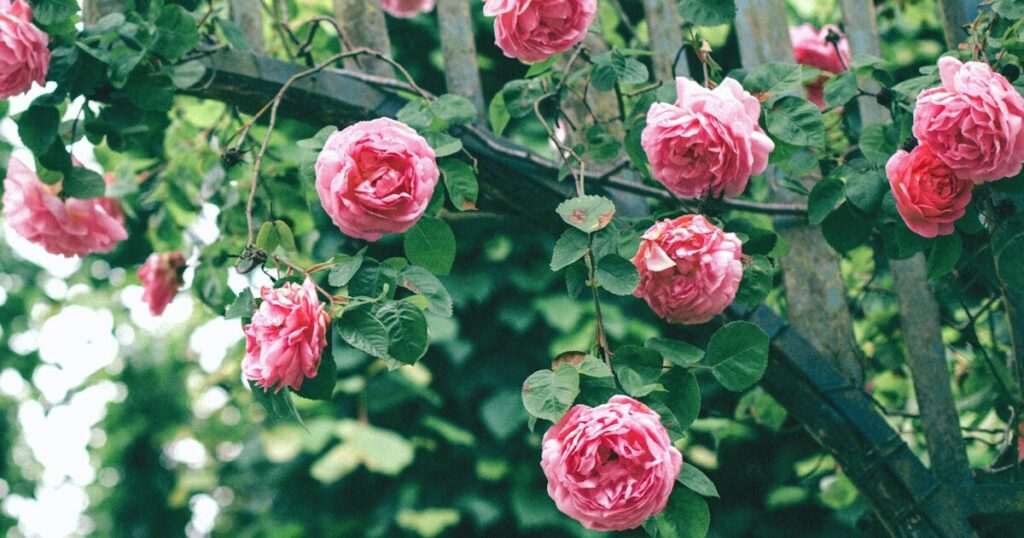
There’s nothing quite like the sight of roses greeting you—and your guests—at the front door! Roses (genus Rosa) have enchanted gardeners for millennia, prized for their stunning blooms, intoxicating fragrance, and rich symbolism. Whether you choose heritage species roses native to Europe and Asia or modern hybrids, planting them by your entryway turns an everyday...
Flowers And Houseplants
Staying up to date with gardening news will help you get the most out of your gardening experience. It’s important to know what’s happening in the world of gardening news. Cities, states, and countries are often changing the laws surrounding urban gardens. If your town bans front yard gardens, that’s important news for you, isn’t it?Understanding what’s happening in the world of biotech innovation, food supply systems, and other current events is informative and important for your garden at home. If there’s a seed shortage or a new breed of chicken to know about, we’re your source of information about it. If laws have changed about pesticides, or there’s a new chemical you need to avoid at all costs, we’ll let you know about it right away.
Setting up a garden is one of the most important things that you can do, especially when things feel shaky, scary, or uncertain. Gardens are immune to economic downturns or global crises. As long as the sun shines, rain falls, and the soil is healthy and nutritious, plants will grow. They don’t care too much about politics or economics.
Staying up to date on gardening news will give you an edge over your fellow gardener and provide you with all the information you need to have the most bodacious, productive, and healthy garden on the block. We don’t encourage unhealthy competition, but when one garden does well, others will follow suit. And that’s something we can definitely get behind!
Stay up to date with all of the day’s gardening news.
Gardening is full of delightful surprises—and sometimes head-scratching mysteries—especially when your flower beds become impromptu breeding grounds! Cross-pollination happens when pollen from one variety fertilizes the flowers of another, creating seeds that sprout offspring with mixed traits. Whether you’re saving seeds for next season’s displays or simply curious about what your garden bees are up...
Silver lace vine (Fallopia baldschuanica) is one of my favorite climbers for quickly transforming a plain fence into a flowery tapestry. Native to the mountainous regions of China and Central Asia, this vigorous vine produces clouds of fragrant, white to pale-pink blooms from late summer into fall. While it’s praised for its rapid coverage, it...
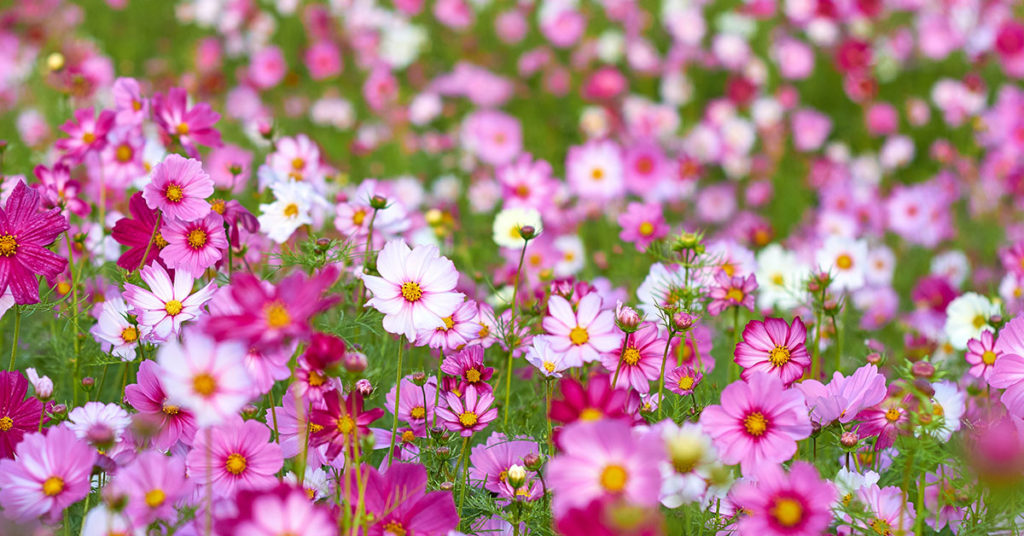
Cosmos flowers are one of my favorite summer delights—their daisy-like blooms in shades of pink, white, and fiery orange seem to dance on graceful, ferny foliage! Native to the highlands of Mexico, Cosmos bipinnatus (and its cousin C. sulphureus) have naturalized in gardens around the world. While not typically invasive, they’ll happily self-seed if you...
Zinnias are one of the most joyful flowers you can grow—those brilliant, daisy-like blooms in every hue imaginable truly brighten a summer garden! Native to Mexico and Central America, Zinnia elegans and its relatives have been delighting gardeners since pre-Columbian times. While they aren’t considered invasive in most regions, they can self-seed vigorously if spent...
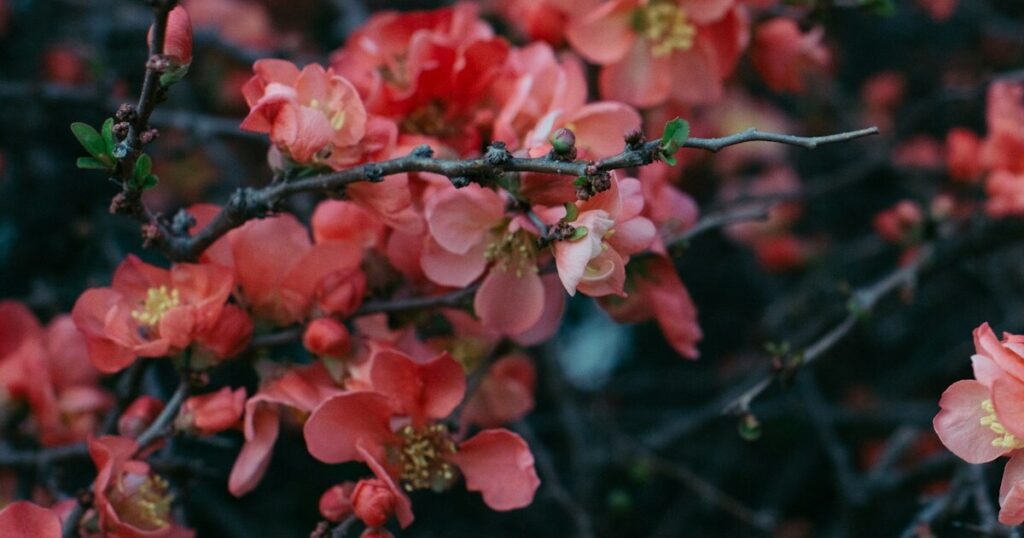
Bee quince bushes are simply enchanting when they burst into bloom—those vivid coral, pink, or white flowers create a picture-perfect spring display! Native to eastern Asia, particularly China and Japan, Chaenomeles species have long graced temple gardens and cottage borders alike. As a gardener, I’m always amazed at how these hardy shrubs can transform a...
Bee balm is one of my favorite perennials to grow—its vibrant red, pink, or purple blooms instantly light up any garden bed! Native to eastern North America, Monarda species have long attracted hummingbirds, butterflies, and a buzzing brigade of native bees that sometimes nest right among their sturdy stems. It’s such a bummer, though, when...
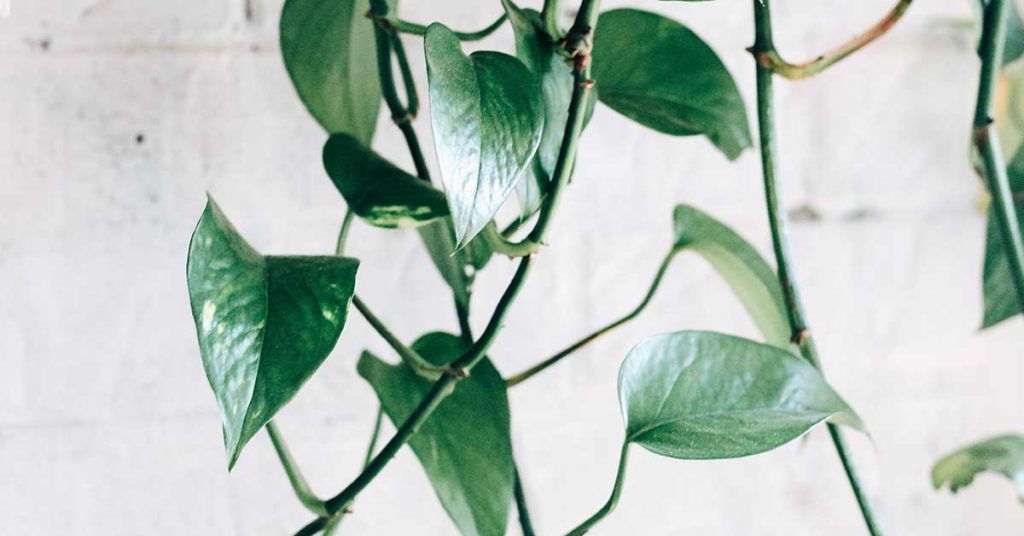
I’m so excited you’re exploring vining plants to grace your indoor spaces! Vines bring a lush, dynamic feel—trailing tendrils softening shelves, spilling from hanging baskets, or climbing up a moss pole. These adaptable climbers hail from diverse corners of the world—tropical rainforests, arid scrublands, and steamy mountaintops—and many have naturalized beyond their native ranges, though...
English ivy (Hedera helix) hails from the woodlands of Europe and western Asia, where it thrives under a forest canopy with dappled light and well-drained soils. In its native range, ivy provides nectar-rich flowers in late autumn that are a magnet for pollinators, and its dense foliage offers nesting sites for small birds and beneficial...
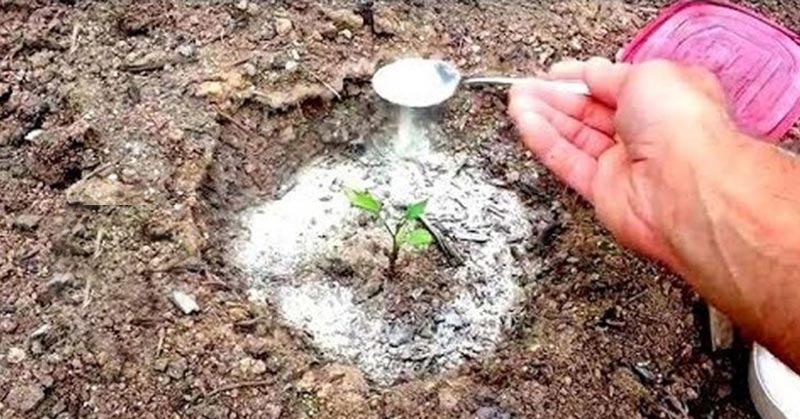
I’m so excited to dive into the surprising ways a humble box of baking soda can be your secret weapon in the garden! Sodium bicarbonate isn’t just for baking cookies—it’s a gentle fungicide that helps control powdery mildew, a soil amendment that can nudge pH upward for certain acid-sensitive blooms, and even a slug-repellent barrier...
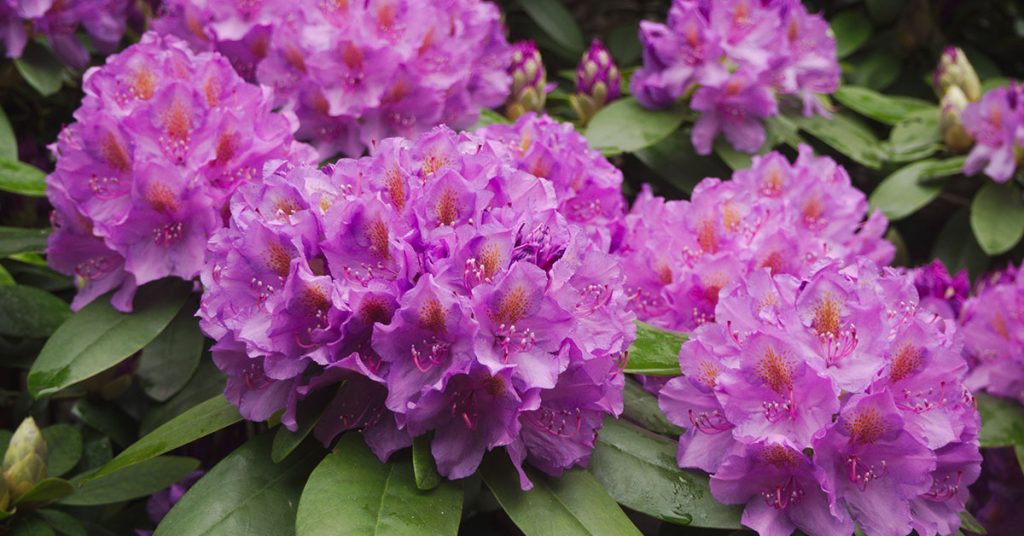
Rhododendrons (Rhododendron spp.) are a gardener’s dream, offering spectacular trusses of bell-shaped flowers that range from pure white to deep magenta. Native to the temperate woodlands of Asia, North America, and Europe, these evergreen shrubs thrive in acidic, well-draining soils that mirror their forest-floor origins. Though they’re rarely invasive when planted in the right conditions,...
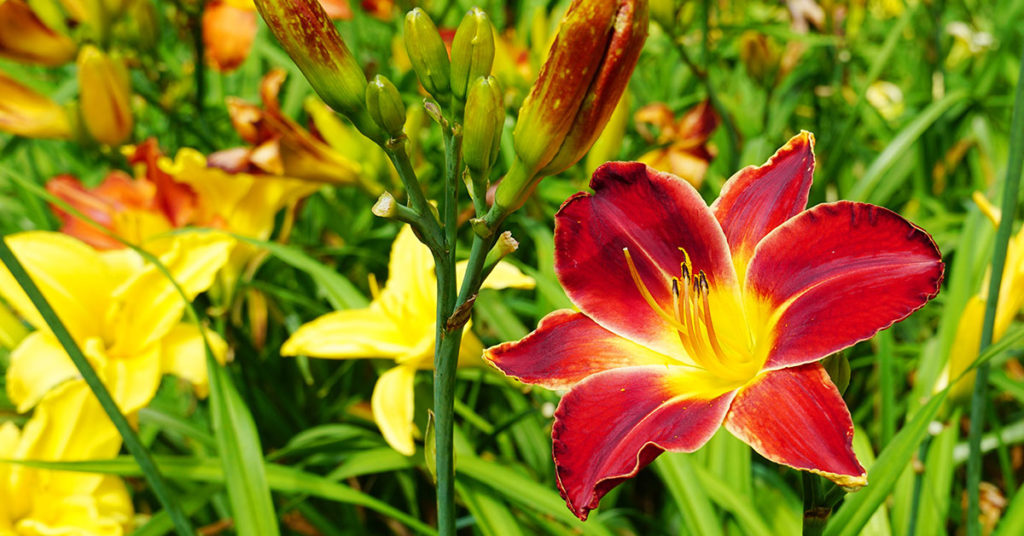
I’m so excited to share companion ideas that will make your daylily beds burst with color and brimming with beneficial wildlife! Daylilies (Hemerocallis spp.) hail from Asia—China, Korea, and Japan—and have naturalized across many temperate regions, where they form clumps of arching foliage and trumpet-like blooms. While some gardeners worry about invasiveness, most garden cultivars...