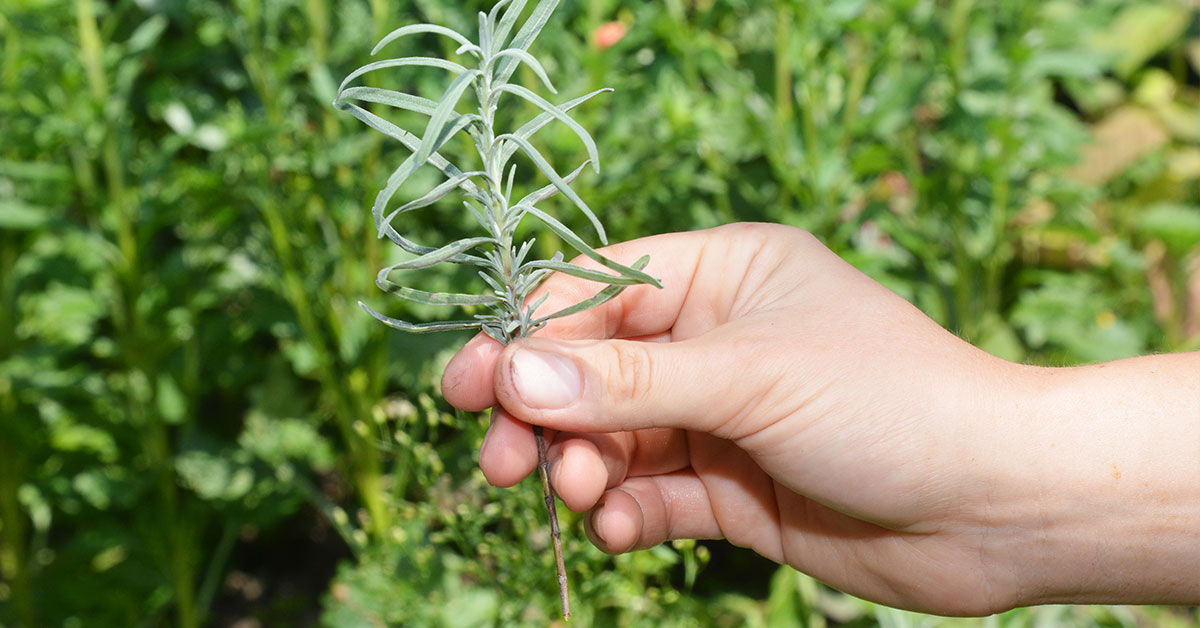

Lavender is one of the most popular and versatile herbs to grow in your garden. Not only does it have a beautiful scent and attractive bloom, but it’s also easy to propagate and share with friends and family. We’ll discuss the best method how to propagate lavender from cuttings. You’ll be able to enjoy this wonderful herb in your garden for many years to come.
Uses For Lavender
Lavender is a popular choice for growing in gardens, due to its relaxing scent and vivid purple color. This fragrant plant is known for its many uses in cooking, health, and beauty products. Additionally, can be used as a natural insect repellent. Lavender is easy to grow and maintain and is a great choice for novice gardeners and seasoned green thumbs alike. The blooms of the lavender plant are also known to attract butterflies and bees, making it a great addition to any garden. Lavender is also a great choice for those who are looking to reduce their environmental impact. This is due to it requiring little to no water and chemicals to thrive.
People propagate lavender for these benefits, but also for its ornamental value. Lavender is an easy plant to grow, and its beautiful purple flowers make it a great addition to any garden. People often propagate lavender for its calming, relaxing scent, which has been proven to reduce stress and anxiety. It is also known for its antibacterial and antifungal properties. Which can help to keep gardens and homes free of pests. Lavender is one of the most versatile and beneficial herbs, and its popularity will continue to grow as more people discover its many uses.
Is It Time To Propagate My Lavender?
Propagating lavender is important to ensure a healthy and abundant supply of this beloved plant. Lavender is an incredibly versatile plant, with essential oils providing a multitude of medicinal, culinary, and aromatic uses. Propagating lavender can help to maintain the genetic diversity of the species. Additionally, it can also help to preserve the traditional cultivars of lavender. Propagation can also help to spread the plants to new areas. This can help increase their potential range and help to ensure their continued survival. Additionally, propagating lavender can be a great way to share this beautiful plant with friends and family, allowing them to experience the joys of growing their own lavender.
The best time to propagate lavender is in early spring or late summer. Lavender is best propagated by taking stem cuttings from the mother plant. This should be done in the early spring when the mother plant is actively growing. Late summer is also a good time to propagate lavender as the temperatures are warm, and the cuttings will root quickly. If propagating in late summer, it is important to keep the cuttings moist until they have had time to establish a strong root system. Lavender can be propagated in containers or directly in the ground, and both methods are successful with the right care
How To Propagate Lavender From Cuttings
Propagating lavender from cuttings is an easy and effective way to increase the number of lavender plants in your garden. Begin by selecting healthy, non-flowering stems from the current season’s growth. Cut the stems just below a leaf node and remove the lower leaves. Dip the cut end of the stem into a rooting hormone, and then place the stem in a pot of moistened, sterile potting mix. Cover the pot with a plastic bag to maintain humidity, and place the pot in a bright location, but out of direct sunlight. Water the soil as needed, and in 4-6 weeks, roots will form, and the lavender cuttings will be ready to transplant.
Propagating lavender can be a rewarding experience and the right soil is essential for success. An ideal soil mix is one that is well-draining and contains a combination of organic material, such as compost, and a mineral-based soil amendment, such as pumice or perlite. The soil should also have a slightly acidic pH, between 6.0 to 6.5, for optimal growth. Before planting, it is important to aerate the soil and ensure that the roots are able to spread out and take hold. Additionally, adding a layer of mulch over the soil helps to retain moisture and keep weeds at bay.
Providing Aftercare
Providing aftercare for propagated lavender is relatively straightforward. For the first few weeks, it is important to keep the soil moist, but not wet. A good way to do this is to water once a week and make sure the soil is damp but not soggy. It is also important to make sure the lavender is in a sunny spot, ideally with six to eight hours of direct sunlight each day. Lavender will also benefit from being fertilized every few weeks with a liquid fertilizer. To encourage bushier growth, be sure to trim the lavender back once it has grown to a few inches tall. Finally, make sure to spray the plants with insecticidal soap to prevent any potential pests or diseases. With the right care, the lavender should be healthy and blooming in no time.
Pests and diseases can be a major threat to propagated lavender. Common pests such as aphids, mites, and whiteflies can cause damage to the foliage and flowers. Additionally, fungal diseases like powdery mildew, root rot, and leaf spot. This can cause weakened growth, distorted leaves, and decreased yields of essential oils. To prevent these issues, lavender should be planted in well-drained soil, kept away from standing water, and monitored for signs of pests and diseases. Regular applications of insecticidal soap or neem oil can be used to control pests. Furthermore, fungal diseases can be treated with a fungicide.
How To Prune Lavender
Pruning lavender is an important part of maintaining healthy, productive plants. When pruning, it is important to remember that lavender is a woody shrub and should be pruned like one. Start by removing any dead, damaged, or diseased branches. Then remove any shoots that are growing outward instead of upward. Finally, trim off any branches that are too long or crowding other branches. Pruning should be done in late winter or early spring to promote new growth and flowering. Keep in mind that lavender plants do not need to be pruned back severely; simply removing any dead, diseased, or overcrowding branches is enough to keep your plants healthy and productive.