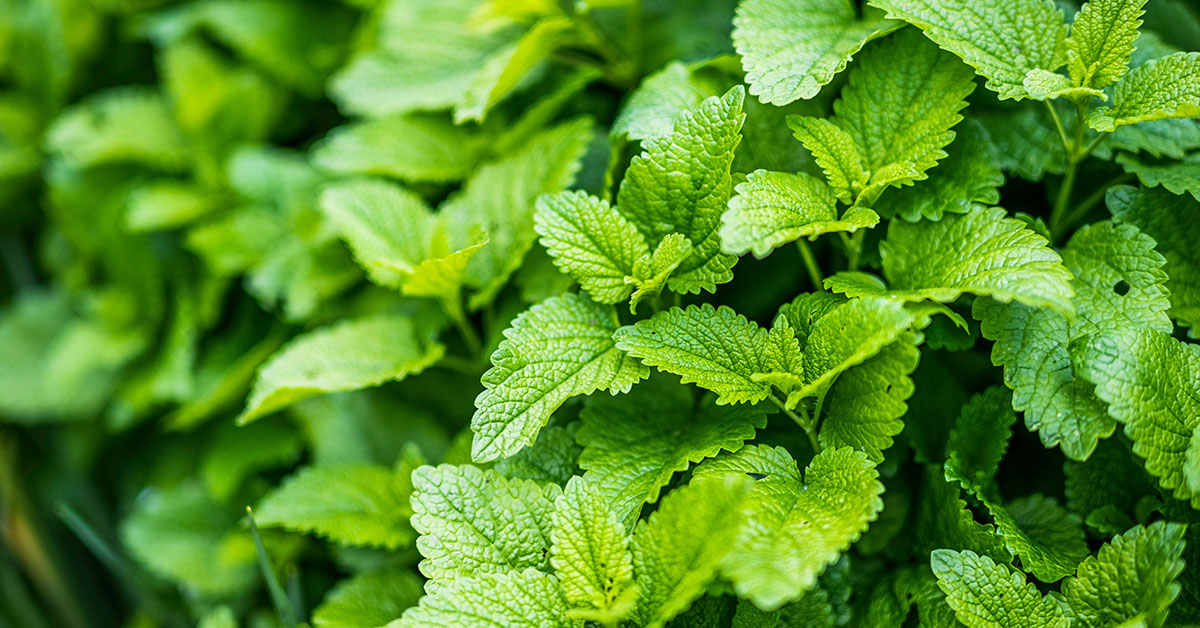

If you’re looking for companion plants to pair with your lemon balm, you’ve come to the right place. Lemon balm is a popular plant in gardens due to its pleasant scent and attractive foliage. It’s also easy to care for, making it a great choice for any type of garden. When choosing companion plants for your lemon balm, it’s important to consider their compatibility and how they will work together to create a harmonious garden. In this article, we will discuss some of the best companion plants for lemon balm and how they can help your garden flourish.
The Best Companion Plants For Lemon Balm
Planting companion plants with lemon balm is a great idea because it can help to deter pests, increase pollination, and improve soil health. Companion plants can help to attract beneficial insects, such as ladybugs, which can naturally ward off damaging pests. Additionally, companion plants that attract beneficial insects can also increase pollination in the garden. Finally, companion plants can help to add nutrients to the soil, creating a healthier environment for the lemon balm to grow and thrive. These are 10 of the best plants you can use as companion plants for lemon balm.
Anything From The Cabbage Family
Cabbage family plants are excellent companion plants for lemon balm. These hardy plants are known for their ability to repel many garden pests, including aphids and whiteflies. In addition, they also provide nitrogen-rich mulch to the soil. Which helps to nourish the lemon balm and other nearby plants. The cabbage family also grows quickly and provides shade and protection for the lemon balm. Which needs some shelter from the sun in order to thrive. Finally, the cabbage family plants can be harvested for use in many dishes, making them a valuable addition to any garden.
Tomatoes
Tomatoes and lemon balm are a great combination for companion planting. They provide a tall structure for the lemon balm to grow up and around, while their strong scent deters some insect pests. The lemon balm in turn helps to repel tomato hornworms and other pests, as well as providing a pleasant aroma. Tomatoes also benefit from the lemon balm’s ability to attract beneficial insects, like pollinators and predators of tomato pests. Planting these two together can result in a beautiful, productive garden with fewer pest problems.
Onions
Onions are an excellent companion plant for lemon balm. They can deter pests and attract beneficial insects to the garden. Which helps protect the lemon balm from damage. Onions also have natural fungicidal properties, which can help to protect lemon balm from fungal diseases. Additionally, they also have a strong scent which can help to mask the scent of the lemon balm. Making it less attractive to pests. Onions also provide a great source of nutrients to the soil, which can help the lemon balm to thrive. For these reasons, growing onions in the garden alongside lemon balm plants are highly recommended.
Winter And Summer Squash
Winter and summer squashes make wonderful companion plants for lemon balm, as they not only provide a tasty addition to the garden but also help to repel pests that may be attracted to the lemon balm. The squash plants will also provide shade and protection from the wind for the delicate lemon balm leaves. Growing winter and summer squashes alongside lemon balm is a great way to ensure a bountiful, healthy garden.
Melons
Melons and lemon balm make great companion plants. Both are annual plants that are easy to grow and require similar amounts of sun and water. Melons help to shade out weeds, while their spreading vines create a natural mulch that helps to retain moisture in the soil. The lemon balm, meanwhile, is an herb that produces a pleasant scent when its leaves are crushed. It is said to help repel pests from other plants and can make a great addition to any garden. Growing melons and lemon balm together can make for a vibrant and productive garden.
Fennel
Fennel is an excellent companion plant for lemon balm. This plant helps to repel pests that may otherwise harm the lemon balm, and its strong aroma is said to help the lemon balm thrive. Fennel also provides much-needed shade from the sun for the lemon balm, which helps keep the soil moist and protects the lemon balm from the harshness of the sun. The fennel’s deep root system also helps to keep the soil moist and healthy. In addition, the fennel’s bright yellow flowers are a beautiful addition to any garden and will attract beneficial bees and other pollinators. Fennel is an excellent companion for lemon balm and will help it thrive in any garden.
Basil
Basil is a great companion plant for lemon balm. Its strong scent can help repel pests such as aphids and whiteflies, while its lush foliage helps to provide shade for the more delicate lemon balm. Additionally, basil is easy to grow and requires little maintenance. It is an excellent choice for gardeners looking for a fast and easy solution to pest control. Furthermore, the combination of the two plants is aesthetically pleasing and can be used to add a touch of color to any garden.
Sage
Sage is an excellent companion plant for lemon balm. Sage is a hardy, fast-growing plant that can reach up to two feet tall and four feet wide. It has fragrant, silvery-green foliage and small, blue-purple flowers. It is also a great source of nectar for pollinators like bees and hummingbirds. When planted near lemon balm, sage helps to keep the soil moist and well-drained, while its strong aroma can help to repel pests. It can also help to protect lemon balm from frost damage. Sage is an easy-to-grow, low-maintenance plant that can provide a beautiful backdrop to any garden.
Rosemary
Rosemary is a great companion plant for lemon balm, providing a number of benefits. For one, it helps to repel garden pests such as aphids and slugs, while also providing a barrier to keep them away from the lemon balm. It also acts as a natural fertilizer, providing essential nutrients to the soil and lemon balm alike. Finally, the two herbs have a great aroma when planted together, creating a pleasant scent in the garden. Rosemary is a great companion plant for lemon balm because of its pest-repelling properties, fertilizer potential, and pleasant scent.
Most Blooming Flowers Make Good Companion Plants For Lemon Balm
For those looking to make the most of their herb garden, a blooming flower is a great companion plant for lemon balm. The fragrant flowers of marigold, lavender, or rosemary can bring out the flavor of the lemon balm while adding a splash of color to the garden. These blooming companions also attract beneficial insects like bees and butterflies, helping to create a healthy garden ecosystem.
Any blooming flower is a great companion plant for lemon balm as it helps to attract pollinators, such as bees and butterflies, to the garden. The flowers also provide visual contrast and can help to make the lemon balm stand out. The flowers will also provide a source of nectar and pollen for the pollinators, which can help to increase the yield and quality of the lemon balm. Additionally, companion plants, such as blooming flowers, can help to prevent the spread of disease and pests by creating a diverse garden environment. The presence of the blooming flowers can also help to enhance the overall beauty of the garden and make it more inviting.