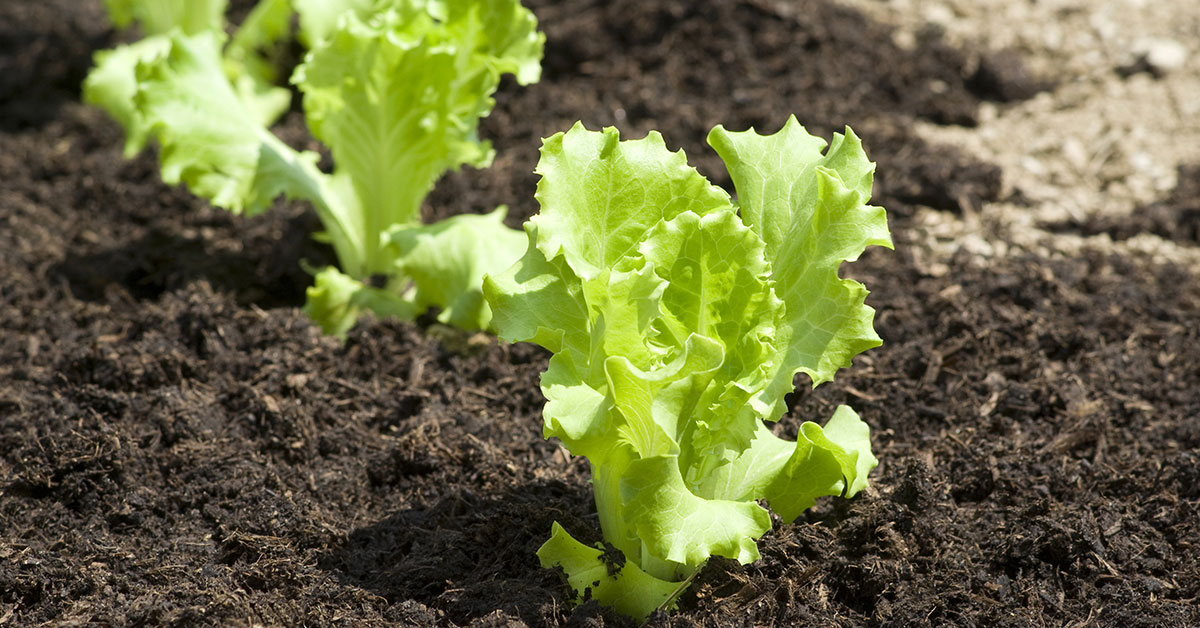

Are you an avid gardener in Idaho looking to grow your own lettuce? Well, you’re in luck because in this article, we will guide you on the optimal time to plant lettuce in Idaho. Whether you’re a seasoned gardener or a beginner, knowing when to plant your lettuce can make all the difference in ensuring a successful and bountiful harvest.
With Idaho’s unique climate and growing conditions, it’s important to understand the best timing for planting lettuce to maximize your chances of a thriving crop. So, let’s dive in and discover the ideal time to get those lettuce seeds in the ground!
Best lettuce varieties for Idaho gardens
When it comes to growing lettuce in Idaho, choosing the right varieties is essential for success. The climate and growing conditions in Idaho can vary greatly depending on the region, so it’s important to select lettuce varieties that are well-suited to the state’s unique environment. Here are some of the best lettuce varieties to consider for your Idaho garden:
- Iceberg Lettuce: Iceberg lettuce is a popular choice for many gardeners in Idaho due to its crisp texture and mild flavor. This variety is known for its tightly-packed, round heads, which make it great for salads and sandwiches. Iceberg lettuce is also quite resistant to cold temperatures, making it a reliable choice for Idaho’s cooler climate.
- Romaine Lettuce: Romaine lettuce is another excellent option for Idaho gardens. This variety is characterized by its elongated heads and sturdy leaves. Romaine lettuce is known for its slightly bitter taste and is often used in Caesar salads and wraps. It can tolerate a wide range of temperatures, including cooler conditions, making it a versatile choice for Idaho’s unpredictable weather.
- Butterhead Lettuce: Butterhead lettuce, also known as Boston or Bibb lettuce, is a popular choice for its tender leaves and mild flavor. This variety forms loose heads with soft, buttery-textured leaves that are perfect for salads. Butterhead lettuce prefers cooler temperatures, making it an ideal choice for Idaho’s spring and fall growing seasons.
- Loose-Leaf Lettuce: If you’re looking for a variety that is easy to grow and provides a continuous harvest, consider planting loose-leaf lettuce. This type of lettuce does not form heads but instead produces loose, flavorful leaves that can be harvested as needed. Loose-leaf lettuce comes in various colors and textures, adding visual interest to your garden while providing a delicious addition to your salads.
- Crisphead Lettuce: Crisphead lettuce, also known as buttercrunch or head lettuce, is a popular choice for those who enjoy a crunchy texture. This variety forms tight, compact heads with crisp leaves that are perfect for salads and sandwiches. Crisphead lettuce requires cooler temperatures and consistent watering, making it well-suited to Idaho’s climate.
When selecting lettuce varieties for your Idaho garden, it’s important to consider factors such as temperature tolerance, flavor preferences, and harvesting goals. By choosing the right varieties, you can enjoy a bountiful harvest of fresh, flavorful lettuce throughout the growing season.
When to plant lettuce in Idaho
Idaho, known for its breathtaking landscapes and abundance of agricultural opportunities, is a great place to grow lettuce. Whether you’re an experienced gardener or just starting out, understanding the optimal time to plant lettuce in Idaho is crucial. In this section, we will explore the USDA hardiness zones in Idaho and discuss the best time to sow lettuce seeds or transplant seedlings.
Before diving into the specifics, it’s important to have a basic understanding of USDA hardiness zones. These zones provide essential information about the average annual extreme minimum temperature in a given area. By knowing your zone, you can determine which plants are most likely to thrive in your region.
Idaho is divided into several USDA hardiness zones, ranging from Zone 4b in the northern parts of the state to Zone 7b in the southern regions. These zones are based on the average winter temperatures and help gardeners determine the best time to plant various crops, including lettuce.
In general, lettuce is a cool-season crop that prefers temperatures between 45°F and 75°F (7°C to 24°C). The ideal time to plant lettuce in Idaho largely depends on your specific hardiness zone. Let’s take a closer look at the recommended planting periods for each zone:
Zone 4b and 5a: The planting season for lettuce in these colder zones typically begins in early spring, around late March or early April. Consider using row covers or other protective measures to extend the growing season into the fall.
Zone 5b and 6a: In these zones, lettuce can be planted as early as mid-April, but it’s important to monitor the weather for any unexpected frosts. You can also consider planting a second crop in late summer or early fall for a continuous harvest.
Zone 6b and 7a: Lettuce can be planted as early as mid-March in these milder zones. With proper care and protection, you can extend the growing season well into the fall.
Regardless of your zone, here are some general tips to ensure successful lettuce planting:
- Soil preparation: Prepare your soil by loosening it with a garden fork or tiller and incorporating organic matter, such as compost or well-rotted manure.
- Sowing seeds: Sow lettuce seeds directly into the garden bed or start them indoors four to six weeks before the last expected frost date. Thin the seedlings to allow proper spacing for growth.
- Transplanting seedlings: If you prefer to start with seedlings, transplant them into well-prepared soil when they have at least two to three true leaves.
- Watering and mulching: Keep the soil consistently moist but not waterlogged. Mulching around the plants can help retain moisture and suppress weed growth.
Knowing your USDA hardiness zone is key to determining when to plant lettuce in Idaho. By following the recommended planting periods for your specific zone, you can maximize your chances of a successful lettuce harvest. Remember to monitor the weather conditions and provide proper care throughout the growing season. With a little effort and attention, you’ll be enjoying fresh, homegrown lettuce in no time.
When to harvest lettuce in Idaho
If you’re growing lettuce in Idaho, it’s important to know the best time to harvest your crop. Harvesting lettuce at the right stage ensures that you enjoy its fresh, crisp taste and maximize its nutritional value. Here are some guidelines to help you determine when to harvest your lettuce in Idaho.
- Pay attention to the maturity dates: Lettuce varieties have different maturity dates, which indicate the approximate time it takes for the plants to reach harvestable size. Check the seed packet or plant label for this information. Most lettuce varieties mature within 45 to 60 days, but some can be ready for harvesting as early as 30 days.
- Observe the plant’s size: Lettuce plants should reach a certain size before being harvested. Generally, the leaves should have grown to at least 3-4 inches in length. However, this can vary depending on the lettuce variety you’re growing. If you’re unsure, it’s better to wait a little longer than to harvest too early.
- Check the leaf color and texture: The color and texture of the lettuce leaves can be good indicators of its readiness for harvest. Look for leaves that are vibrant green and have a smooth, tender texture. Avoid harvesting lettuce with yellow or brown leaves, as this may indicate aging or disease.
- Conduct a taste test: One of the best ways to determine if your lettuce is ready for harvest is by tasting it. Pick a few leaves from different plants, wash them, and give them a try. If the flavor is mild, sweet, and pleasing, it’s a good sign that the lettuce is ready to be harvested. If the taste is bitter or overly strong, it may be a sign that the lettuce needs more time to mature.
- Consider the weather: The weather conditions in Idaho can affect the growth and quality of lettuce. Extreme heat or prolonged periods of rain can cause lettuce to bolt or become bitter. In such cases, it’s best to harvest the lettuce earlier than usual to ensure better taste and texture.
- Harvest in the morning: For the best flavor and crispness, it’s recommended to harvest lettuce in the morning when the leaves are still cool and hydrated. Avoid harvesting lettuce during the hottest part of the day, as this can cause the leaves to wilt and lose their freshness.
By following these guidelines, you can ensure that your lettuce crop in Idaho is harvested at the optimal time. Remember, it’s always better to harvest slightly later than to harvest too early, as you can always enjoy younger leaves as baby lettuce in salads. Happy harvesting!
Other considerations for growing lettuce in Idaho
When it comes to growing lettuce in Idaho, there are several factors to consider beyond just the basic requirements of sunlight, water, and soil. In this section, we will explore some other important considerations that can greatly impact the success of your lettuce crop.
- Temperature and Climate: Idaho’s climate can vary significantly depending on the region. It is important to choose lettuce varieties that are well-suited to the local climate conditions. Lettuce prefers cooler temperatures and does not tolerate extreme heat well. Look for varieties that are heat-tolerant or suitable for cooler climates. Additionally, consider using shade cloth or providing some shade during hot summer days to protect the lettuce from scorching.
- Watering and Irrigation: Proper watering is crucial for lettuce growth and development. Adequate moisture is necessary to prevent the lettuce from becoming bitter or bolting (prematurely flowering and going to seed). Irrigate consistently and evenly, aiming to keep the soil moist but not waterlogged. Drip irrigation or soaker hoses are ideal for providing a steady supply of water directly to the roots while minimizing water waste.
- Soil Quality: Lettuce thrives in well-draining soil that is rich in organic matter. Before planting, ensure that the soil is loose, crumbly, and free from clumps. Incorporate compost or well-rotted manure to improve soil fertility and structure. Regular soil testing can help you determine if any amendments, such as lime or sulfur, are needed to adjust the pH level for optimal lettuce growth.
- Pest and Disease Management: Like any crop, lettuce is susceptible to various pests and diseases. Common pests that can affect lettuce in Idaho include aphids, slugs, and snails. Implement integrated pest management practices, such as using organic insecticides or introducing beneficial insects, to control pest populations. Additionally, practicing crop rotation and maintaining proper plant spacing can help reduce the risk of disease outbreaks, such as lettuce mosaic virus or downy mildew.
- Season Extension Techniques: To enjoy fresh lettuce for an extended period, consider implementing season extension techniques. This can include using row covers or cold frames in early spring or late fall to protect the lettuce from frost and extend the growing season. Additionally, growing lettuce in containers or raised beds can make it easier to control the growing environment and potentially extend the season further.
By considering these additional factors when growing lettuce in Idaho, you can increase your chances of a successful harvest. Remember to choose suitable lettuce varieties, provide adequate water and irrigation, optimize soil quality, manage pests and diseases, and explore season extension techniques. With careful planning and attention, you can enjoy a bountiful supply of fresh, homegrown lettuce throughout the growing season.