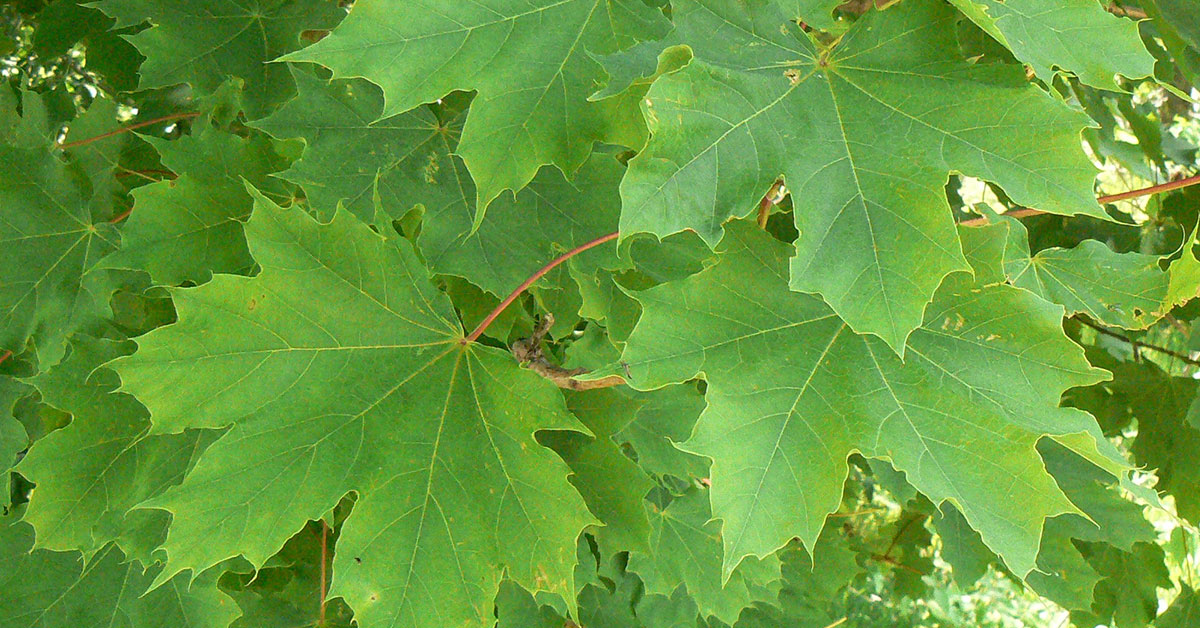

The Crimson King Maple is a majestic and striking tree that is a favorite among landscapers and gardeners. With its deep red-purple foliage and broad, rounded shape, it adds a touch of elegance and drama to any landscape.
This tree is a cultivar of the Norway Maple and is known for its exceptional beauty and hardiness. We’ll talk about the features and benefits of the Crimson King Maple and learn how to care for this magnificent tree.
What is a Crimson King Maple?
A Crimson King Maple is a stunning deciduous tree that is well-known for its striking deep purple foliage. This particular type of maple tree is a cultivar of the Norway Maple and is a popular choice for landscaping due to its unique appearance.
The tree can grow to be quite large, reaching up to 50 feet in height and 40 feet in width. Its leaves are typically 5-7 lobed with a deep purple color that lasts throughout the growing season. The bark is dark gray and develops deep grooves over time. This tree is a great choice for adding a dramatic touch to any landscape.
How to plant and care for Crimson King Maple
Planting the Crimson King Maple requires careful consideration of the location and soil type. Here are the steps to follow when planting your Crimson King Maple:
Step 1: Choose the Right Location – Crimson King Maples thrive in well-drained soils, so choose a location with good drainage. The tree also needs full sun to partial shade to grow.
Step 2: Prepare the Soil – The soil should be well-draining and rich in nutrients. Add compost or manure to the soil to improve its fertility.
Step 3: Dig the Hole – Dig a hole that is two to three times wider than the root ball of the tree. The depth should be the same height as the root ball.
Step 4: Plant the Tree – Place the tree in the hole and backfill it with soil. Water the tree and add a layer of mulch around the base to help retain moisture.
Providing Care
Once you have planted your Crimson King Maple, follow these steps to care for it:
Step 1: Watering – Water the tree regularly, especially during the first year after planting. The tree needs about 1 inch of water per week.
Step 2: Fertilization – Apply a slow-release fertilizer in the spring to provide the tree with the necessary nutrients.
Step 3: Pruning – Prune the tree in late winter or early spring to remove any dead or damaged branches. You can also shape the tree to your desired form at this time.
Step 4: Pest and Disease Control – Keep an eye out for pests and diseases, such as aphids, scale insects, and Verticillium wilt. Apply insecticides or fungicides as necessary.
Where is Crimson King Maple native?
Crimson King Maple is a popular ornamental tree that is known for its striking deep purple foliage. It is a cultivar of the Norway Maple (Acer platanoides) and is a widely cultivated tree in North America and Europe.
This tree is not native to North America, but rather it was first discovered as a chance seedling in a park in Norway in the 1930s. The original tree was selected for its unique deep purple foliage and was propagated through grafting and cuttings.
Today, it is a popular landscaping tree in many parts of the world, including North America, Europe, and Asia. It is often used as a shade tree in residential and commercial landscapes and is valued for its attractive foliage and hardiness.
While the Crimson King Maple is not native to North America, it has become a beloved tree in many parts of the continent. Its striking appearance and adaptability to various growing conditions have made it a popular choice for homeowners and landscapers alike.
Foliage in the Fall
When you think of fall foliage, the image of a Crimson King Maple might come to mind. This tree is known for its striking deep red foliage that stands out among other trees during the autumn season.
The fall foliage for a Crimson King Maple typically starts to change color in late September or early October, depending on the weather conditions. The leaves will begin to turn a bright red color, almost resembling the color of a ripe cherry. As the season progresses, the leaves will deepen in color and become more vibrant, standing out against the blue sky.
The leaves are unique in their shape, with five pointed lobes that resemble the shape of a hand. This distinctive shape makes the tree easily recognizable, even from a distance.
If you’re lucky enough to have a Crimson King Maple in your yard or in your neighborhood, be sure to take the time to appreciate its stunning fall foliage. It’s a true natural wonder that deserves to be admired and enjoyed.