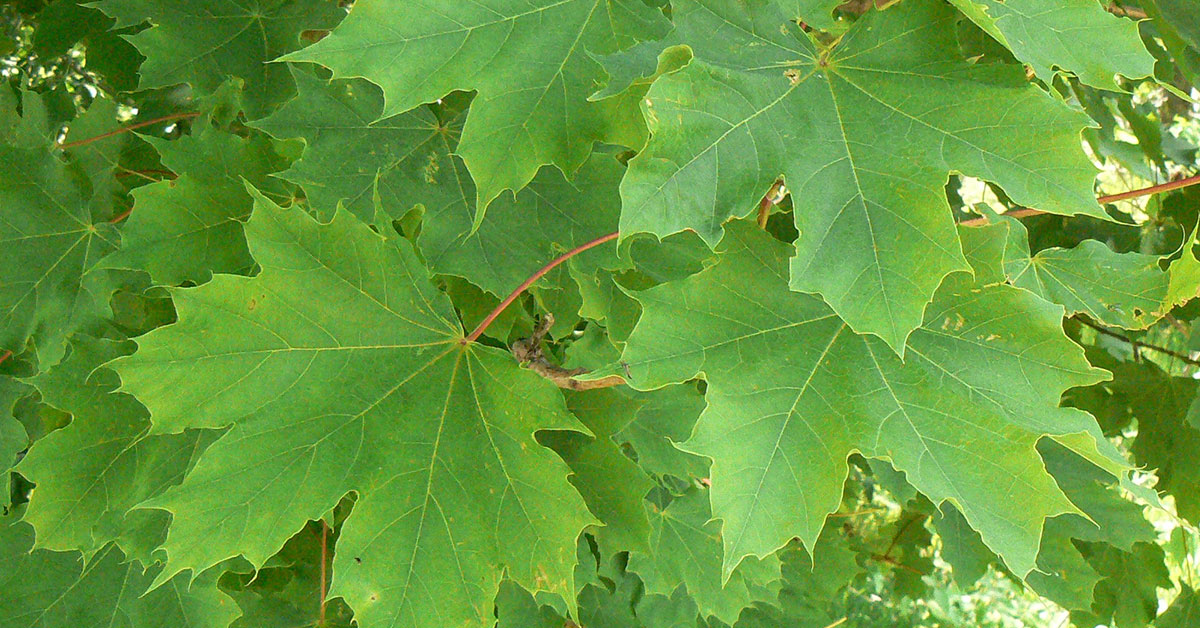

Norway Maple, also known as Acer platanoides, is a deciduous tree that is native to Europe and western Asia. It was introduced to North America in the 1700s and has since become a popular ornamental tree in many urban and suburban areas.
This tree is known for its stunning foliage, which ranges from bright green to deep burgundy in the fall. Norway Maple is also a hardy tree that can survive in a variety of soil types and climates, making it a great choice for homeowners and landscapers alike.
Let’s explore the various characteristics of the Norway Maple, as well as its benefits and drawbacks as a landscaping tree.
What is a Norway Maple?
Norway Maple, also known by its scientific name Acer platanoides, is a species of maple tree native to Europe and western Asia. It is widely cultivated as an ornamental tree in North America and other parts of the world due to its attractive foliage, impressive size, and hardy nature.
Norway Maple is a deciduous tree that can grow up to 20-30 meters in height and 15-20 meters in width. Its leaves are large and five-lobed, with a dark green color that turns yellow or brown in autumn. The tree produces small yellowish-green flowers in the spring, which are followed by winged seeds called samaras.
The Norway Maple is a hardy tree that can adapt to a wide range of soil and climate conditions. It is known for its tolerance to pollution and drought, making it a popular choice for urban landscaping. The tree has a long lifespan, with some specimens living for over 250 years.
Despite its many positive qualities, this tree has also been identified as an invasive species in some parts of North America. This is due to its ability to outcompete native plants and alter the biodiversity of ecosystems. As such, many local governments and conservation organizations are working to control the spread of this tree in certain areas.
How to plant and care for Norway Maple
Norway Maple is a beautiful tree species that is native to Europe and Asia but is commonly found in North America. These trees are known for their stunning appearance and ability to grow in different climatic conditions. If you are planning to plant this tree in your garden or property, here are some tips on how to plant and care for the tree.
Planting a Norway Maple:
- Choose the right location: Norway Maple trees thrive in well-drained soil with full sunlight or partial shade. Choose a location that receives at least six hours of sunlight per day.
- Prepare the soil: The soil should be well-drained and enriched with organic matter. Dig a hole that is twice the size of the root ball and loosen the soil at the bottom.
- Plant the tree: Place the tree in the center of the hole and fill it with soil, gently pressing it down. Water the tree thoroughly and mulch around the base of the tree.
Caring for a Norway Maple:
- Watering: Water the tree regularly for the first year after planting. Afterward, water the tree when the soil is dry to the touch.
- Fertilizing: Fertilize the tree in the spring with a slow-release fertilizer.
- Pruning: Prune the tree in the late winter or early spring to remove any dead or damaged branches. Norway Maples are prone to developing multiple trunks, so it is important to remove any unwanted trunks.
- Pests and diseases: Norway Maples are susceptible to aphids, scale insects, and verticillium wilt. Check the tree regularly for signs of pests or diseases and treat them promptly.
Where is Norway Maple native?
Norway Maple is a deciduous tree that is native to Europe and parts of Asia. It is widely known for its beautiful fall foliage and has been introduced to many parts of North America as an ornamental tree. However, it is important to note that Norway Maple is considered an invasive species in some areas and can outcompete native plants.
Its natural range includes countries such as Norway, Sweden, Denmark, Finland, and Russia. It is also commonly found in urban areas and parks throughout Europe and North America. Overall, Norway Maple is a versatile tree that has been widely planted for its aesthetic appeal, but it is important to consider its potential impact on local ecosystems when introducing it to new areas.
Foliage In The Fall
As the autumn season approaches, many trees shed their leaves and showcase a vibrant display of colors. One such tree is the Norway Maple. This tree species is known for its stunning fall foliage. But what exactly does the fall foliage for Norway Maple look like? Let’s take a closer look.
During the summer months, the leaves are bright green and have a distinct shape with five lobes. However, as autumn approaches, the leaves begin to change their color. The green color of the leaves starts to fade, and they turn into shades of yellow, orange, and red. The intensity of the colors varies from tree to tree, depending on factors like age, location, and weather conditions.
The fall foliage for Norway Maple is a sight to behold. The leaves turn into a bright, fiery orange and red, which is a beautiful contrast against the blue sky. They also have a distinct texture, which adds to their overall beauty. The leaves of the Norway Maple are not only visually appealing but also provide a sense of warmth and comfort during the chilly autumn days.