
Transplanting vegetable seedlings into the garden is a pivotal moment for any gardener, marking the transition from protected nursery beds to the unpredictable outdoor environment. As someone who’s eagerly nurtured tiny tomato and pepper seedlings under grow lights, I know how nerve-wracking it can be to move them outside—even on a seemingly perfect spring day, it’s such a bummer when a sudden cold snap or unwelcomed pests set you back. In this article, we’ll explore nine detailed tips to help you transplant vegetables smoothly and give them the best chance to thrive. Each tip digs into practical steps—like soil preparation, watering strategies, and pest protection—while also touching on plant origins, invasiveness concerns, and pollinator-friendly practices.
Whether you’re a first-time gardener or someone who’s battled transplant shock more than once, these guidelines will help you minimize stress for your young plants. From hardening off delicate seedlings to choosing the ideal planting depth for root vegetables, expect in-depth advice and empathetic anecdotes. I’ll also cover creative companion planting ideas and share why a few well-placed flowers can boost beneficial insect behavior around your transplants. By June—when many are planting peppers, eggplants, and squash—you’ll feel confident setting out seedlings that will reward you with abundant harvests rather than wilted disappointments. So grab your trowel and let’s get started on setting up your vegetable transplants for success!
Harden Off Seedlings Gradually
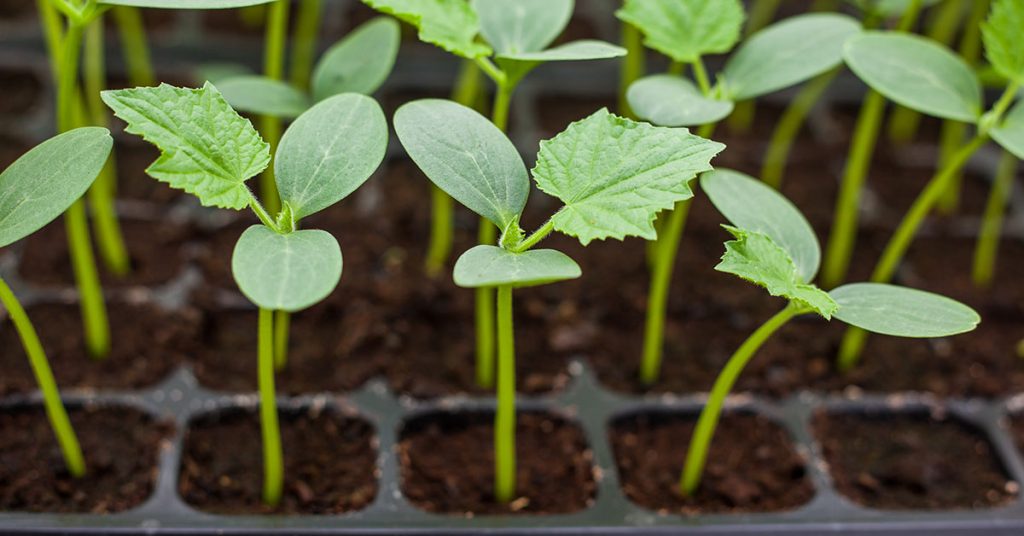
Before plunging tender seedlings into full-sun conditions, it’s crucial to harden them off by gradually exposing them to outdoor elements over a week or more. Place seedlings outdoors in a sheltered, shady spot for a few hours each day, then slowly increase their time outside and the sun exposure. I still recall the disappointment last spring when I transplanted broccoli seedlings directly into bright sun—they were pale and limp by evening. By introducing them incrementally to wind, sun, and cooler night temperatures, you acclimate them to the harsher garden environment and reduce shock.
Hardening off also helps plants adjust their internal mechanisms—such as strengthening cell walls and thickening leaves—so they can better withstand UV radiation and temperature swings. This is particularly important for cool-season crops like lettuce (Lactuca sativa), thought to be native to the Mediterranean region, which can’t tolerate sudden heat. Meanwhile, warm-season transplants like peppers (Capsicum annuum), native to Central and South America, can benefit from slightly longer initial exposure to sun to trigger their sun-loving growth habits. By investing time in a proper hardening-off routine—ideally starting when daytime highs are above 60°F—you set your seedlings on a path to vigorous, resilient growth.