
Choose Healthy, Disease-Free Seedlings
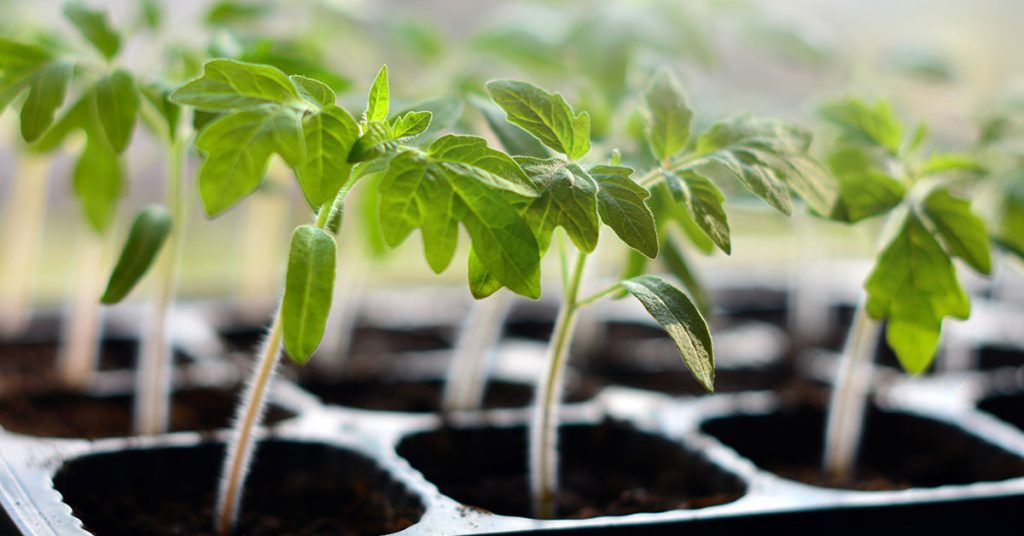
Selecting robust, disease-free seedlings is the foundation of a successful transplant. Look for plants with vibrant green leaves free of spots or discoloration, sturdy stems that aren’t leggy, and well-developed root systems that fill their cells without becoming root-bound. One year, I mistakenly planted zucchini seedlings with tiny aphid infestations on June leaves; within days, those pests had leapt to nearby plants, forcing me into an unplanned insecticidal soap routine. By choosing clean, pest-free starts from reliable sources—or by carefully inspecting your own seedlings—you avoid introducing problems to your garden.
Pay attention to varietal origins and potential invasive tendencies. For example, heirloom tomato seedlings (Solanum lycopersicum), native to western South America, offer unique flavors and colors but may carry residual diseases from previous generations—so always purchase from reputable growers or start seeds anew. Likewise, if you’re transplanting a cucurbit like kabocha squash (Cucurbita maxima), keep in mind that some aggressive vine types can spread beyond intended beds. Opt for disease-resistant cultivars when possible, especially in regions prone to late blight or powdery mildew. Starting with healthy, vigorous seedlings not only makes your life easier but also invites pollinators—like bumblebees drawn to early squash blossoms—to visit a thriving, pest-free garden.