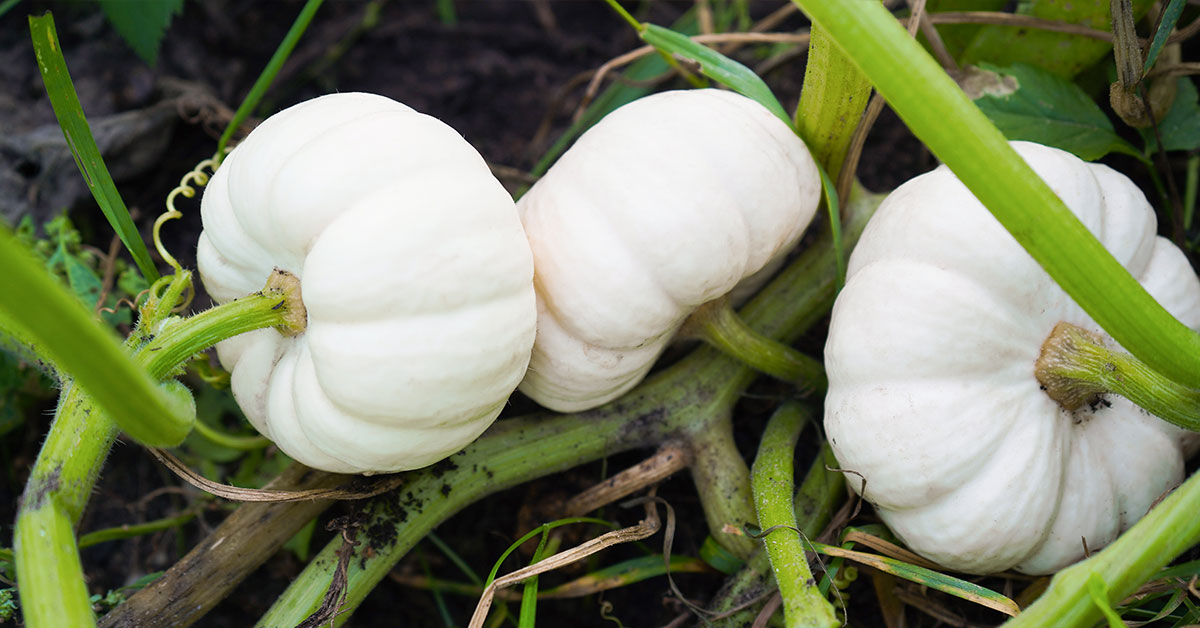

In a realm where vibrant oranges and even blue pumpkins dominate, there exists a captivating and elegant variety of pumpkins that gracefully stand out—the white pumpkins. With their pristine, ivory-colored skin, these unique cultivars have gained popularity for their striking appearance and versatility. Whether you envision a whimsical fall display or seek culinary creations with a touch of elegance, growing white pumpkins can be a rewarding endeavor.
From selecting the ideal varieties to nurturing the plants through each growth stage, you will learn the secrets to cultivating healthy and vibrant white pumpkins. We will explore the optimal growing conditions, planting techniques, and essential care practices necessary for achieving a bountiful harvest. Furthermore, we will discuss harvesting tips and creative ways to showcase the elegant charm of white pumpkins, whether as decorative pieces or in delightful culinary creations.
Grow these 8 white pumpkins in your garden
- Lumina: Lumina pumpkins are a popular white variety known for their smooth, pale skin. They are medium-sized with bright white flesh, making them ideal for both decorative purposes and culinary creations.
- Cotton Candy: Cotton Candy pumpkins are small to medium-sized with a smooth, white skin. Their sweet, dense flesh is perfect for baking, roasting, or making delicious pumpkin pies.
- Baby Boo: Baby Boo pumpkins are tiny, cute, and completely white. These miniature pumpkins are often used for ornamental purposes, including table centerpieces, fall decorations, or Halloween displays.
- Polar Bear: Polar Bear pumpkins feature a pristine white skin and a slightly flattened shape. They have sweet, tender flesh that works well in a variety of dishes, from soups and stews to desserts.
- Snowball: Snowball pumpkins are small to medium-sized with a pale, ivory-colored skin. They have a smooth texture and a sweet, nutty flavor that makes them excellent for roasting or pureeing.
- Casperita: Casperita pumpkins are small, white, and round with a smooth skin. They are perfect for decorating due to their appealing appearance. Additionally, they have a sweet flavor that lends itself well to culinary use.
- White Ghost: White Ghost pumpkins are medium-sized with a smooth, ghostly white skin. Their flesh is creamy and mildly sweet, making them versatile for various cooking methods like baking, roasting, or making pumpkin soup.
- Baby Bear: Baby Bear pumpkins are small and have a creamy white skin. They are often used for decorative purposes but can also be utilized in cooking due to their tender, flavorful flesh.
Remember that availability of white pumpkin varieties may vary depending on your region and the season. These varieties provide a range of options for adding a touch of elegance and uniqueness to your fall displays or culinary creations.
How to grow white pumpkins
Growing white pumpkins can be a delightful and visually striking addition to your garden. Here is a step-by-step guide on how to grow white pumpkins successfully:
- Selecting White Pumpkin Varieties: Choose from a variety of white pumpkin cultivars such as Lumina, Cotton Candy, Baby Boo, Polar Bear, Snowball, Casperita, White Ghost, or Baby Bear. Consider factors like size, flavor, and intended use (decorative or culinary) when making your selection.
- Preparing the Planting Area: Find a sunny spot in your garden with well-drained soil. Ensure the soil is loose, fertile, and rich in organic matter. Prepare the planting area by removing weeds and incorporating compost or well-rotted manure to improve soil fertility and drainage.
- Planting Seeds: Plant white pumpkin seeds directly in the garden after the last frost date in your area. Create small planting holes or trenches about 1-2 inches deep and sow 2-3 seeds per hole. Space each planting hole or trench about 4-6 feet apart to allow adequate room for the vines to spread.
- Providing Water and Mulch: Keep the soil consistently moist throughout the growing season. Water the plants deeply, providing about 1 inch of water per week. Consider using mulch around the plants to help retain soil moisture and suppress weed growth.
- Supporting the Vines (if necessary): As white pumpkin vines grow, they may require support to prevent damage and to keep the pumpkins off the ground. Use trellises, fences, or create simple supports using stakes and twine to lift and secure the vines. This improves air circulation, reduces the risk of rotting, and protects the pumpkins from pests.
- Fertilizing: Apply a balanced, slow-release fertilizer or organic compost at planting time to provide essential nutrients for the plants. Monitor the plants’ growth and supplement with additional fertilizer if needed, following the instructions on the packaging. Avoid over-fertilizing, as it can lead to excessive foliage growth with limited fruit production.
- Managing Pests and Diseases: Regularly inspect your white pumpkin plants for signs of pests or diseases. Common pests include aphids, squash bugs, or cucumber beetles. Employ organic pest control methods such as hand-picking, insecticidal soaps, or companion planting with pest-repellent herbs or flowers. Practice good garden hygiene by removing any diseased plant material to prevent the spread of diseases.
By following these steps and providing the right growing conditions, you can cultivate healthy white pumpkins in your garden. Enjoy the beauty and versatility of these unique pumpkins, whether using them for decorative purposes or exploring culinary creations. Happy growing!
When to harvest
White pumpkins are typically harvested when they have reached their full maturity and have developed the characteristic white or pale ivory color. Here are some indicators to determine the right time for harvesting white pumpkins:
- Skin Color: The skin of white pumpkins should be uniformly white or pale ivory, with no green patches or discoloration. As they mature, the color intensifies, and the pumpkins lose any greenish hues. Avoid harvesting them too early when the skin is still predominantly green.
- Skin Hardness: Check the hardness of the pumpkin’s skin. When the pumpkins are ready for harvest, the skin should be firm and resist light pressure when you press your fingernail into it. This indicates that the pumpkins have reached their peak ripeness.
- Stem Appearance: Examine the stem of the pumpkin. The stem should be dry, woody, and starting to turn brown or corky. This is an indication that the pumpkin has fully matured and is ready for harvest. Avoid pulling or twisting the pumpkins by their stems, as this can cause damage. Instead, cut the stem a few inches above the pumpkin using a sharp knife or pruning shears.
- Vine and Leaf Condition: Take note of the vine and leaves connected to the pumpkin. As the pumpkins mature, the vine and leaves may start to wither and dry out. This can be an additional sign that the pumpkins are ready for harvest. However, it’s important to balance this indicator with the other factors mentioned above, as vine and leaf condition alone may not be reliable.
It’s worth noting that the specific timing for harvesting white pumpkins can vary depending on the variety and growing conditions. Additionally, if you plan to use the pumpkins for decorative purposes, you may choose to harvest them slightly earlier when the skin color is still vibrant and suits your desired display.
By considering the skin color, hardness, stem appearance, and vine/leaf condition, you can determine the optimal time to harvest your white pumpkins and enjoy their beauty and potential culinary uses.
How long do white pumpkins last?
White pumpkins, like other pumpkin varieties, can have a good shelf life if stored properly. Under optimal conditions, white pumpkins can last anywhere from 8 to 12 weeks or even longer. However, it’s important to note that the longevity of white pumpkins can vary based on several factors, including the specific variety, harvesting time, and storage conditions. Here are some tips to help extend the lifespan of white pumpkins:
- Harvest at the Right Time: Harvest white pumpkins when they are fully mature and the skin has reached its characteristic white or pale ivory color. Proper maturity at harvest ensures better storage potential.
- Handle with Care: When harvesting and handling white pumpkins, be gentle to avoid bruising or damaging the skin. Any wounds or injuries can increase the risk of decay and shorten their storage life.
- Clean and Dry: Before storing, gently clean the pumpkins by removing any dirt or debris on the skin. Allow them to air dry completely, which helps prevent moisture-related issues during storage.
- Optimal Storage Conditions: Store white pumpkins in a cool, dry place with good air circulation. The ideal temperature range for storage is around 50°F to 55°F (10°C to 13°C). Avoid storing them in excessively cold or warm environments, as extreme temperatures can lead to premature decay.
- Avoid Direct Sunlight: Protect white pumpkins from direct sunlight during storage, as prolonged exposure can cause them to deteriorate more quickly.
- Regularly Check for Signs of Decay: Periodically inspect stored white pumpkins for any signs of rot or decay. If you notice any soft spots, mold, or unpleasant odors, remove the affected pumpkins promptly to prevent the spread of decay to the others.
Remember that storage life can vary depending on the condition of the pumpkins at harvest, so it’s important to check them periodically and use any that show signs of deterioration first. With proper care and storage, you can enjoy the beauty and longevity of white pumpkins throughout the fall season and beyond.