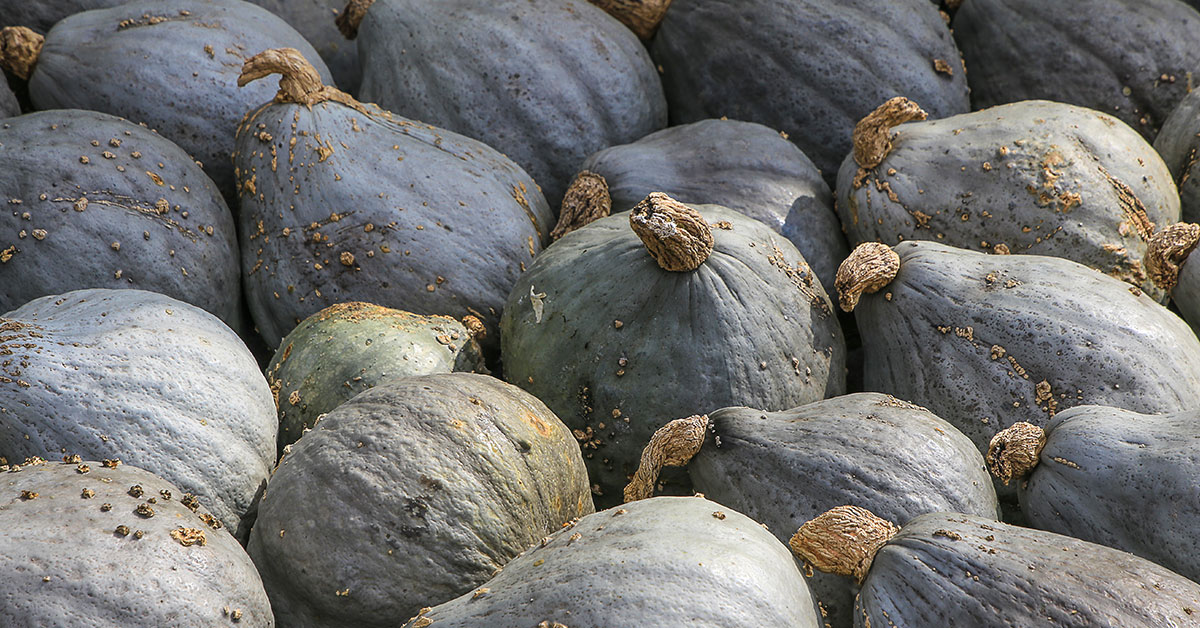

Among the traditional shades of orange and white, there exists a unique and captivating variety of pumpkins that stands out—the blue pumpkins. With their striking blue or bluish-gray skin, these pumpkins have gained popularity for their ornamental appeal and culinary potential. If you’re intrigued by their mystique and eager to grow these remarkable blue beauties, this comprehensive guide is here to help.
Cultivating blue pumpkins requires horticultural knowledge, patience, and a touch of creativity. In this article, we will cover the essential steps to successfully grow these captivating additions to your harvest. Whether you’re an experienced gardener or a beginner, you’ll find valuable insights and practical tips to ensure your blue pumpkin-growing endeavor is a success.
Blue Pumpkins you can grow in your garden
Imagine a garden adorned with these enchanting blue treasures. From the striking Jarrahdale to the captivating Blue Doll and more, this guide will equip you to embark on a journey that celebrates the magic and allure of blue pumpkin cultivation. Let’s dive in and discover the practical steps to growing these extraordinary blue pumpkin varieties.
- Jarrahdale: Jarrahdale pumpkins are known for their striking blue-gray skin with deep ribbing. They have sweet, orange flesh and are popular for both decorative purposes and cooking.
- Blue Doll: Blue Doll pumpkins have a distinct deep blue skin color. They are small to medium in size, with a flattened shape and sweet, orange flesh. They are often used for making pies and other culinary delights.
- Blue Hubbard: Blue Hubbard pumpkins are large and have a bumpy, bluish-gray skin. They are often used for their sweet, golden-orange flesh, which is great for baking, roasting, and making soups.
- Queensland Blue: Queensland Blue pumpkins are known for their vibrant blue-green skin. They have sweet, dense flesh that is perfect for baking and pureeing. They are also great for carving and using as decorative pieces.
- Blue Lakota: Blue Lakota pumpkins feature a beautiful dark blue skin with orange highlights. They have sweet, golden flesh that is excellent for baking, roasting, and making soups. They are often used as a decorative element during the fall season.
- Blue Moon: Blue Moon pumpkins have a unique slate-blue skin color. They are medium-sized and have bright orange flesh that is ideal for making pies and other sweet treats. They also make eye-catching decorations.
- Blue Kuri: Blue Kuri pumpkins, also known as Hokkaido pumpkins, have a vibrant blue-gray skin. They are small to medium in size, with sweet, nutty-flavored flesh that is perfect for roasting, soups, and stews.
- Blue Ballet: Blue Ballet pumpkins have a lovely, smooth blue-gray skin. They are small to medium in size and have deep orange, sweet flesh. They are often used for cooking, baking, and decorative purposes.
Remember, pumpkins thrive in environments that provide specific conditions for their optimal growth. Ideally, pumpkins require a sunny location with full sunlight exposure for a minimum of 6 to 8 hours each day.
How to grow blue pumpkins
Growing blue pumpkins can be a rewarding and visually striking addition to your garden. To successfully cultivate these unique and captivating pumpkins, follow this step-by-step guide:
- Preparing the Planting Area: Find a sunny spot in your garden with well-drained soil. Ensure the soil is loose, rich in organic matter, and has a slightly acidic to neutral pH (around 6.0 to 7.0). Amend the soil with compost or well-rotted manure to enhance its fertility and drainage capabilities.
- Planting Seeds: Plant blue pumpkin seeds directly in the garden after the last frost date in your area. Dig small holes or trenches about 1-2 inches deep and sow 2-3 seeds per hole. Space each planting hole or trench about 4-6 feet apart to allow ample room for the vines to spread.
- Providing Adequate Water: Keep the soil consistently moist but not waterlogged throughout the growing season. Provide deep, regular waterings, especially during dry periods. Avoid overhead watering, as wet foliage can promote diseases. Consider using mulch around the plants to retain moisture and suppress weed growth.
- Supporting the Vines (if necessary): As the blue pumpkin vines grow, they may require support to prevent damage and to keep the pumpkins off the ground. You can use trellises, fences, or create simple supports using stakes and twine to lift and secure the vines. This helps improve air circulation and reduces the risk of rotting.
- Fertilizing: Apply a balanced, slow-release fertilizer or organic compost at planting time to provide essential nutrients. If needed, supplement with additional fertilizer according to the instructions on the packaging. Avoid over-fertilizing, as this can lead to excessive foliage growth at the expense of fruit production.
- Managing Pests and Diseases: Monitor your blue pumpkin plants regularly for signs of pests like aphids, squash bugs, or cucumber beetles. If infestations occur, consider using organic pest control methods such as hand-picking, insecticidal soaps, or companion planting with pest-repellent herbs or flowers. Additionally, practice good garden hygiene by removing any diseased plant material to prevent the spread of diseases.
With patience, care, and adherence to these guidelines, you can successfully grow vibrant and captivating blue pumpkins in your own garden. Enjoy the beauty of these unique pumpkins and savor the culinary possibilities they offer during the harvest season.
What does a blue pumpkin symbolize?
Blue pumpkins, with their distinct and eye-catching color, can hold various symbolic meanings depending on cultural and personal interpretations. Here are a few symbolic associations that blue pumpkins may evoke:
- Uniqueness and Individuality: The rarity of blue pumpkins sets them apart from the more common orange varieties. They symbolize individuality, uniqueness, and standing out from the crowd. Blue pumpkins can represent embracing one’s own distinct qualities and celebrating what makes each person special.
- Tranquility and Serenity: The color blue is often associated with calmness, peace, and serenity. Blue pumpkins can symbolize a sense of tranquility and harmony. Their soothing color may evoke feelings of relaxation and provide a visual reminder to find moments of calmness amidst the hustle and bustle of daily life.
- Mystery and Enchantment: Blue is also associated with mystery, magic, and the ethereal. Blue pumpkins, with their unconventional color, can evoke a sense of wonder and enchantment. They may symbolize hidden depths, secrets, and the allure of the unknown.
- Creativity and Imagination: Blue pumpkins can serve as a symbol of creativity and imagination. Their unique appearance sparks curiosity and inspires artistic expression. They can be seen as a reminder to tap into one’s creative potential and explore new ideas or perspectives.
It’s important to note that symbolic meanings can vary based on cultural, personal, or contextual interpretations. Some may attach different symbolic significance to blue pumpkins based on their own experiences or beliefs. Ultimately, the symbolism of blue pumpkins can be subjective and open to individual interpretation.
When to harvest
Harvesting blue pumpkins at the right time ensures optimal flavor, texture, and longevity. Here are some indicators to determine when to harvest your blue pumpkins:
- Skin Color: Blue pumpkins are typically harvested when their skin has fully developed its characteristic blue or bluish-gray color. As they mature, the color intensifies. Avoid harvesting them too early when the skin is still predominantly green.
- Skin Hardness: Check the hardness of the pumpkin’s skin. When the pumpkins are ready for harvest, the skin should be hard and resist light pressure when you press your fingernail into it. This indicates that the pumpkins have reached a good level of maturity.
- Stem Appearance: Examine the stem of the pumpkin. The stem should be dry and starting to turn brown or corky. This indicates that the pumpkin has reached its peak ripeness and is ready for harvest. Avoid pulling or twisting the pumpkins by their stems, as this can cause damage. Instead, cut the stem a few inches above the pumpkin using a sharp knife or pruning shears.
- Vine and Leaf Condition: Take note of the vine and leaves connected to the pumpkin. As the pumpkins mature, the vine and leaves may start to wither and dry out. This can be an additional sign that the pumpkins are ready for harvest. However, it’s important to balance this indicator with the other factors mentioned above, as vine and leaf condition alone may not be reliable.
It’s worth noting that the specific time to harvest blue pumpkins can vary depending on the variety and growing conditions. Additionally, if you plan to use the pumpkins for decorative purposes, you may choose to harvest them slightly earlier when the skin color is still vibrant and the pumpkins are at a stage that best suits your intended display.
By considering the skin color, hardness, stem appearance, and vine/leaf condition, you can determine the optimal time to harvest your blue pumpkins and enjoy their unique beauty and potential culinary uses.