
Petunias
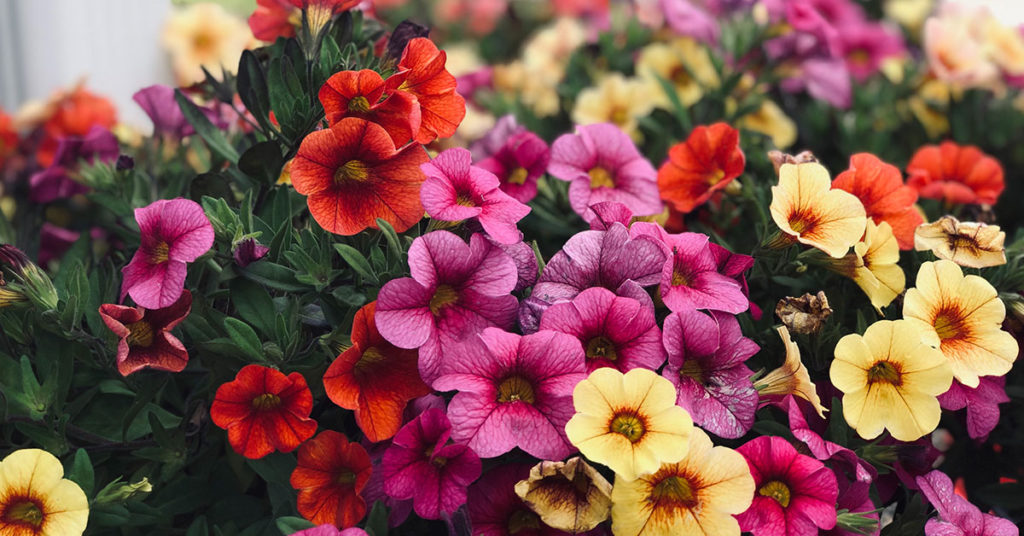
Petunias (Petunia × atkinsiana), hybrids originating from South American petunias native to Argentina and Brazil, are summer bedding classics that perform spectacularly when planted in June. Choose vigorous spreading varieties and plant them in containers, hanging baskets, or flower beds with rich, well-draining soil and six to eight hours of sun. Within a week or two, the plentiful trumpet-shaped blooms emerge in an array of colors—from pure white to deep purple—creating a cascading effect that looks like a waterfall of petals. I love how petunias bounce back quickly after rainstorms, even under intense heat!
These plants also play host to pollinators: hummingbirds compete with hawk moths for their nectar, while small bees like sweat bees collect pollen from the sticky stamen. Petunias also attract beneficial hoverflies, which feed on aphids and serve as weed pollinators. Be mindful that certain strains—especially those bred for extreme showiness—may be less fragrant and slightly less attractive to pollinators. If you care about fragrance and bee visits, look for lightly scented heritage varieties. Regular deadheading of spent blooms encourages new flowers to open and keeps the plants looking neat. Sown or transplanted in June, petunias can bloom continuously until frost, adding vibrant color and pollinator interest throughout summer.