
Coreopsis (Tickseed)
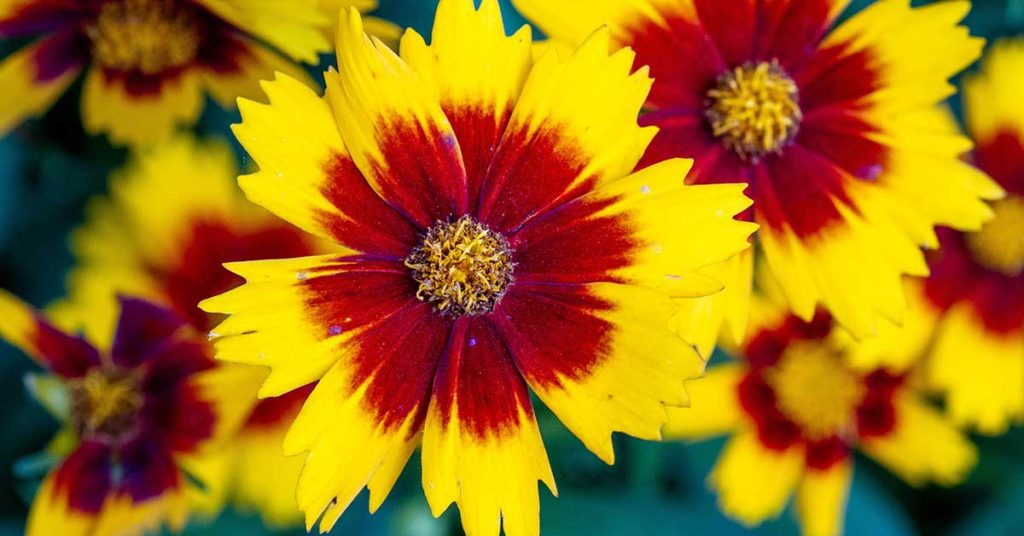
Coreopsis (Coreopsis spp.), commonly called tickseed, includes several North American natives—such as Coreopsis tinctoria—that flourish when sowed or transplanted in June. Plant in full sun with well-draining soil, spacing plants 8–12 inches apart. In just a few weeks, these drought-tolerant perennials burst into bright yellow and gold—sometimes with hints of red—that dance on long, wiry stems above feathery foliage. One of my favorite memories is last June’s patch of Coreopsis lanceolata brightening a dry patch where little else would grow; the bees buzzed so loudly you could hear them from across the yard!
Coreopsis blooms from July through September, providing a vital late-season forage source. Bumblebees, honeybees, and native solitary bees collect pollen from the flat, open centers, while butterflies such as painted ladies and monarchs sip nectar from the bright petals. These perennials also create ground-level habitat for beneficial predators like lacewings and lady beetles, which keep aphid populations in check. Coreopsis is not invasive when kept within garden borders, making it a reliable choice for long-lasting summer bloom. With minimal watering and occasional deadheading, a June planting yields a sea of golden daisies that brighten any garden and support pollinators through the hottest months.