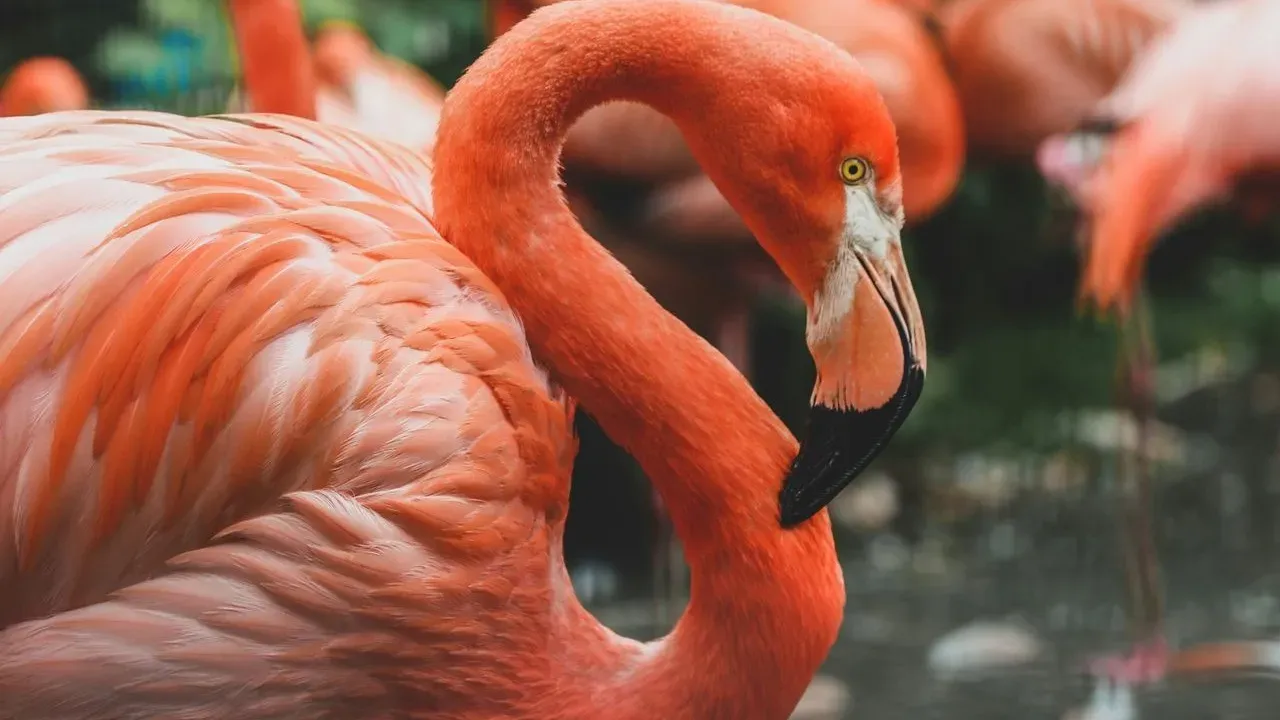

When Hurricane Isaias moved across the Gulf Coast in 2020, zookeepers faced difficult decisions about protecting animals that could not simply be moved indoors like larger species. One memorable solution involved a flock of flamingos that found temporary refuge in an unexpected location: a zoo restroom. The approach highlighted the practical steps staff took to shield vulnerable wildlife from high winds and storm surge. ([1])
Storm Threatens Coastal Habitats
Hurricane Isaias brought strong winds and heavy rain to parts of the Gulf Coast, creating hazards for outdoor exhibits and open enclosures. Flamingos, with their long legs and preference for shallow water areas, faced particular risks from flying debris and flooding. Keepers monitored forecasts closely and prepared contingency plans well before the storm arrived.
Many zoos along the coast maintain detailed emergency protocols for tropical systems. These plans often prioritize species that cannot be quickly relocated or that remain exposed even in covered areas. The focus stays on minimizing stress while ensuring physical safety during the height of the weather event.
Creative Shelter for Sensitive Birds
Staff decided the safest option for the flamingos was to move them into a sturdy indoor space normally used by visitors. The restroom offered solid walls, a controlled environment, and enough room for the birds to stand together without crowding. Keepers guided the flock inside and monitored conditions throughout the storm.
The choice reflected both practicality and an understanding of flamingo behavior. The birds tend to huddle when unsettled, and the enclosed area allowed them to stay close while remaining protected from wind and rain. Once conditions improved, the animals returned to their usual habitat without reported issues.
Broader Lessons in Animal Care
Events like this underscore how zoos balance daily operations with rare but intense weather threats. Preparation often includes securing loose items, reinforcing structures, and identifying backup locations for different species. Flamingos require specific attention because their natural habitats offer little natural cover during extreme storms.
Similar measures have been used at other facilities facing hurricanes or severe weather. Keepers draw on experience from past events to refine their responses, focusing on calm handling and minimal disruption to the animals. The restroom solution became a notable example of adaptive thinking under pressure.
Why These Stories Resonate
Accounts of animals weathering storms offer a window into the quiet work of wildlife professionals. They also remind readers that even familiar zoo residents depend on human planning when natural events turn dangerous. The image of flamingos gathered indoors lingers because it captures both the vulnerability of wildlife and the resourcefulness of those who care for them.
Years later, the episode continues to illustrate how small, targeted actions can protect animals during major weather events along the coast. It remains a straightforward example of preparation meeting an unexpected challenge.
AI Disclaimer: This article was created with the assistance of AI tools and reviewed by a human editor.