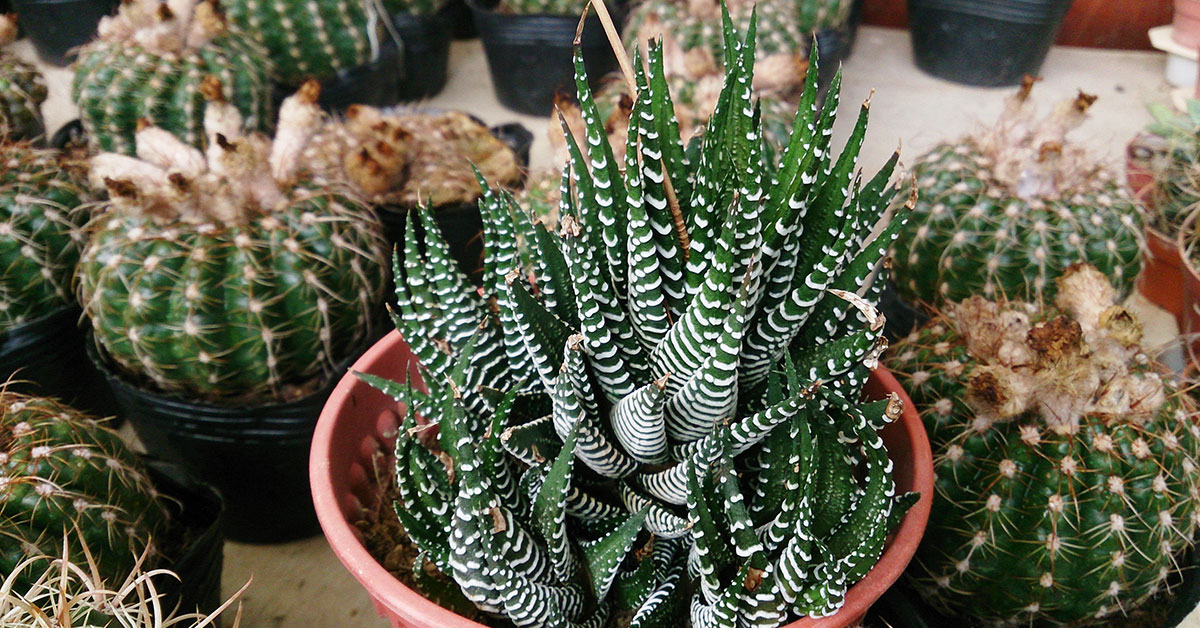

Welcome to the world of Zebra Aloe, a stunning succulent that is not only visually captivating but also incredibly easy to grow as a houseplant. With its distinctive zebra-like stripes and vibrant green leaves, the Zebra Aloe (Aloe zebrina) is a popular choice among plant enthusiasts and beginners alike.
Native to South Africa, this resilient plant thrives in a wide range of conditions, making it an ideal choice for those seeking a low-maintenance yet visually striking addition to their indoor garden. In this article, we will explore the various aspects of growing Zebra Aloe, including its preferred growing conditions, propagation methods, and essential care tips to ensure its long-term health and beauty.
Whether you are a seasoned gardener or a novice plant lover, get ready to embark on a journey of cultivating and nurturing this unique and fascinating succulent.
What is a Zebra Aloe?
A Zebra Aloe, scientifically known as Aloe striata, is a unique and visually striking succulent plant that belongs to the Aloe genus. It is native to South Africa and is commonly grown as a houseplant or in outdoor gardens in warmer climates.
The Zebra Aloe gets its name from the distinctive zebra-like pattern on its leaves. The leaves are thick, fleshy, and triangular in shape, growing in a rosette formation. They have a smooth texture and are typically bluish-green or grayish-green in color. The zebra-like pattern consists of pale green or white horizontal stripes that run across the leaves, resembling the stripes on a zebra. This succulent usually grows up to 1 to 2 feet (30 to 60 cm) in height and spreads outwards as it matures.
It produces offsets or “pups” around the base of the plant, which can be separated and propagated to create new plants. In addition to its unique appearance, the Zebra Aloe also produces beautiful coral-colored flowers on tall stalks during the spring and summer months. These tubular flowers attract pollinators like bees and hummingbirds.
Zebra Aloe is a relatively low-maintenance plant, making it a popular choice for indoor gardening. It thrives in bright, indirect sunlight and prefers well-draining soil. It is drought-tolerant and should be watered sparingly, allowing the soil to dry out between waterings. Overwatering can lead to root rot and other issues.
Overall, the Zebra Aloe is an eye-catching succulent with its zebra-like patterned leaves and vibrant flowers. It can be a great addition to any indoor or outdoor garden, adding a touch of uniqueness and beauty.
Where is Zebra Aloe native?
Zebra Aloe, also known as Aloe zebrina, is native to South Africa. It is primarily found in the Eastern Cape province. In its native habitat, it grows in rocky areas and can be found on cliffs and hillsides.
Zebra Aloe is not considered invasive in most regions. However, it is important to note that the term “invasive” can vary depending on the location. In some areas, if the conditions are favorable, Zebra Aloe may spread and naturalize, but it generally does not pose a significant threat to native plant species or ecosystems.
If you are considering growing Zebra Aloe as a houseplant or in your garden, it is always recommended to check with your local agricultural extension office or plant conservation organizations to ensure it is not classified as invasive in your specific region.
How to grow Zebra Aloe indoors
Zebra Aloe, also known as Aloe zebrina or Haworthia fasciata, is a popular succulent houseplant known for its striking zebra-like stripes on its leaves. Here’s a care guide to help you successfully grow Zebra Aloe indoors:
- Light: Zebra Aloe thrives in bright, indirect light. Place your plant near a window with filtered sunlight or in a well-lit room. Avoid exposing it to direct sunlight for extended periods as it can scorch the leaves.
- Temperature: Zebra Aloe prefers average room temperatures between 65-75°F (18-24°C). Protect it from drafts and sudden temperature fluctuations, as they can stress the plant.
- Watering: Allow the soil to dry out between waterings. Zebra Aloe is a succulent and is adapted to survive in arid conditions. Overwatering can lead to root rot. Water the plant thoroughly, ensuring that excess water drains out of the pot. Empty the saucer to prevent the plant from sitting in standing water.
- Soil: Use a well-draining soil mix specifically formulated for succulents and cacti. You can also create your own mix by combining regular potting soil with perlite or coarse sand to improve drainage.
- Humidity: Zebra Aloe can tolerate average indoor humidity levels, but it prefers drier conditions. Avoid placing it in areas with high humidity, such as bathrooms or kitchens.
- Fertilizer: Feed your Zebra Aloe with a balanced, water-soluble fertilizer formulated for succulents. Apply the fertilizer at half strength during the growing season (spring and summer) every 2-4 weeks. Avoid fertilizing during the winter months when the plant is dormant.
- Repotting: Zebra Aloe has a shallow root system and doesn’t require frequent repotting. Repot the plant only when it becomes root-bound, typically every 2-3 years. Choose a slightly larger pot with drainage holes and use a well-draining soil mix.
- Pruning: Remove any dead or yellowing leaves by gently pulling them from the base. This will help maintain the plant’s appearance and prevent the spread of diseases.
- Propagation: Zebra Aloe can be propagated through offsets, which are small plantlets that grow around the base of the mother plant. Carefully remove the offsets and plant them in a separate pot with well-draining soil. Allow the cut ends to callous over for a day or two before watering.
- Pests and diseases: Zebra Aloe is generally resistant to pests and diseases. However, overwatering can lead to root rot or fungal issues. Watch out for signs of overwatering, such as wilting or mushy leaves. If you notice any pests like mealybugs or spider mites, wipe them off with a cotton swab dipped in rubbing alcohol.
Remember, each plant is unique, so it’s essential to observe your Zebra Aloe and adjust the care accordingly. With proper attention to light, watering, and general care, your Zebra Aloe will thrive and add a touch of beauty to your indoor space.
How to grow Zebra Aloe outdoors
Zebra Aloe (Aloe zebrina) is a beautiful succulent plant that can be grown outdoors in suitable climates. Here is a care guide to help you grow Zebra Aloe successfully:
- Climate and Sunlight:
- Zebra Aloe thrives in warm climates and is best suited for USDA hardiness zones 9-11.
- It requires plenty of sunlight, so choose a location that receives at least 6 hours of direct sunlight per day.
- Soil:
- Zebra Aloe prefers well-draining soil to prevent root rot. Use a cactus/succulent potting mix or create your own by combining equal parts of regular potting soil, perlite, and coarse sand.
- Planting:
- Select a suitable container with drainage holes to ensure excess water can escape.
- Gently remove the plant from its nursery pot and place it in the new container, ensuring the roots are spread out.
- Backfill with the prepared soil mix, pressing it gently around the plant.
- Watering:
- Zebra Aloe is drought-tolerant and can withstand periods of dryness. Allow the soil to dry out completely between waterings.
- During the growing season (spring and summer), water thoroughly but infrequently, ensuring the water reaches the roots.
- In winter, reduce watering frequency to once every 4-6 weeks.
- Fertilization:
- Zebra Aloe doesn’t require frequent fertilization. Apply a balanced, water-soluble fertilizer diluted to half strength once a month during the growing season.
- Avoid fertilizing during winter when the plant is dormant.
- Pruning:
- Zebra Aloe doesn’t require extensive pruning. However, you can remove any dead or damaged leaves using clean, sharp scissors or pruning shears.
- Be cautious not to damage the healthy leaves while pruning.
- Pests and Diseases:
- Zebra Aloe is generally resistant to pests and diseases. However, overwatering can lead to root rot.
- Keep an eye out for common succulent pests like mealybugs and scale insects. If detected, treat them with an appropriate insecticidal soap or neem oil.
- Winter Protection:
- If you live in a region with frost or freezing temperatures, it’s best to protect your Zebra Aloe during winter.
- Move the plant indoors or to a sheltered location where it can be shielded from extreme cold and frost.
- Propagation:
- Zebra Aloe can be propagated through offsets or pups that grow around the base of the plant.
- Gently separate the offsets from the mother plant and allow the cut ends to dry for a day or two.
- Plant the offsets in a separate container with well-draining soil and follow the same care instructions as for mature plants.
Remember, Zebra Aloe is a low-maintenance plant, but it’s essential to provide the right growing conditions to ensure its health and vitality.
How to grow Zebra Aloe in pots
Zebra Aloe, also known as Haworthia fasciata, is a popular succulent plant that can be easily grown in pots. Here is a care guide to help you successfully grow Zebra Aloe:
- Light Requirements: Zebra Aloe prefers bright, indirect light. Place your plant near a window where it can receive a few hours of morning or evening sunlight. Avoid direct sunlight as it can scorch the leaves.
- Temperature: Zebra Aloe thrives in average room temperatures between 65-80°F (18-27°C). Protect the plant from extreme temperature fluctuations and cold drafts.
- Watering: Allow the soil to dry out completely between waterings. Zebra Aloe is a succulent and is adapted to survive in dry conditions. Overwatering can lead to root rot. Water the plant thoroughly, allowing the excess water to drain out of the pot. Empty the saucer to prevent the plant from sitting in water.
- Soil: Use a well-draining soil mix specifically formulated for succulents or cacti. You can also create your own mix by combining regular potting soil with perlite or coarse sand to improve drainage.
- Potting: Choose a pot with drainage holes to prevent waterlogged soil. Zebra Aloe has shallow roots, so a wide and shallow pot is ideal. Repot the plant every 2-3 years or when it outgrows its current container.
- Fertilizer: Zebra Aloe does not require frequent fertilization. Use a balanced, water-soluble fertilizer diluted to half strength during the growing season (spring and summer) once a month. Avoid fertilizing during winter when the plant is dormant.
- Humidity: Zebra Aloe prefers low humidity levels, making it suitable for indoor environments. It does not require additional humidity.
- Pruning: Remove any dead or damaged leaves by gently pulling them from the base of the plant. This will help maintain the plant’s appearance and prevent the spread of diseases.
- Propagation: Zebra Aloe can be propagated through offsets, which are small plants that grow from the base of the mother plant. Carefully remove the offsets and plant them in a separate pot with well-draining soil. Allow the cut ends to callus for a day or two before watering.
- Pests and Diseases: Zebra Aloe is generally resistant to pests and diseases. However, overwatering can lead to root rot or fungal issues. Keep an eye out for signs of pests like mealybugs or spider mites. If necessary, treat the plant with an appropriate insecticide or wipe the leaves with a damp cloth to remove pests.
Remember, Zebra Aloe is a slow-growing plant, so be patient with its growth. With proper care, it will reward you with its unique zebra-like markings and beautiful rosette shape.
When does Zebra Aloe bloom?
Zebra Aloe (Aloe zebrina) typically blooms during the late winter or early spring months, usually between February and April. However, the exact blooming period can vary depending on the specific growing conditions and the maturity of the plant. It’s important to note that not all Zebra Aloes will bloom every year, as blooming is influenced by factors such as age, light exposure, temperature, and overall plant health.
Propagation guide for Zebra Aloe
To propagate Zebra Aloe (Aloe variegata), you have a few options:
- Division: This method involves separating the offsets or “pups” from the main plant. Carefully remove the offsets from the base of the plant using a clean, sharp knife or by gently pulling them away. Allow the offsets to dry for a day or two to form calluses on the cut ends. Then, plant them in well-draining soil, burying about half of the offset in the soil. Water sparingly until new roots and growth appear.
- Leaf cuttings: Select a healthy, mature leaf from the plant. Using a clean, sharp knife, cut the leaf into sections about 3-4 inches long. Allow the cut ends to dry for a day or two to form calluses. Then, plant the cuttings in a well-draining soil mix, burying about half of the cutting in the soil. Water sparingly until new roots and growth emerge.
- Seeds: If you have access to seeds, you can sow them in a well-draining soil mix. Place the seeds on the soil surface and lightly press them down. Keep the soil consistently moist but not waterlogged. Germination can take several weeks to a couple of months, so be patient. Once the seedlings have grown a few inches tall, you can transplant them into individual pots.
Regardless of the propagation method you choose, it’s important to provide the newly propagated plants with bright, indirect light and to avoid overwatering. Allow the soil to dry out between waterings to prevent root rot. With proper care, your Zebra Aloe propagations should establish and grow into healthy plants.
Common pests and diseases of Zebra Aloe
Zebra Aloe (Aloe zebrina) is generally a hardy plant, but it can still be susceptible to a few pests and diseases. Here are some common issues you may encounter when growing Zebra Aloe:
- Mealybugs: These small, white, cottony pests can infest the leaves and stem of the plant, sucking sap and causing damage. Use a cotton swab dipped in rubbing alcohol to remove them, or apply insecticidal soap or neem oil to control the infestation.
- Scale insects: Scale insects are small, oval-shaped pests that attach themselves to the plant and feed on its sap. They can be difficult to remove, but you can scrape them off with a soft brush or cloth. In severe cases, use insecticidal soap or neem oil.
- Spider mites: These tiny pests are not insects but rather arachnids. They create fine webbing and feed on the plant’s sap, causing yellowing leaves and stunted growth. Increase humidity around the plant, regularly misting it, and use insecticidal soap or neem oil to control spider mites.
- Root rot: Overwatering or poorly draining soil can lead to root rot, which is a fungal disease that affects the roots. Symptoms include wilting, yellowing leaves, and a foul odor from the soil. To prevent root rot, ensure the plant is potted in well-draining soil and water it only when the top inch of soil is dry.
- Leaf spots: Fungal leaf spots can occur due to high humidity, poor air circulation, or overwatering. These spots appear as brown or black lesions on the leaves. Remove affected leaves and improve air circulation around the plant by spacing it properly and avoiding overhead watering.
It’s important to regularly inspect your Zebra Aloe for any signs of pests or diseases. Early detection and appropriate treatment can help keep your plant healthy and thriving.
Facts about Zebra Aloe
Zebra Aloe, also known as Aloe striata, is a fascinating succulent plant that is native to South Africa. Here are some interesting facts about Zebra Aloe:
- Unique Appearance: Zebra Aloe gets its name from the distinctive white stripes that run horizontally across its leaves. These stripes resemble the stripes on a zebra, hence the name.
- Rosette Form: This plant grows in a rosette form, with leaves arranged in a circular pattern around a central point. The leaves are thick and fleshy, with a smooth texture and a bluish-green color.
- Drought Tolerant: Zebra Aloe is highly adapted to arid conditions and is known for its exceptional drought tolerance. It has developed specialized water-storing tissues in its leaves, allowing it to survive in dry environments with minimal watering.
- Medicinal Uses: Like many other Aloe species, Zebra Aloe has medicinal properties. The gel inside its leaves can be used topically to soothe and heal minor burns, cuts, and skin irritations. However, it is important to consult a healthcare professional before using it for medicinal purposes.
- Attractive Flowers: Zebra Aloe produces beautiful coral-colored flowers on tall stalks during the spring and summer months. The flowers are tubular in shape and attract pollinators like bees and butterflies.
- Easy to Grow: Zebra Aloe is relatively easy to grow and care for, making it a popular choice among succulent enthusiasts. It prefers well-draining soil and bright, indirect light. It can also tolerate some direct sunlight, but too much can cause leaf burn.
- Indoor and Outdoor Plant: Zebra Aloe can be grown both indoors and outdoors, depending on the climate. It is commonly used as a potted plant and can thrive on a sunny windowsill or a patio. In regions with mild winters, it can also be planted directly in the garden.
- Low Maintenance: This plant is low maintenance and can tolerate neglect to some extent. It is more forgiving of underwatering than overwatering, so it’s important not to overwater it. Allow the soil to dry out between waterings to prevent root rot.
- Propagation: Zebra Aloe can be propagated easily through offsets or “pups” that grow from the base of the plant. These can be separated and replanted to create new plants. It can also be propagated from leaf cuttings, although this method is less common.
- Air Purifying Qualities: Like many other succulents, Zebra Aloe has air-purifying qualities. It helps to remove toxins from the air, making it a beneficial addition to indoor spaces.
Remember, while Zebra Aloe is generally safe, it’s always a good idea to keep it out of reach of pets and children, as ingestion can cause mild stomach upset.