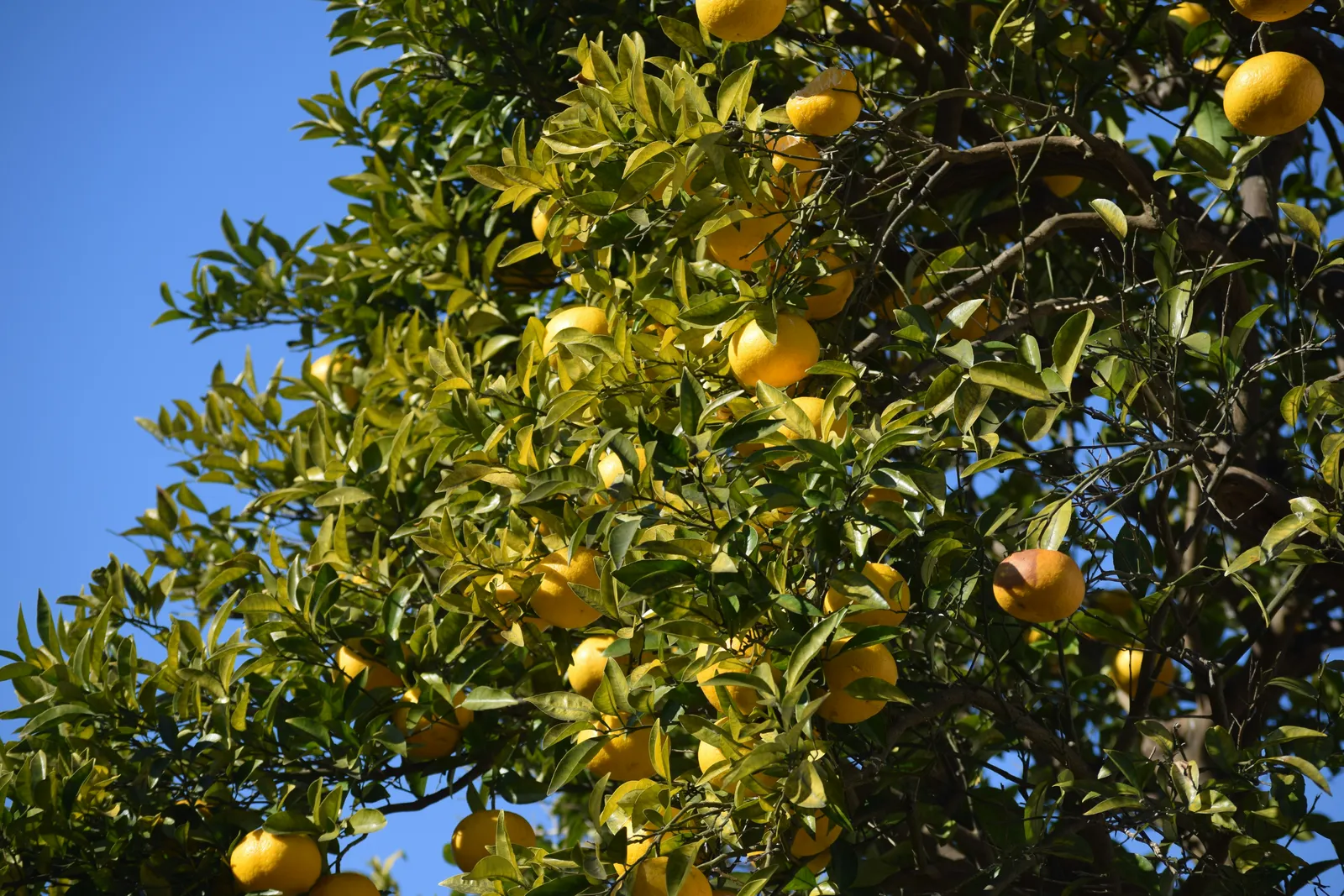

Yuzu has moved from occasional appearances on restaurant menus to a topic of real interest among American gardeners. The small, bumpy fruit carries a layered citrus aroma that stands apart from more familiar varieties. Its ability to survive cold temperatures has opened new possibilities for home growers in temperate regions.
A Citrus Built for Cooler Climates
Yuzu originated in China and reached Japan and Korea centuries ago. Botanists describe it as a natural hybrid between the Ichang papeda and a wild sour mandarin. That parentage gives the tree exceptional cold tolerance, allowing it to withstand temperatures as low as 10 degrees Fahrenheit. Gardeners in parts of the United States have begun planting yuzu because of this resilience. Most commercial citrus would suffer in similar conditions. The trees remain compact enough for many home landscapes, though their thorns require careful handling during pruning and harvest.
Flavor That Layers Tart, Bitter, and Floral Notes
The taste of yuzu combines bright acidity with subtle bitterness and a soft sweetness. A distinct floral quality runs through both the juice and the zest. Food scientists have identified more than 60 volatile compounds responsible for this complexity, far more than in standard lemons or limes. Cooks rarely eat the fruit whole. The flesh contains many seeds and yields little juice relative to its size. Instead, the zest provides intense aroma while the juice serves as a finishing accent in dressings, sauces, and drinks. This restrained use preserves the fruit’s character without overwhelming other ingredients.
Practical Growing and Sourcing Realities
Fresh yuzu remains limited in the United States. Import rules restrict fruit from Japan to protect against citrus greening disease. Most fresh supply now comes from California orchards or Korean producers. Peak season runs from November into December, when specialty grocers sometimes stock the fruit at several dollars apiece. For gardeners, grafted trees reach productive age in three to five years. Seed-grown trees take considerably longer. Yields stay modest compared with commercial citrus, and the thorny branches add labor to each harvest. These factors keep fresh fruit prices high and encourage many cooks to rely on bottled juice or frozen zest instead.
Expanding Uses Beyond the Kitchen
Yuzu appears in ponzu sauce, yuzu kosho paste, and an increasing number of cocktails. The essential oil pressed from the peel also finds its way into fragrances and skincare products. Its high limonene content contributes both scent and antioxidant properties valued by formulators. Home gardeners who succeed with the trees often report satisfaction from having a reliable source of zest and juice close at hand. The same cold hardiness that makes the plant viable in more northern gardens also supports its growing reputation as a distinctive addition to edible landscapes. Yuzu’s combination of resilience and distinctive aroma continues to draw attention from both cooks and cultivators. As domestic production expands, more gardeners may find room for this unusual citrus in their own yards.
AI Disclaimer: This article was created with the assistance of AI tools and reviewed by a human editor.