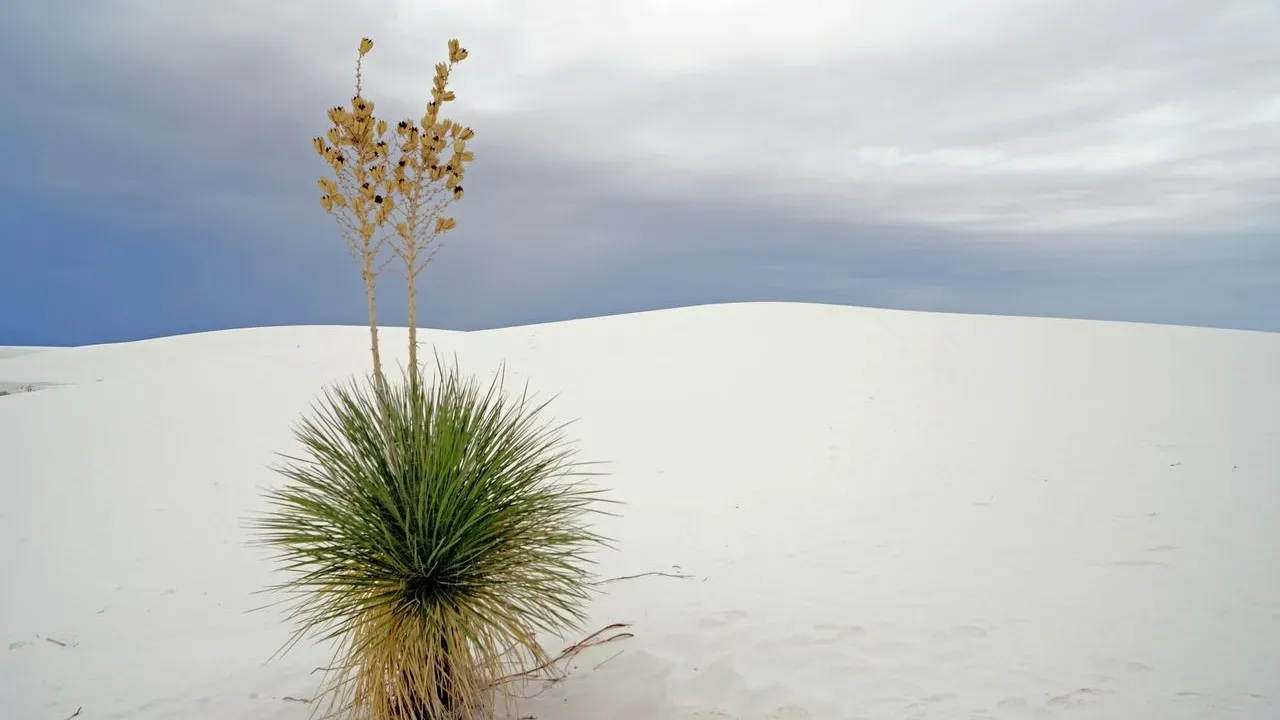

In regions where summer heat intensifies and water supplies tighten, many gardeners look for plants that deliver strong visual presence without constant irrigation. Yucca meets that need as a drought-tolerant succulent built for hot climates and water-wise designs. It suits both xeriscaping schemes and container displays, where its bold form stands out while demanding little ongoing effort once roots settle.
Why This Succulent Commands Attention
Yucca plants bring architectural lines and evergreen foliage that hold their shape through long dry spells. Their ability to store water in thick leaves and roots allows them to persist where other ornamentals would wilt. Homeowners facing watering restrictions often turn to these plants because they maintain color and structure with far less supplemental moisture than typical garden favorites. The result is a low-maintenance option that still creates focal points in beds, borders, or patios. Because yucca tolerates poor soils and intense sun, it reduces the need for soil amendments or shade structures in challenging spots. Gardeners report fewer pest issues compared with thirstier species, further lowering upkeep demands.
Site Selection and Soil Needs
Full sun exposure brings out the strongest growth and flowering in most yucca varieties. Well-drained ground prevents root rot, a common concern in heavier soils that hold moisture too long. Raised beds or slopes often provide the drainage these plants prefer without extra intervention. Amending clay soils with coarse sand or gravel improves conditions quickly. Yucca adapts to a range of pH levels, though neutral to slightly alkaline ground tends to support steady development. Testing drainage before planting saves time later by avoiding soggy conditions that stress the plant.
Planting Options: Ground or Containers
Direct planting in the landscape works well for larger spaces where the plant can reach its mature size. Space specimens according to their expected spread to allow air circulation and prevent crowding. Early spring or fall planting gives roots time to establish before peak summer heat arrives. Container growing offers flexibility for patios, decks, or renters who may move. Choose pots with ample drainage holes and use a gritty, fast-draining mix designed for succulents. Containers also let gardeners move plants indoors or to sheltered spots during unusually wet winters in borderline climates.
Watering, Feeding, and Seasonal Care
Newly planted yucca benefits from occasional deep watering during the first growing season to encourage root expansion. After establishment, natural rainfall usually suffices in suitable climates, with supplemental water only during extended droughts. Overwatering remains the main risk, so allowing soil to dry between applications protects long-term health. Fertilizer needs stay minimal. A light application of balanced, slow-release product in spring supports growth without pushing excessive foliage that could weaken the plant. Pruning spent flower stalks and removing damaged leaves keeps the appearance tidy while directing energy toward new growth. – Monitor soil moisture before watering rather than following a fixed schedule. – Remove offsets or pups in spring if containment becomes an issue. – Protect young plants from extreme winter cold with temporary covers in marginal zones. – Watch for scale insects and treat early with horticultural oil if needed.
Long-Term Value in Changing Climates
Yucca’s combination of toughness and striking form makes it a practical choice for landscapes that must balance beauty with resource conservation. Its performance in hot, dry conditions aligns with broader trends toward reduced irrigation and resilient plantings. Once established, the plant continues to provide structure and interest for many years with only occasional attention. Gardeners who select yucca often find it rewards their restraint by thriving where more demanding species struggle. This reliability supports both aesthetic goals and practical water management in home landscapes.
AI Disclaimer: This article was created with the assistance of AI tools and reviewed by a human editor.