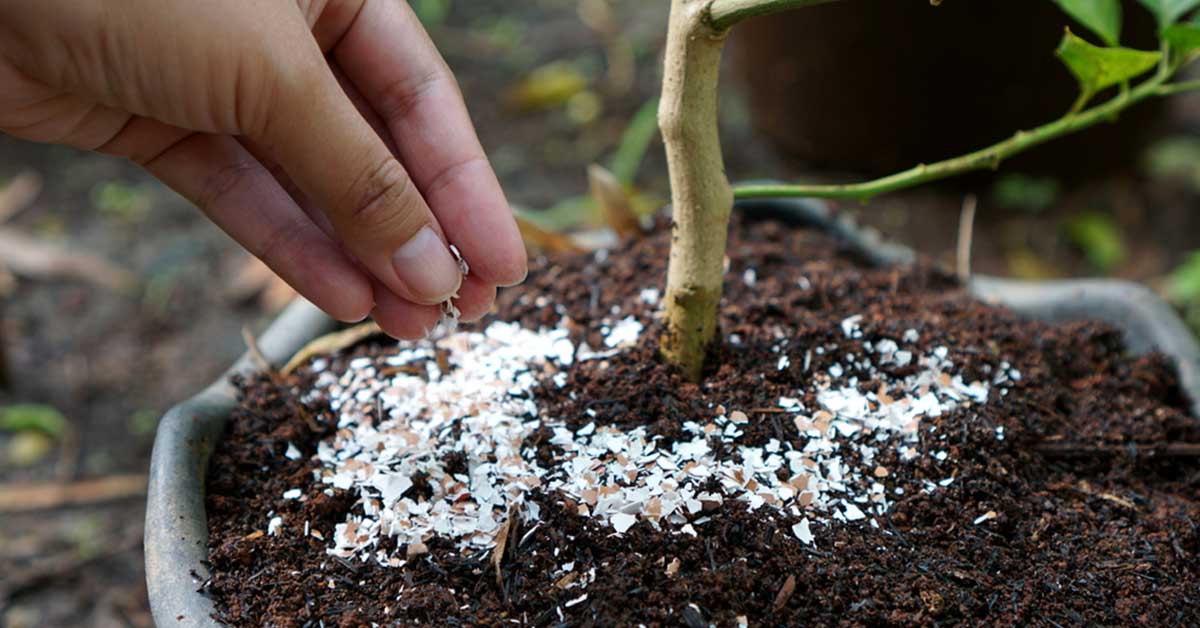

Walk into any garden center and you will find shelves packed with products labeled as “organic soil boosters,” “natural enhancers,” or “miracle amendments.” They promise bigger blooms, healthier plants, and thriving soil ecosystems, often with the allure of being eco-friendly. The problem? Many of these expensive additives do little or nothing to improve your garden’s soil health.
Understanding how soil actually works can save you money and frustration. Healthy soil depends on a balance of organic matter, beneficial microbes, minerals, and proper structure. No single product in a flashy bag can magically transform poor soil into a gardener’s paradise. Let’s break down the most overhyped “organic” soil additives and explore what really works to build long-term soil health.
Rock Dusts and Mineral Powders
Rock dusts are heavily marketed as a way to “remineralize” your soil, promising better plant growth and higher yields. While it is true that soil needs minerals, many rock dust products contain nutrients that are already abundant in your native soil. Without a soil test, you are just guessing—and often paying for minerals your garden does not actually need.
Even when deficiencies exist, rock dusts release nutrients extremely slowly, meaning they rarely provide quick or noticeable benefits to plants. In many cases, adding compost achieves better results by improving nutrient cycling naturally through organic matter and microbes. Before spending money on bags of volcanic ash, basalt dust, or crushed granite, start with a simple soil test to determine whether your soil is lacking specific nutrients. Otherwise, you may be investing in an additive that has no measurable impact on your plants.
Mycorrhizal Inoculants
Many “organic” products claim to boost plant health by adding mycorrhizal fungi, which form beneficial relationships with plant roots to improve nutrient and water uptake. While this sounds great in theory, the truth is that most garden soils already contain native populations of mycorrhizae. Adding more often does not create a stronger network—it simply introduces fungi that usually cannot compete with what is already there.
These products can be especially ineffective in established garden beds, where healthy soil ecosystems are already functioning. Unless your soil has been sterilized, heavily disturbed, or chemically damaged, it likely already has a thriving community of mycorrhizal fungi. Instead of spending money on inoculants, focus on practices that naturally support these beneficial microbes, such as reducing tilling, avoiding synthetic chemicals, and adding compost to feed the soil food web.
Humic Acids and “Soil Conditioners”
Humic acid products are often marketed as miracle amendments that increase nutrient availability, improve root growth, and boost plant performance. However, numerous studies show inconsistent or negligible benefits for home gardeners, especially when using products derived from leonardite or other mined sources. In most cases, these additives do not significantly change soil structure or nutrient content.
Healthy soils already contain natural humic substances created through the breakdown of organic matter. If you maintain your soil with compost, mulches, and plant residues, you are already supplying the beneficial compounds these products claim to provide. Instead of spending money on bottled “soil conditioners,” investing in organic matter through compost or cover crops will yield better, longer-lasting improvements to soil fertility and structure.
Worm Castings and “Supercharged” Vermicompost
Worm castings are a favorite among gardeners, and there is no denying that they contain nutrients and beneficial microbes. However, the marketing behind many premium-priced worm casting products exaggerates their effects. Adding a small sprinkle of worm castings to your garden bed is unlikely to significantly improve overall soil fertility or microbial diversity.
The key with worm castings is volume and integration. For noticeable results, they need to be incorporated in larger amounts or combined with compost and organic matter. Buying expensive “supercharged” or “microbe-boosted” castings often provides minimal benefit compared to making your own vermicompost at home or purchasing bulk, untreated castings. When used strategically, they can enhance soil health—but relying on them alone as a miracle solution is rarely effective.
Compost Teas and Microbe Boosters
Compost tea is often marketed as a way to drench your soil and plants in “beneficial biology” for explosive growth. While the concept sounds promising, research on compost tea’s effectiveness is mixed. Brewing teas improperly can actually encourage the growth of harmful bacteria, and even when made correctly, the benefits are often marginal compared to simply adding compost directly to the soil.
Similarly, many bottled “microbial boosters” promise to add billions of beneficial organisms to your garden, but most strains die off quickly after application unless the soil conditions are perfect. Instead of buying expensive microbial products, focus on feeding the organisms already present in your soil. Regular applications of compost, mulch, and organic matter create a thriving, self-sustaining community of microbes without the need for costly shortcuts.
Coconut Coir and Peat-Free “Soil Savers”
Coconut coir has become a popular “organic” soil additive touted as a sustainable alternative to peat moss, but it is not always the miracle product it claims to be. While coir improves water retention and aeration in potting mixes, it contains very few nutrients and often requires supplemental fertilizers to be effective for plant growth.
Many products marketed as peat-free “soil enhancers” rely on coir or similar inert fibers that do little to improve long-term soil health. While coir can be useful in specific applications, such as seed-starting or container gardening, relying on it as a primary soil amendment does not deliver the fertility benefits its marketing suggests. Pairing coir with compost and organic matter is far more effective for creating rich, living soil.
The Better Way to Build Healthy Soil
Rather than spending hundreds of dollars on heavily marketed additives, the foundation of healthy soil comes from simple, time-tested practices. Adding compost, mulching with organic materials, minimizing soil disturbance, and planting cover crops all contribute to better soil fertility, structure, and microbial activity. These approaches work with nature instead of trying to shortcut it with expensive products.
Before purchasing any soil amendment, start with a basic soil test. Understanding your soil’s nutrient profile, pH, and organic matter levels allows you to make informed decisions about what, if anything, your garden actually needs. By focusing on balanced, evidence-based strategies, you will save money and create a thriving garden ecosystem that sustains itself naturally.