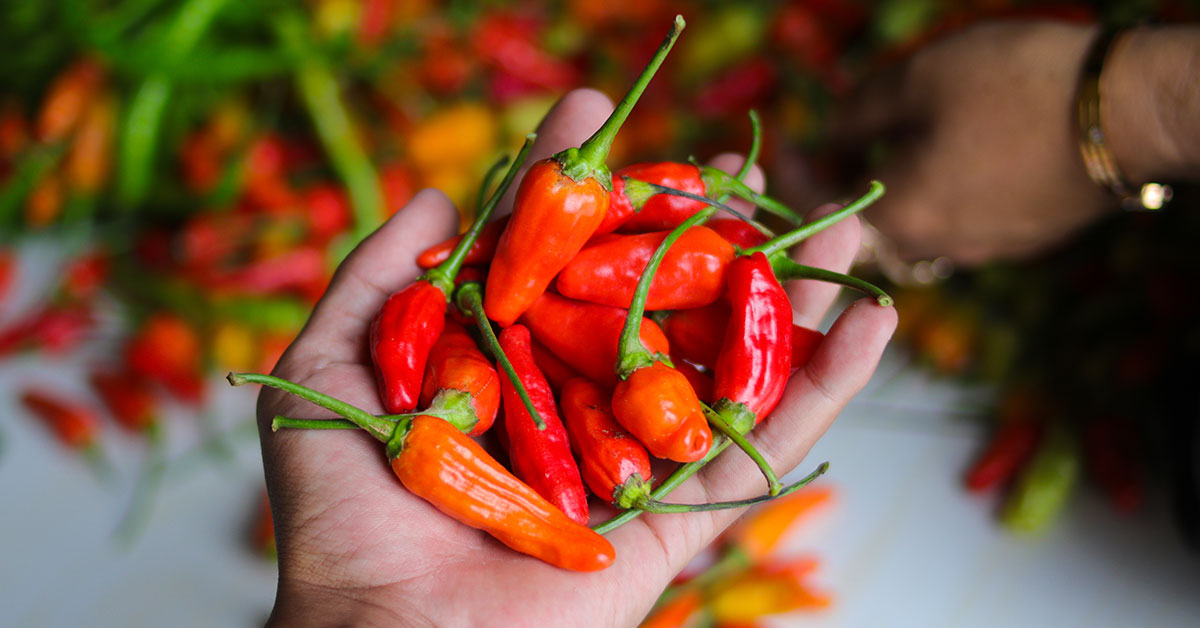

Most gardeners treat peppers like annuals—plant them in spring, enjoy the harvest all summer, and then sadly watch them fade with the first frost. But here’s the exciting truth: peppers are actually perennials in their native climates! These plants, which hail from warmer regions of Central and South America, are built to keep growing and producing for years if you can protect them from the cold. Once I learned this, it completely changed how I approached my pepper plants. Instead of starting from scratch every year, I’ve been able to keep the same plants going season after season, often with bigger yields the second year because they already have an established root system.
Overwintering peppers isn’t just a fun challenge—it’s also a smart way to get a head start on next year’s harvest. By saving your best plants, you skip the seedling stage and start spring with mature peppers ready to flower as soon as the weather warms up. Plus, some rare or heirloom varieties are hard to find each year, so keeping your existing plants alive ensures you don’t lose them. The process takes a bit of planning, but with the right care, you can keep your peppers thriving indoors until it’s safe to plant them out again.
Choose the Healthiest Plants to Keep
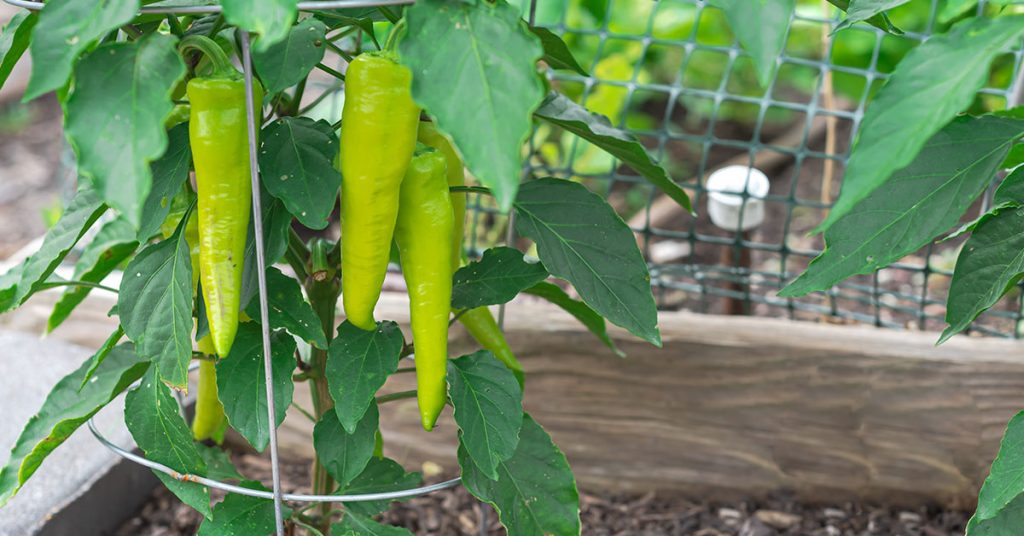
Not every pepper plant is a good candidate for overwintering. Start by selecting your healthiest, most productive plants—ones with strong stems, no signs of disease, and a history of producing peppers you love. There’s no point in nursing along a plant that’s already struggling, as it may not bounce back well in spring.
I usually pick my most flavorful varieties or those that take a long time to mature, since overwintering gives them a serious jump on the season. If your peppers have been attracting beneficial insects like ladybugs or lacewings, you may want to keep those plants, too—healthy foliage can provide habitat for these helpful garden allies once they move back outside.
Trim and Prune Before Bringing Inside
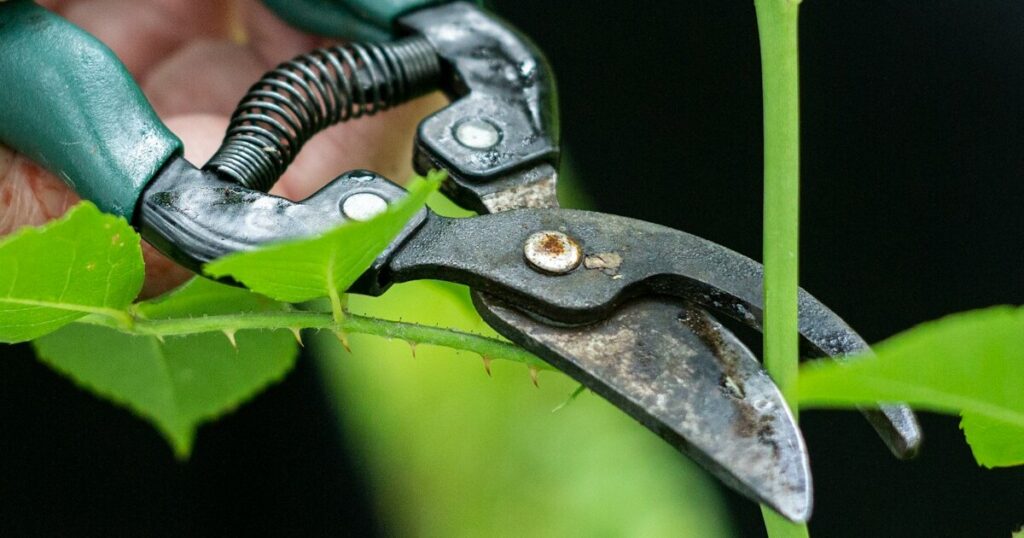
Before moving your peppers indoors, give them a thorough trim. Cutting them back to about one-third of their height reduces stress, encourages new growth in spring, and makes them easier to manage in limited indoor space. Remove any dead or damaged branches and strip off any remaining fruit so the plant can focus on survival instead of ripening.
This pruning step also helps you spot pests hiding on leaves or stems. Aphids, spider mites, and whiteflies can hitch a ride indoors if you’re not careful. I like to hose down the plant thoroughly before bringing it in—this knocks off pests and dust while reducing the risk of indoor infestations.
Check Roots and Repot if Necessary
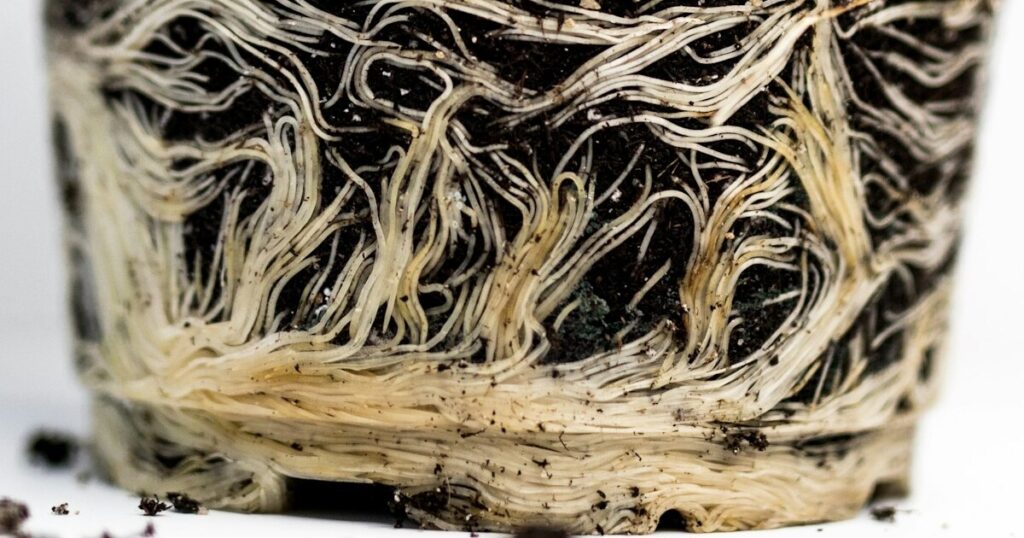
If your peppers have been in the ground, you’ll need to dig them up with as much of the root ball intact as possible. For container-grown peppers, you may still want to refresh their soil before bringing them inside. Choose a pot that’s just slightly larger than the root ball to avoid excessive moisture retention, which can cause rot indoors.
Peppers prefer well-draining soil with a bit of organic matter, so I mix in compost or aged leaf mold. This gives them a nutrient boost while helping the soil hold just the right amount of moisture. Once they’re potted up, I let them sit in a shaded outdoor spot for a few days so they can recover from transplant shock before moving inside.
Provide Bright Light Indoors
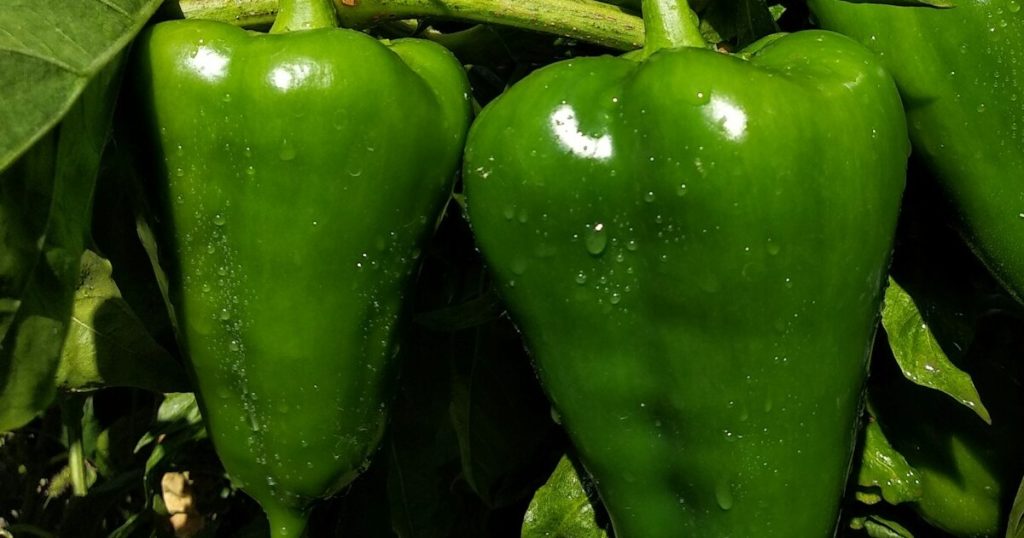
Peppers are sun lovers, and moving them indoors can be a shock if you don’t provide enough light. A sunny south-facing window may be enough for small plants, but larger or multiple plants often do best under a grow light. Aim for 12–14 hours of light a day to keep them healthy through winter.
While peppers won’t typically produce much fruit indoors during winter, good light ensures they maintain strong stems and healthy leaves. This way, when spring comes, they’re ready to leap back into production. I’ve noticed that plants with plenty of light all winter start flowering much earlier than those kept in dim conditions.
Water Carefully to Prevent Rot
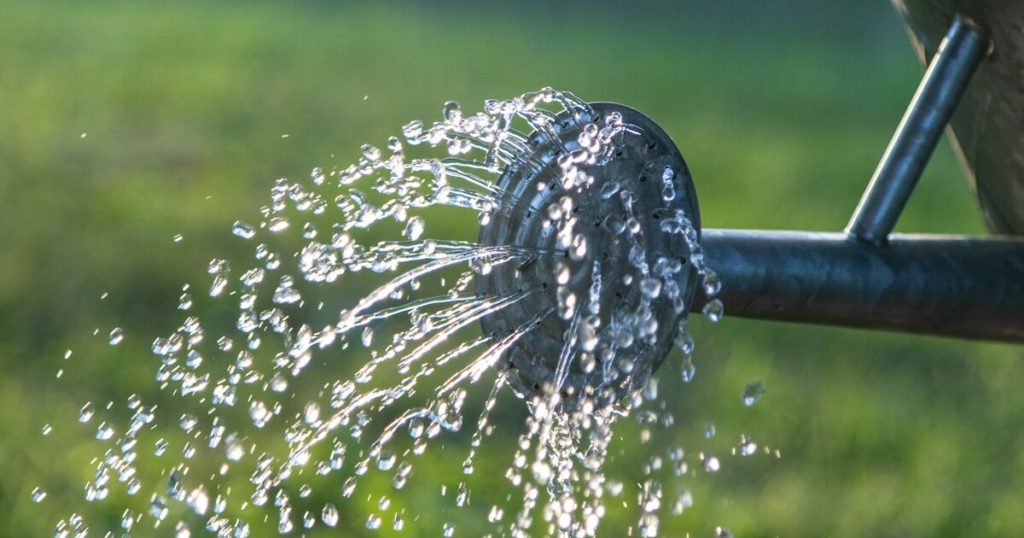
One of the easiest mistakes to make when overwintering peppers is overwatering. Because they grow more slowly indoors, they don’t need nearly as much water as they did outside in summer heat. Let the top inch or two of soil dry out between waterings, and always empty saucers so roots don’t sit in water.
This slower watering schedule actually mimics their native dry-season conditions, encouraging them to rest while still staying alive. In fact, peppers can handle slightly drier soil in winter better than they can soggy soil—overly wet conditions are a quick path to root rot.
Keep Indoor Temperatures Stable

Peppers hate temperature swings, so try to keep them in a room that stays between 60–75°F. Avoid placing them near drafty windows, heating vents, or exterior doors where sudden blasts of hot or cold air can stress them.
This temperature range mimics the mild conditions peppers would experience in their native range during their off-season. A little nighttime cooling is fine—some gardeners even find that slightly cooler nights help peppers hold onto their leaves indoors.
Monitor for Indoor Pests
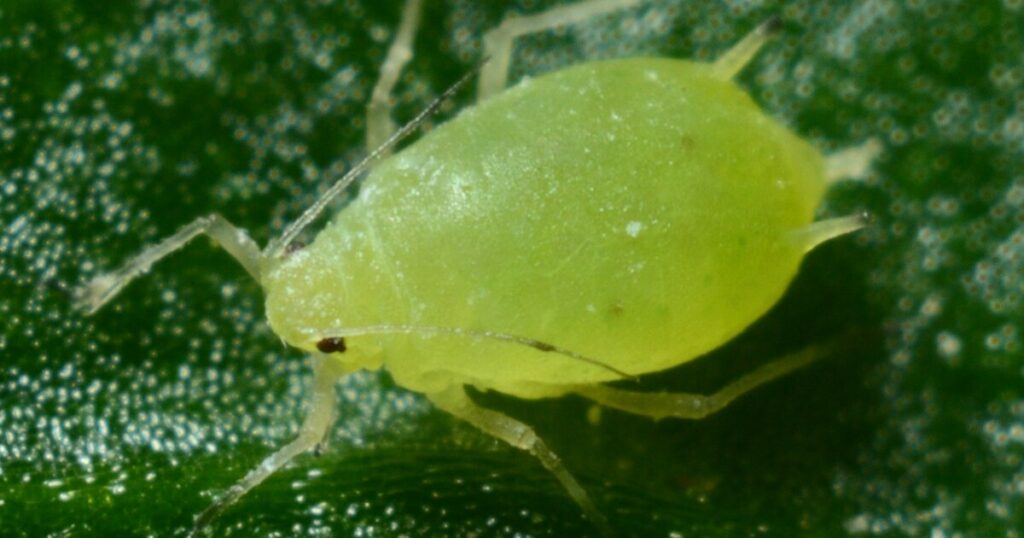
Even if you check your peppers before bringing them inside, pests can still appear during winter. Spider mites, whiteflies, and aphids are the most common culprits, especially in warm, dry indoor air. Check the undersides of leaves regularly and deal with problems quickly before they spread to other houseplants.
I like to give my overwintering peppers a gentle shower every couple of weeks—this not only washes off dust but also helps dislodge pests. If an infestation gets bad, insecticidal soap or neem oil sprays can help, but always use them sparingly indoors and avoid spraying too close to other plants you want to keep clean.
Don’t Expect Heavy Winter Harvests
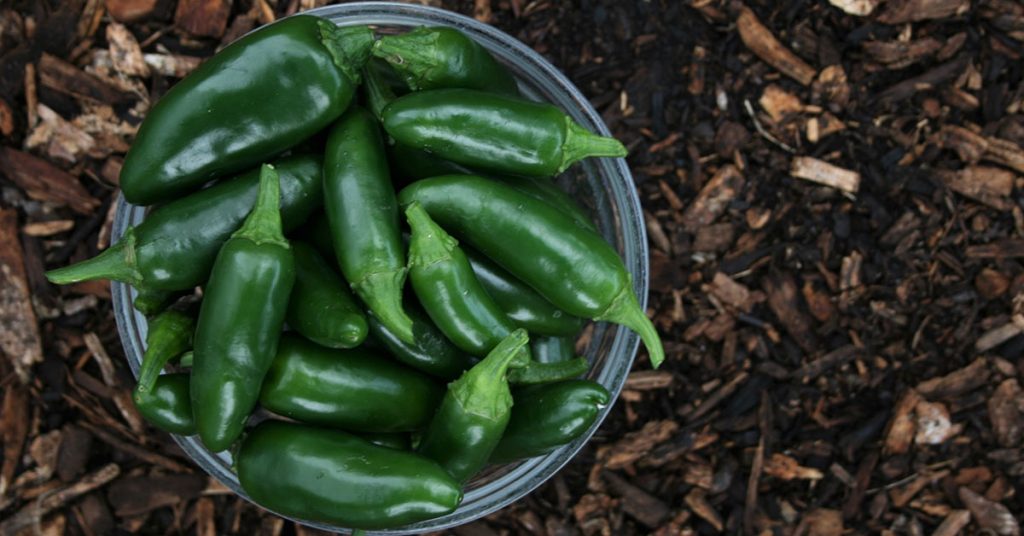
Even with great care, peppers generally slow down in winter and may stop flowering altogether. This is normal—they’re focusing on survival and conserving energy for spring. If you really want winter peppers, you can try smaller, fast-maturing varieties, but most gardeners use this time as a rest period for their plants.
Think of overwintering as pressing pause on the growing season. The real reward comes in spring, when your peppers will already be mature and ready to set fruit weeks—sometimes months—before newly planted seedlings.
Gradually Reintroduce Them to the Outdoors

When warm weather returns, don’t just plop your peppers back outside—harden them off gradually over 7–10 days. Start by giving them a few hours of morning sun, then slowly increase their time outdoors while protecting them from strong wind or harsh midday heat.
This easing-in process prevents sunscald and helps them adjust to outdoor humidity and light intensity. Once they’re back in their preferred environment, you’ll be amazed at how quickly they take off and start producing again.
Take Cuttings as a Backup Plan

If you’re nervous about losing your pepper plant over winter, you can take cuttings before bringing it inside. Root these in water or a light potting mix, and you’ll have smaller backup plants in case the main one doesn’t make it. These cuttings can also be grown alongside your overwintered peppers to give you even more plants next season.
Some gardeners even prefer this method because it’s easier to manage smaller plants indoors. Plus, starting from cuttings of an already mature plant means your new peppers will still have that head start when spring comes.