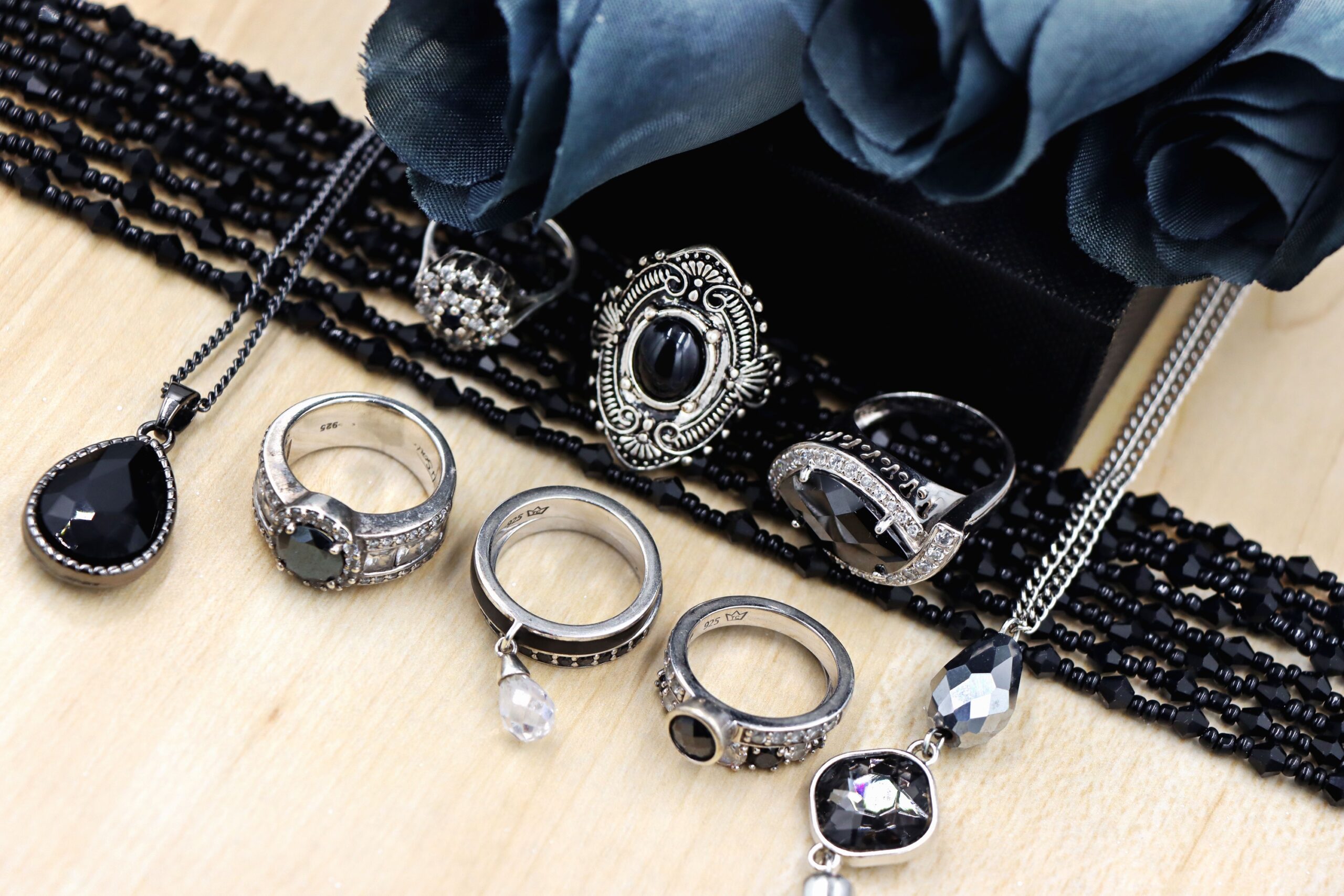

There’s a good chance that dusty box of jewelry sitting in a closet or attic right now is worth far more than anyone in your family has ever imagined. Pieces dismissed as cheap accessories, passed down without a second thought, are quietly turning up at auction houses and fetching prices that leave heirs genuinely speechless.
The term “costume jewelry” was never really a measure of quality. It was a category. Designers from Chanel to Miriam Haskell made pieces without precious metals or genuine gems that were nonetheless crafted with extraordinary care. Knowing the difference between something truly worthless and something surprisingly valuable is simply a matter of knowing what to look for.
The Line Between Vintage and Antique Actually Matters
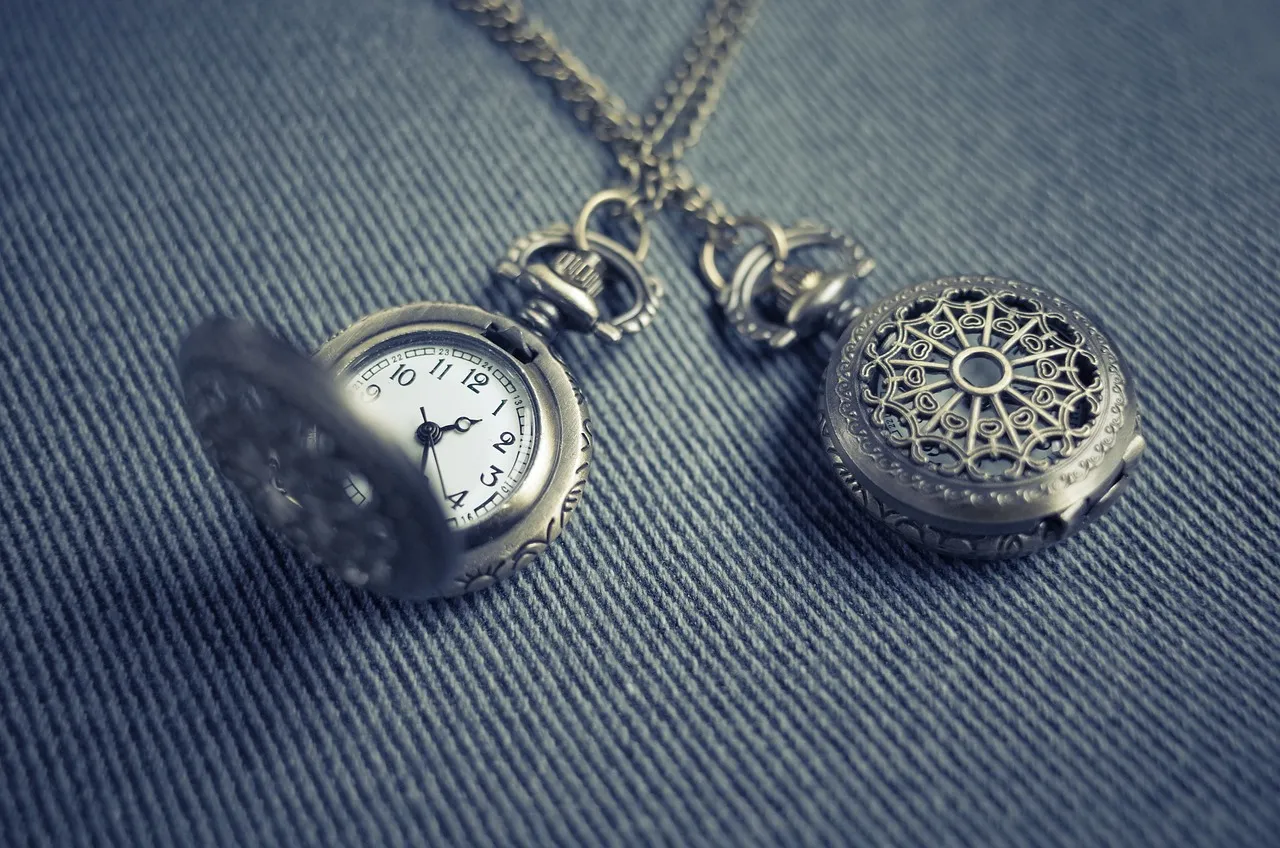
Vintage costume jewelry is typically 20 to 100 years old, while antique pieces are over 100 years old. That distinction isn’t just a technicality. It directly shapes how appraisers, dealers, and collectors assess what you have.
Most collectible costume jewelry falls into the vintage category, since the industry’s golden age occurred in the mid-20th century. Age alone doesn’t determine value, though. A well-made vintage piece from a renowned maker can be worth more than an older, common antique piece.
So don’t assume that older automatically means better. A mid-century Trifari brooch in pristine condition may outperform an obscure Victorian trinket at today’s auction. Context and craftsmanship count for more than years.
The Brands That Actually Move the Market
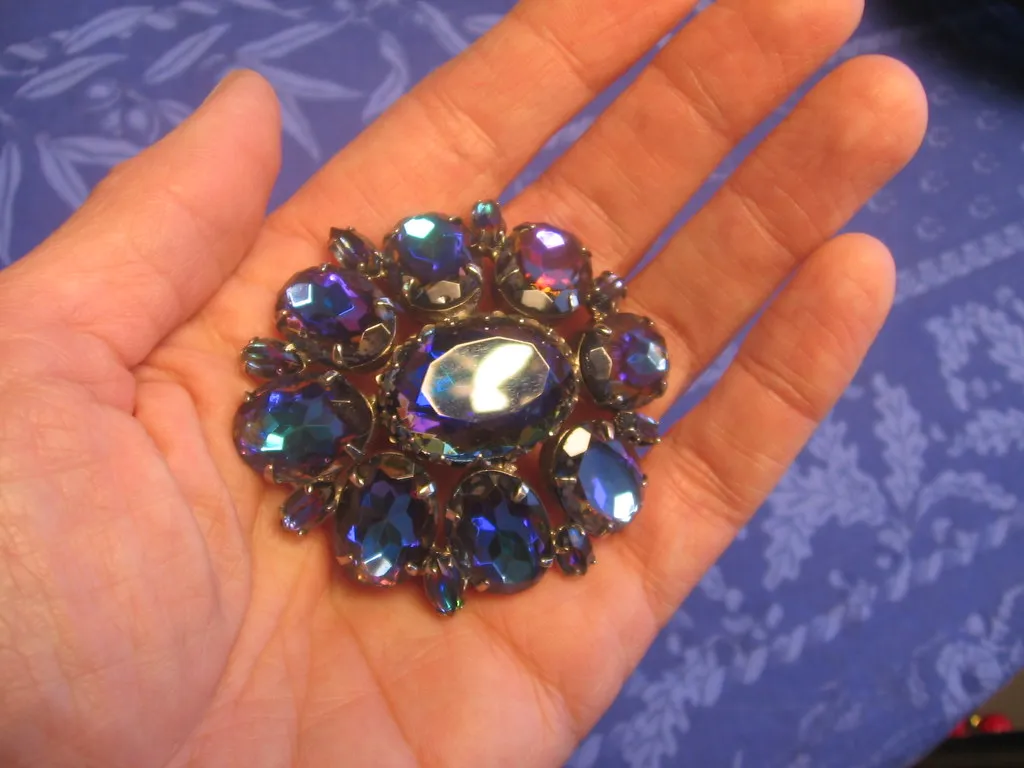
Because costume jewelry doesn’t often feature precious metals or genuine gemstones, its value usually comes from other aspects, such as the maker, style, type, condition, and age. Vintage costume jewelry produced by Trifari, Chanel, Christian Dior, Miriam Haskell, Sarah Coventry, and Kenneth Jay Lane are just some examples of pieces that may be sought after by collectors.
Vintage and antique pieces from luxury makers like Cartier, Tiffany and Co., Bulgari, Van Cleef and Arpels, and David Webb often appreciate over time, and older costume jewelry made by Trifari, CINER, Miriam Haskell, and Coro may also fetch high prices due to the great demand for it.
Since the 1920s, Trifari has been one of the most respected and admired producers of costume jewelry in the United States. Founded in the 1910s by Gustavo Trifari, the Italian-immigrant son of a Napoli goldsmith, the company designed jewelry worn by countless high-profile clients, from Mamie Eisenhower to Madonna.
Real Auction Prices That Will Surprise You

Skeptical that rhinestones and glass beads can command serious money? The auction record says otherwise. In 2024, a Trifari necklace designed with enamel, crystals, and rhinestones made to look like emeralds and diamonds fetched $3,600. That same year, a Christian Dior necklace made of red glass beads and designed by John Galliano went for $4,400.
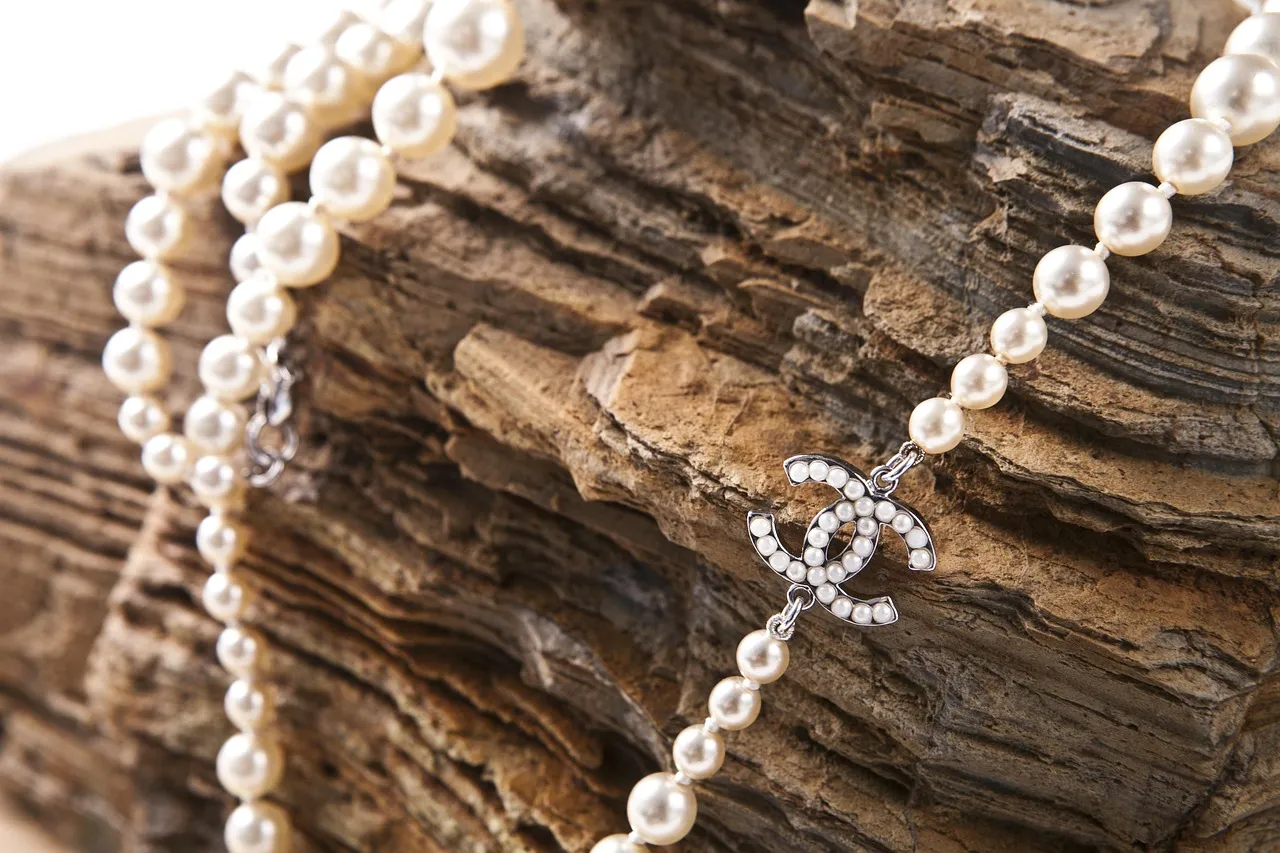
A five-piece Chanel set with a fake pearl choker and brooch with two pairs of crystal earrings sold for $2,772 in 2024. A Miriam Haskell set containing a ruby-colored crystal and diamond-like rhinestone necklace with earrings sold for $950 in 2024.
Brooches can fetch serious cash, like a Chanel gilt metal and glass brooch with fake pearls that sold for $2,142 in 2023. A Schreiner brooch with a Peking glass center accented with rhinestones and crystals made $3,400. These are not outliers. They reflect a consistent, active collector market.
Miriam Haskell: When Costume Jewelry Became Wearable Art
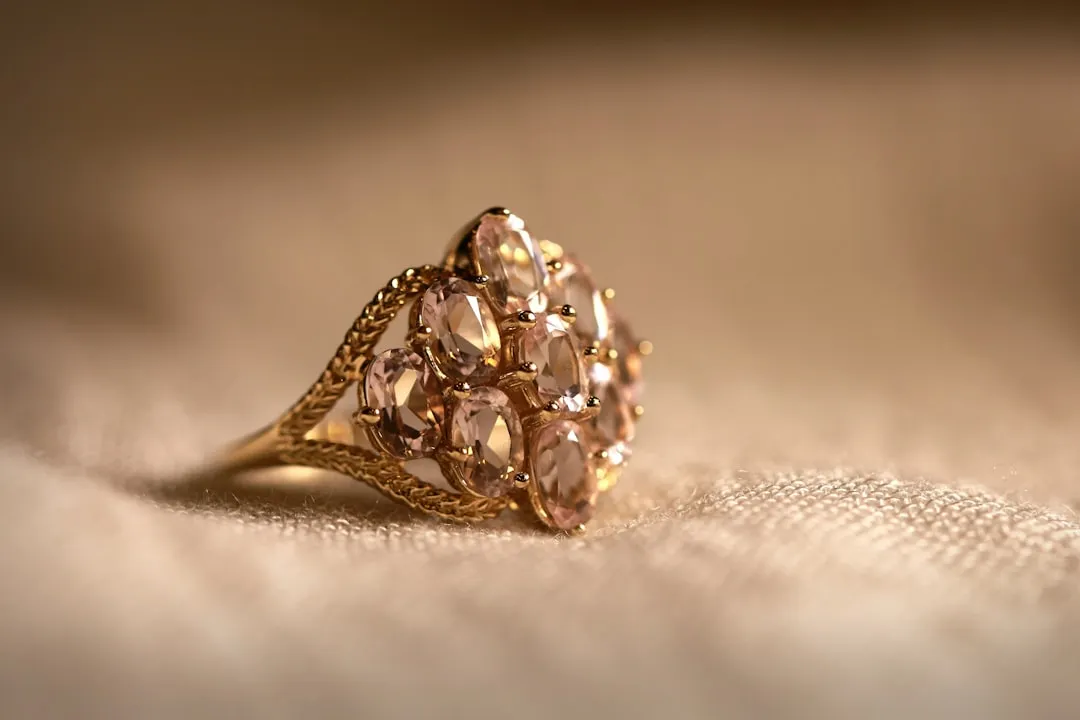
In the world of vintage costume jewelry, few names command the respect and collector enthusiasm of Miriam Haskell. While her contemporaries Coco Chanel and Elsa Schiaparelli dominated European markets, Haskell built an American jewelry empire that rivaled fine jewelry in craftsmanship and desirability. Her pieces graced the brightest stars in Hollywood and European royalty, transforming costume jewelry from disposable fashion into collectible art.
Miriam Haskell transformed seed beads and Russian brass filigree into museum-quality art. That’s not hyperbole. Her construction techniques were intensely labor-intensive, and serious collectors have always known it.
On the PBS Antiques Roadshow, a guest presented two Miriam Haskell necklace and earring sets from the 1940s and 1950s, and each set was appraised in the $1,500 to $2,000 range. That’s per set, for jewelry that might easily have been tossed in a donation box.
Hallmarks and Maker’s Marks Are the First Thing to Check
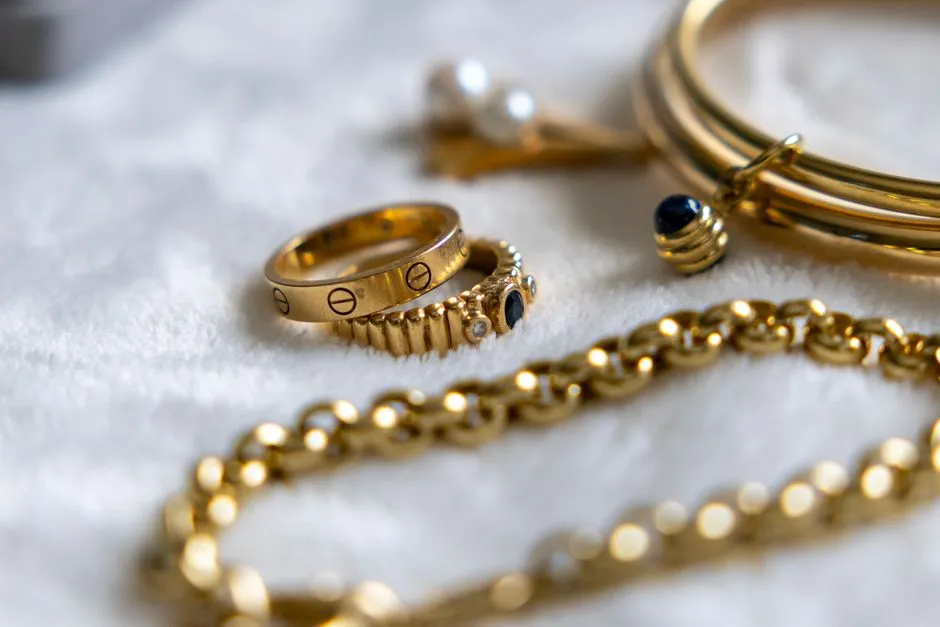
To find out if a piece is antique or vintage, experts check the necklace clasps and earring backs. They also look for hallmarks, a small mark on a piece of jewelry usually found on or near the closure. This mark shows the manufacturer, metal content, or date of creation.
There are many vintage jewelry brands that have distinctive hallmarks, such as the Crown Trifari symbol, the Coro or Corocraft script, or Lisner art deco or block lettering marks. Recognizing these markings is something any owner can learn with a little research and a magnifying glass.
Some marks indicate not just the maker but also the metal content or country of origin. While costume jewelry doesn’t typically feature precious metal stamps like those found on fine jewelry, manufacturer marks can be equally important for establishing provenance and value. Even a partially worn mark is worth documenting before assuming a piece is generic.
Bakelite: The Plastic That Became a Collectible Category of Its Own
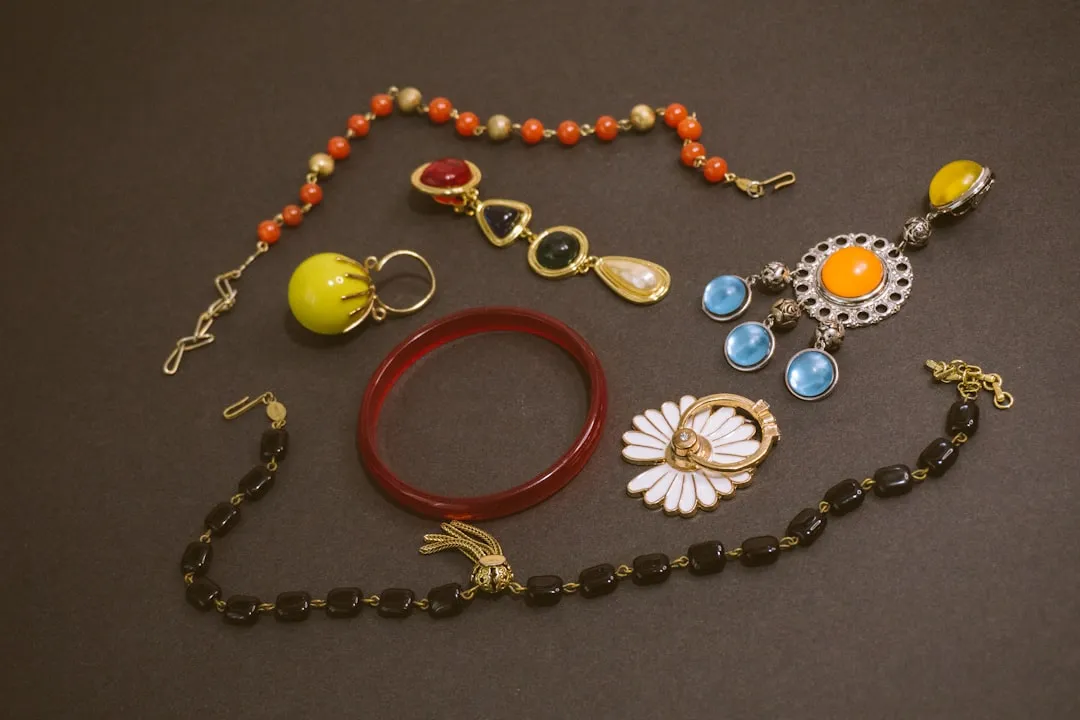
Bakelite was the first fully synthetic plastic, molded into jewelry, radios, flatware handles, and game pieces from the 1920s through the 1940s, and it has been seriously collected for decades. What looks like chunky, colorful plastic to the untrained eye may be one of the most actively traded categories in all of vintage jewelry.
Bakelite is highly collectible and can be worth a significant amount depending on the piece. Originally created in the early 20th century, it was used to make everything from radios to kitchenware and, notably, jewelry. Over time, certain types of Bakelite jewelry, particularly pieces from the 1920s to the 1940s, have become sought after by collectors.
Rarity plays a significant role in value. Certain Bakelite colors, such as apple juice or butterscotch, are harder to find, and pieces in these shades can command higher prices. The fact that Bakelite is no longer manufactured makes it a finite resource, further driving up its cost.
How to Test for Bakelite at Home

Bakelite shares a jewelry box with Lucite, celluloid, and modern resin lookalikes sold as “fakelite,” and the eye alone cannot always tell them apart. The good news is that reliable tests exist and none of them damage the piece.
Run the piece under hot tap water for thirty seconds, then smell it. Real Bakelite gives off a sharp chemical smell from the formaldehyde in its phenolic resin. Celluloid smells like camphor instead, and modern plastics smell like nothing.
An additional method is the Simichrome or Brasso swab test. Rub a small amount of Simichrome polish on a cotton bud and apply it to an inconspicuous area. If the bud turns yellow, you likely have Bakelite. Using multiple tests together gives you the most reliable result.
Craftsmanship Tells Its Own Story
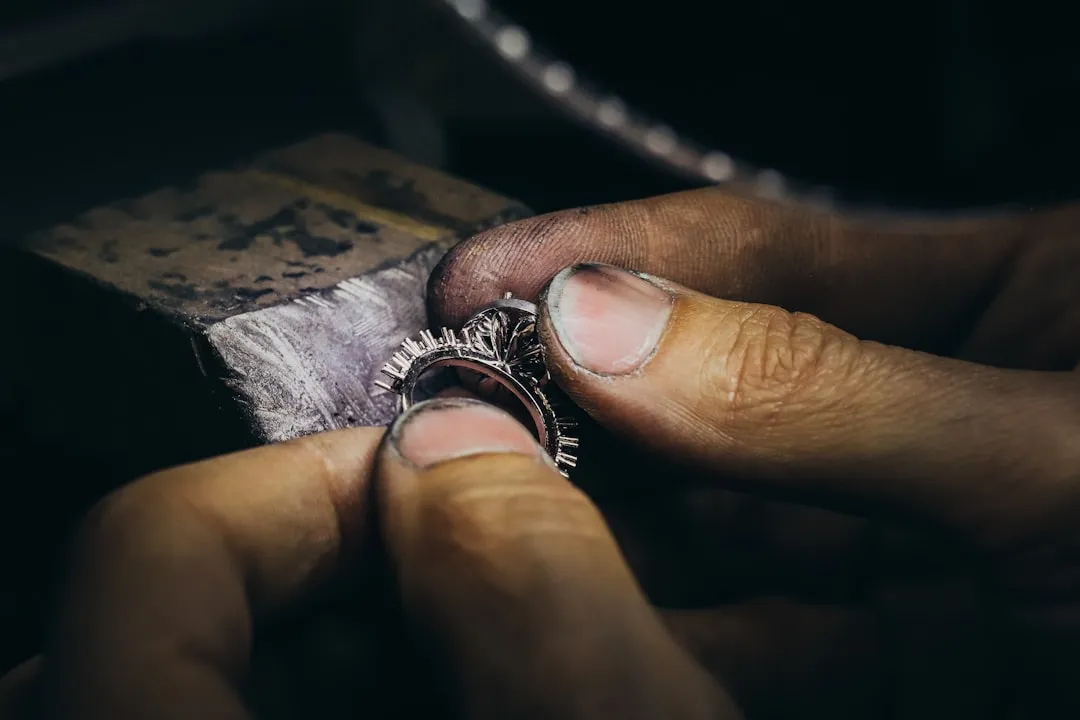
Some popular vintage jewelry manufacturers, such as those producing Bakelite, did not typically include a hallmark on their items. In these cases, experts look for a higher level of craftsmanship than would typically be found in modern costume jewelry.
Most vintage costume jewelry uses higher quality techniques to join materials or fasten stones, even though the materials themselves were inexpensive. Examine how stones are set, how clasps are constructed, and whether there are signs of handwork rather than mass production. Those details matter far more than the material itself.
Real gemstones in costume jewelry are rare but possible. Genuine stones feel cooler to the touch than glass or plastic alternatives and typically show more brilliance and depth of color. However, many high-quality vintage pieces used superior glass that can be difficult to distinguish from genuine stones without professional testing. When in doubt, a professional assessment is the only reliable answer.
The Role of Condition in Final Value
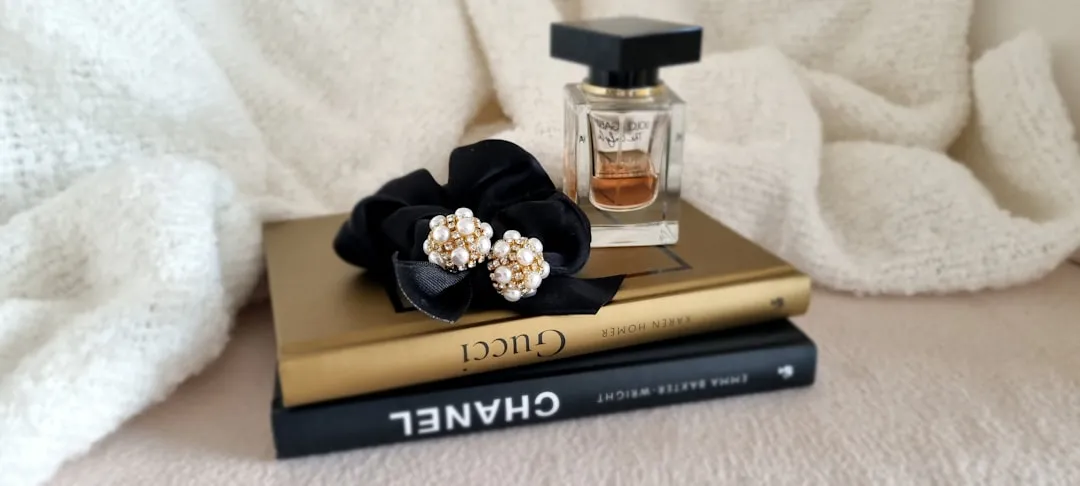
The value of an item is dependent upon many things, including the condition of the object itself, trends in the market for that kind of object, and the location where the item will be sold. A stunning Chanel brooch with a missing stone and a cracked back loses much of its potential at auction.
Even costume jewelry made of less expensive materials may prove valuable due to its style or maker. Because the condition also impacts the potential value of antique pieces, you may wish to have your jewelry evaluated by a certified appraiser or knowledgeable antique dealer.
Storage matters too. Pieces kept in their original boxes, away from humidity and direct light, tend to hold their finish and stones far better than those rattling loose in a drawer for decades. If you’ve inherited a collection in good condition, that fact alone elevates what you’re holding.
When to Get a Professional Appraisal
While you can learn much about costume jewelry evaluation, professional assessment becomes valuable when dealing with potentially significant pieces. An experienced appraiser can identify makers, confirm dating, assess condition, and provide current market valuations. Professional evaluation is particularly worthwhile when you suspect pieces might be from renowned manufacturers or when family pieces have interesting histories that might indicate higher value.
Exquisite pieces made by Chanel, Dior, Givenchy, and Tiffany often rival authentic pieces and at the same time are elegant and timeless. American designers such as Miriam Haskell, William Hobe, and Hattie Carnegie, to name only three of many, produced stunning pieces equal in beauty to fine jewelry made with precious gems and metals.
Getting a second opinion from qualified professionals ensures you don’t overlook valuable items or overestimate common pieces. The cost of a professional appraisal is almost always worth it when a collection has any potential at all.
The Takeaway: Look Before You Donate
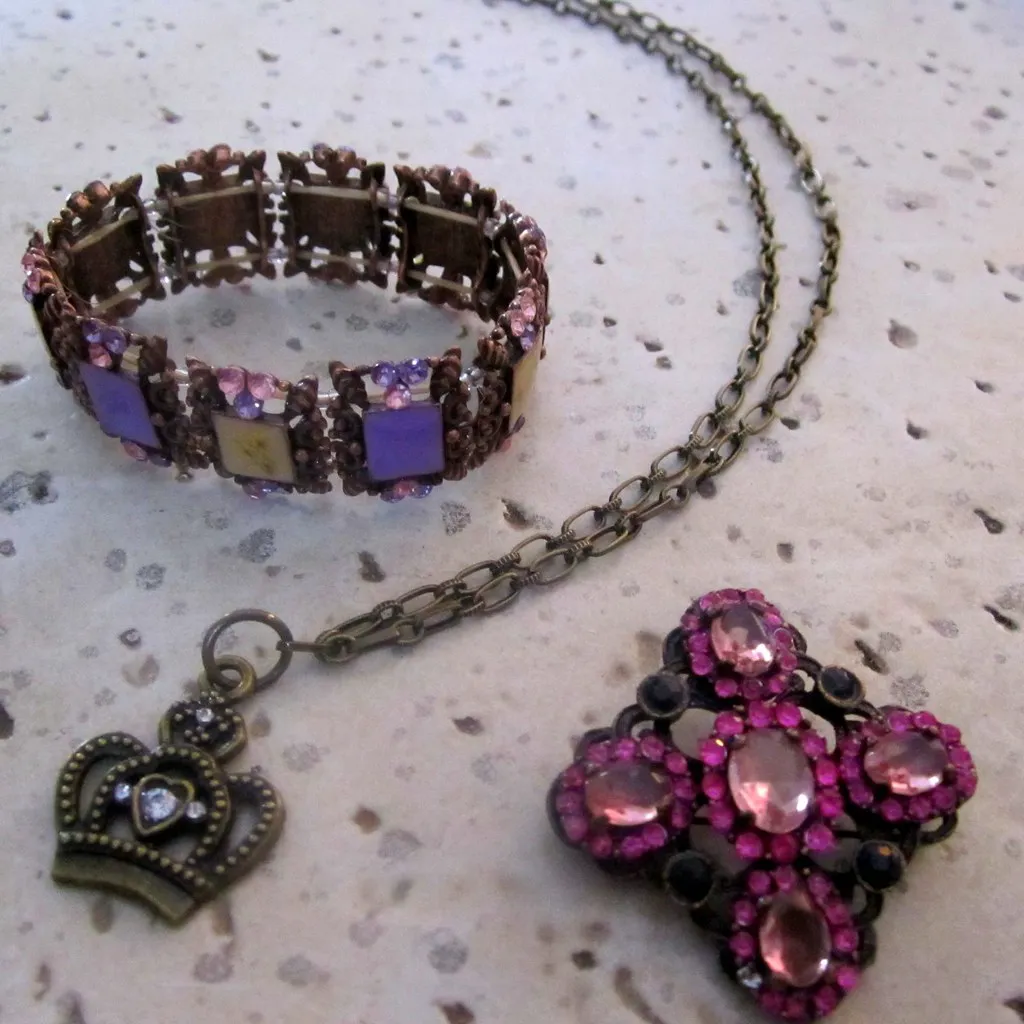
The vintage costume jewelry market is active, well-documented, and full of real money. Pieces that look unremarkable to the uninformed eye are quietly changing hands for hundreds, sometimes thousands, of dollars. The biggest risk isn’t selling something cheap. It’s donating something rare without ever knowing what it was.
Before that jewelry box gets handed off or cleared out, slow down. Check for hallmarks. Run a few tests. Cross-reference names against recent auction results. The information is freely available, and the potential return on a couple of hours of research can be genuinely surprising. What your grandmother wore to a dinner party in 1955 may have been far more considered than anyone ever gave her credit for.
AI Disclaimer: This article was created with the assistance of AI tools and reviewed by a human editor.