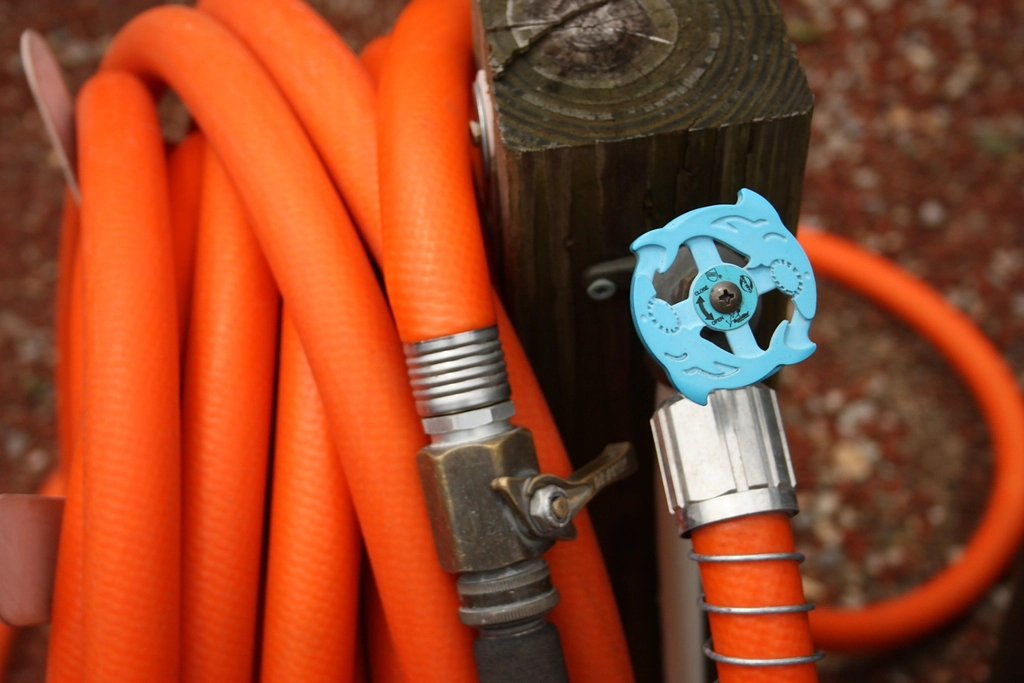

Most home gardeners put enormous care into their soil, their seeds, and their compost. They choose organic fertilizers and research companion planting. What they rarely question is the one tool they reach for every single day: the garden hose. It turns out the humble hose coiled up next to your spigot may be introducing a quiet stream of chemical contaminants directly onto the food you’re growing.
Garden hoses, often overlooked as safe water sources, may harbor hidden chemicals and bacteria that could pose significant health risks. The issue isn’t the tap water itself. It’s what happens to that water as it travels through the hose.
The Problem With Most Standard Hoses
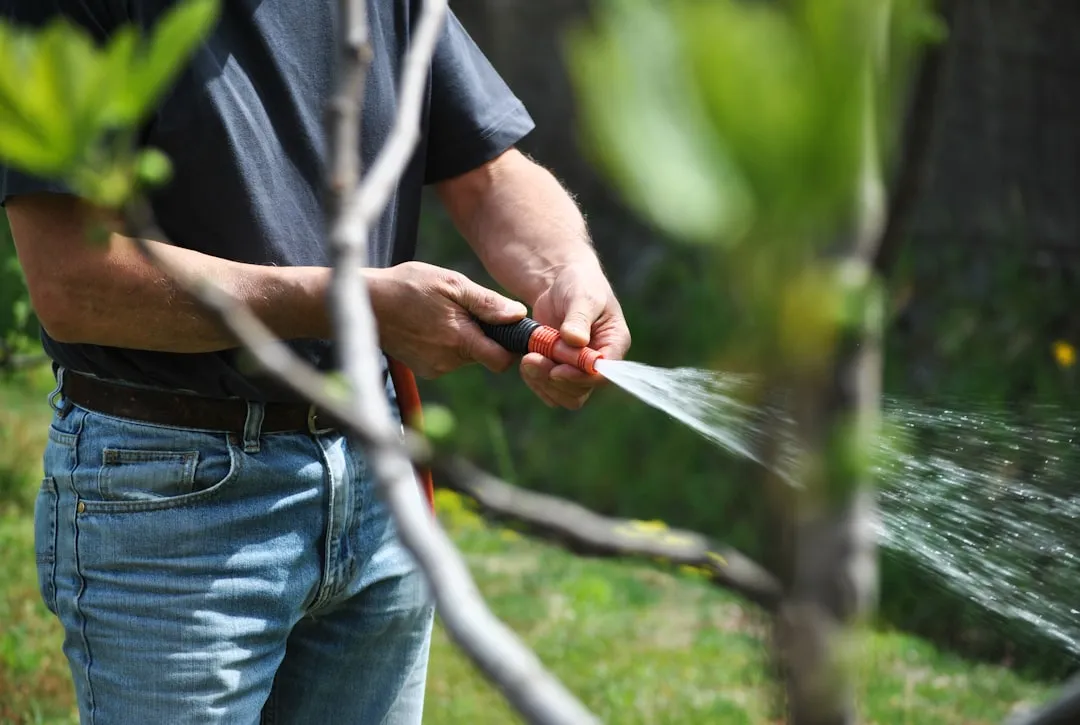
Researchers at the Ecology Center in Ann Arbor, Michigan tested 90 garden hoses and 89 other gardening products and found that two-thirds contained chemical levels of “high concern,” with unacceptable levels of lead, phthalates, and BPA. That’s a striking majority of hoses sold at everyday retail stores.
They tested 32 new garden hoses from Amazon, Lowe’s, Home Depot, Walmart, Target, and Meijer, and analyzed levels of lead, cadmium, tin, mercury, arsenic, antimony, bromine, chlorine, phthalates, and BPA. These aren’t obscure specialty products. They’re the hoses most people bring home without a second thought.
Lead Is Still a Real Concern
Lead exposure can induce neurological damage, developmental delays in children, and elevated blood pressure in adults. Lead remains a top concern due to its presence in hose fittings and recycled materials used in manufacturing.
The Ecology Center found levels of lead 18 times higher than the federal drinking water standard in water from a garden hose it tested. That water then goes directly onto vegetable plants, soaks into the soil, and cycles back up through the roots.
Three of the hose water samples tested contained lead at 13, 19, and 20 parts per billion respectively. The EPA action level for drinking water is 15 ppb. Two of those three samples exceeded even that threshold.
BPA and Phthalates: The Invisible Additives
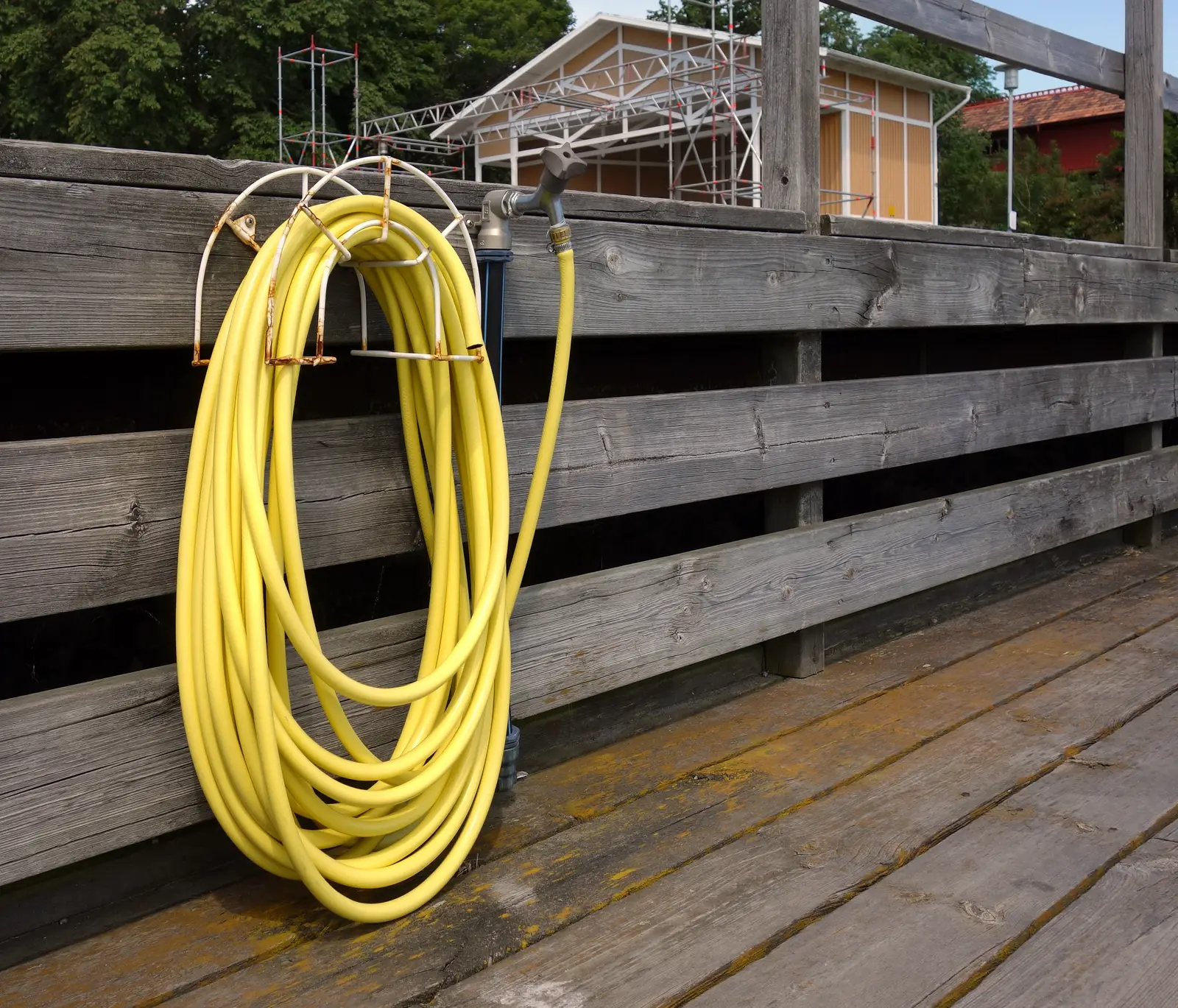
BPA and phthalates are endocrine disruptors that interfere with hormonal balance, potentially causing reproductive issues, cancer risks, and metabolic disorders. Both are commonly found in PVC-based garden hoses.
BPA as high as 87 ppb was found in hose water samples. A previous study found the phthalate DEHP at 25 ppb in one sample of hose water, which is four times higher than federal drinking water standards. The EPA and FDA regulate DEHP in water at 6 ppb.
Most of the hoses tested were made from PVC, a toxic plastic that often contains phthalates, BPA, and organotins, all of which can interfere with hormonal and reproductive development, and nearly two-fifths of the hoses also contained bromine and antimony, chemicals that can lead to thyroid, kidney, and liver damage with prolonged exposure.
Heat Makes Everything Worse
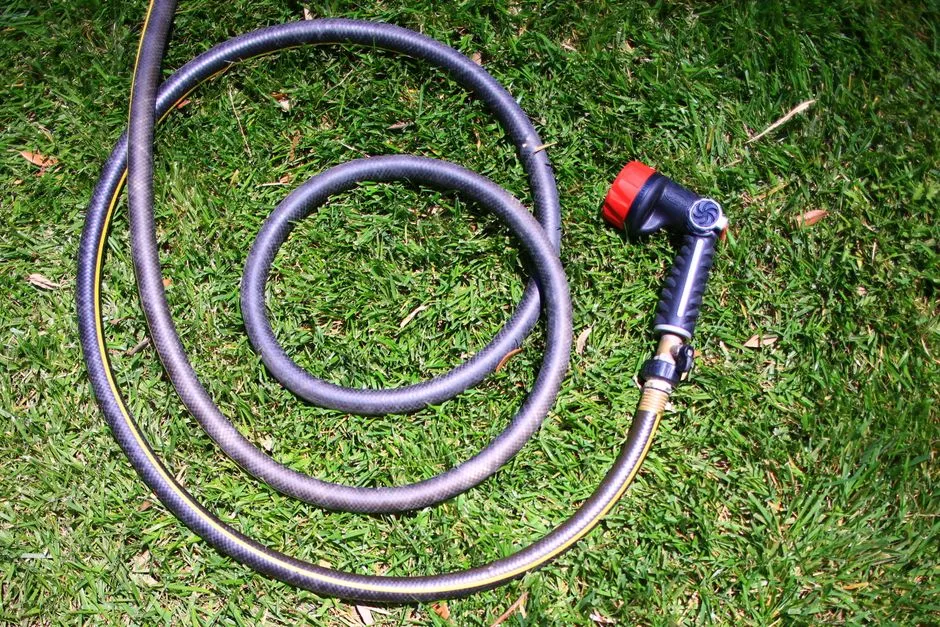
The heat from the sun can increase the leaching of chemicals into the water. This matters enormously for anyone who waters their garden mid-afternoon during warm months, which is exactly when hoses sit coiled and hot in direct sunlight.
The two critical factors in chemical leaching are time and temperature. Leaching can begin after water has remained stagnant in the hose for as little as an hour. So even a hose that tested at moderate levels on a cool day could deliver a more concentrated chemical load on a hot summer afternoon.
How Contaminants Get Into Your Vegetables
Research published in the Journal of Exposure Science and Environmental Epidemiology found that phthalates can be taken up by plant roots and translocated into edible portions of vegetables, particularly leafy greens and root crops. This isn’t surface contamination that washes off. It travels inside the plant.
Lead is not readily taken up by fruiting plants such as tomatoes and squash. Leafy greens like lettuce are more likely to absorb a little lead, so if you grow lots of greens, you might want to import some clean topsoil and put it in a raised bed.
Lead can be taken up by root vegetables like carrots, beets, radishes, and turnips, but is less likely to be taken up into a plant’s leaves. Root crops, in other words, carry a particular risk when grown in contaminated soil.
The Recycled E-Waste Problem
There’s another layer to this that most people have never heard of. Gardening hoses appear to be a dumping ground for highly contaminated electronic waste. Over one-third of the hoses tested showed the fingerprint of recycled e-waste being used in their construction.
Lead was above 100 ppm in one-third of all hoses tested in the Ecology Center’s study. Much of that contamination traces back to recycled electronic materials incorporated into the plastic. It’s a cost-cutting measure with real health consequences.
Microbial Contamination: The Overlooked Risk
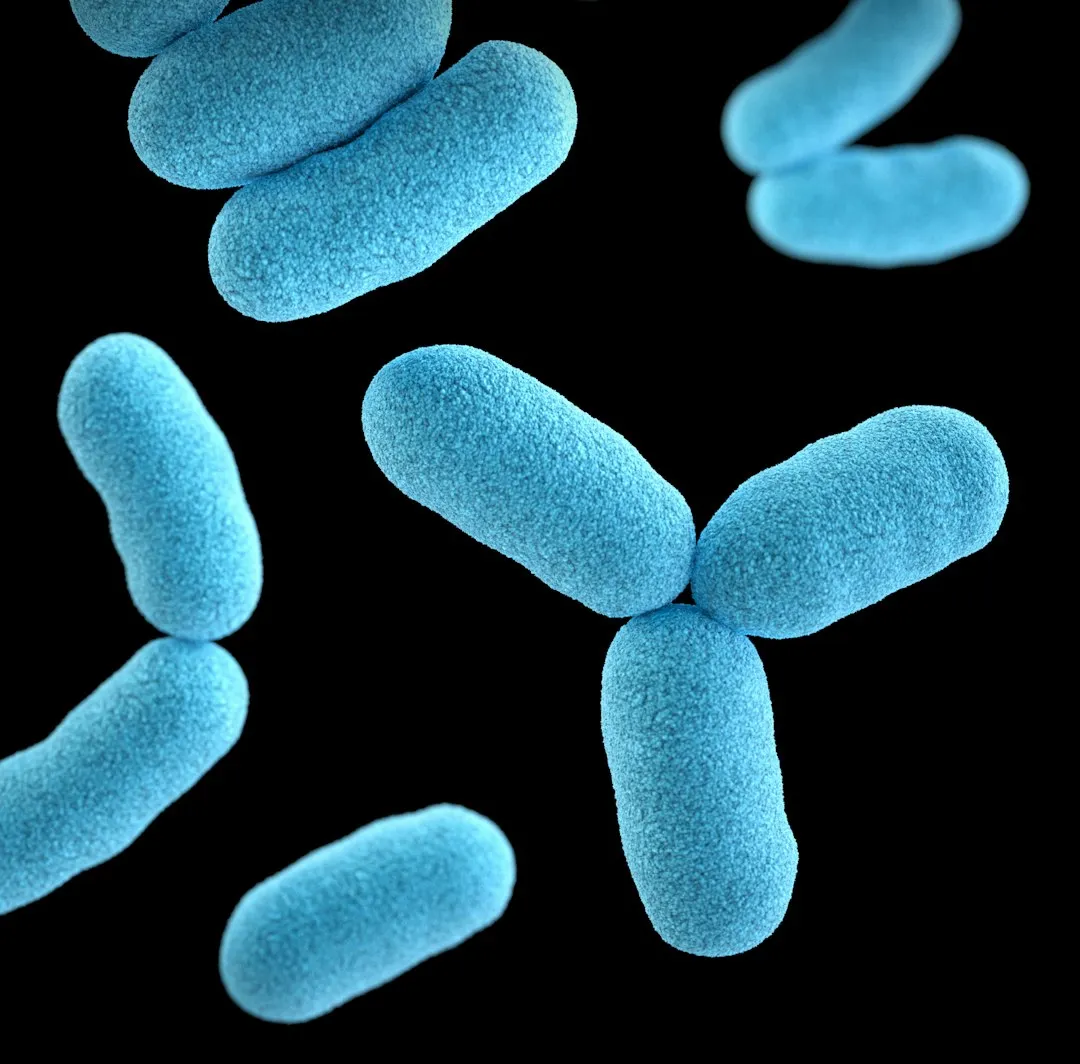
Besides chemicals, microbial contamination can also jeopardize water quality, since hoses left stagnant provide breeding grounds for bacteria and other pathogens. This means hose water doesn’t meet potable water standards set by authorities like the American Water Works Association.
Though rare, the presence of Legionella bacteria in hoses or connected water systems can cause serious respiratory illnesses. The warm, enclosed, dark interior of a coiled garden hose is genuinely hospitable to bacterial growth.
Regular flushing of hoses and using materials with smooth, non-porous inner linings such as polyurethane help prevent microbial growth. It’s a simple habit that most gardeners haven’t been told about.
What “Drinking Water Safe” Labels Actually Mean
The ten hoses labeled “Drinking water safe” in the Ecology Center study were free of significant lead, bromine, antimony, and tin. However, roughly three in ten of those still contained phthalates. The label is helpful, but it isn’t a guarantee of total safety.
When choosing a garden hose for use with edible plants, it should meet strict standards for drinking water safety such as FDA and NSF certifications, and be made without harmful additives like lead, BPA, or phthalates. Look for that NSF or ANSI certification specifically rather than relying on marketing language alone.
Safer Materials to Look For
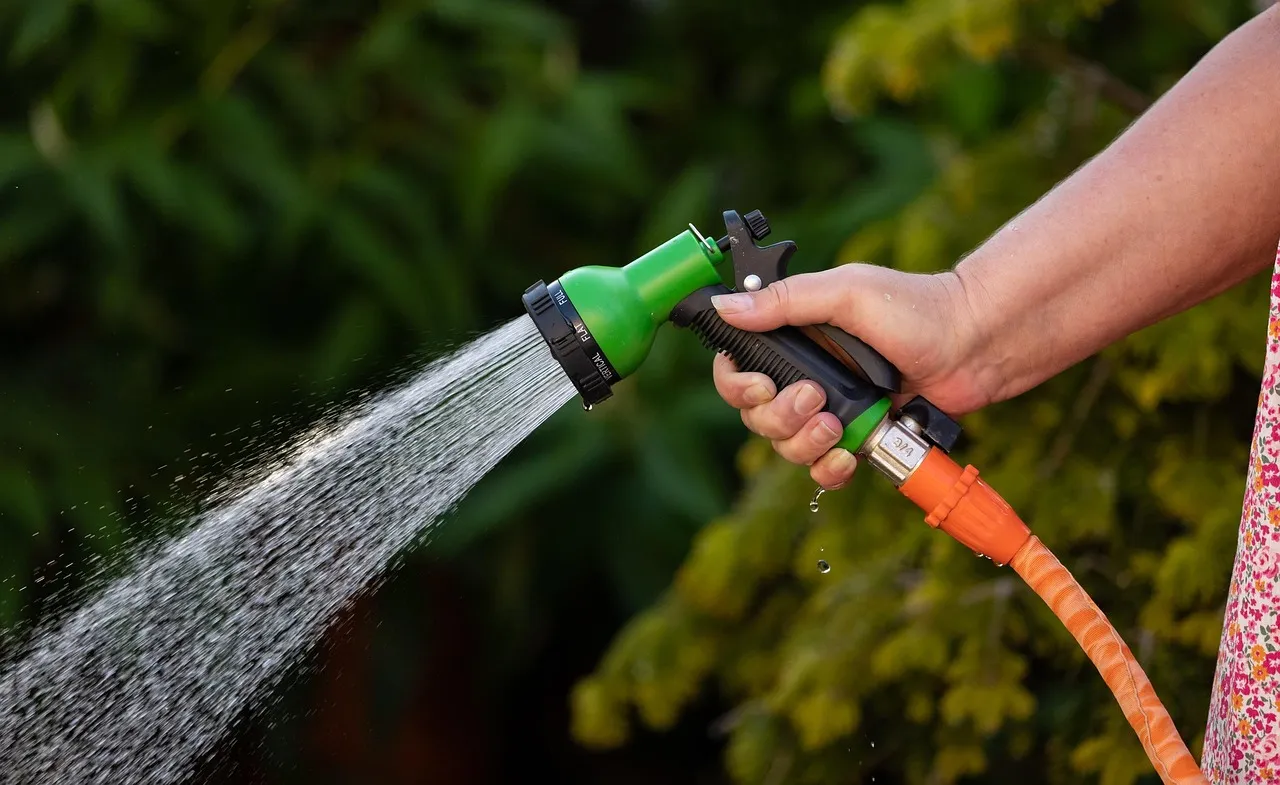
Hoses made from polyurethane, thermoplastic elastomer, or polyester fabric do not require phthalates to maintain flexibility. They are inherently more stable materials for carrying water. These materials don’t need the chemical plasticizers that make PVC hoses problematic.
For those seeking a natural and eco-friendly option, hoses made from natural rubber are an excellent alternative. Unlike synthetic rubber, natural rubber doesn’t contain chemical additives or processing agents that can leach into water.
A 2016 safety study from the Ecology Center found that polyurethane hoses labeled safe for drinking water turned up no chemicals of concern. That result held consistent across multiple years of Ecology Center testing.
Practical Steps You Can Take Right Now
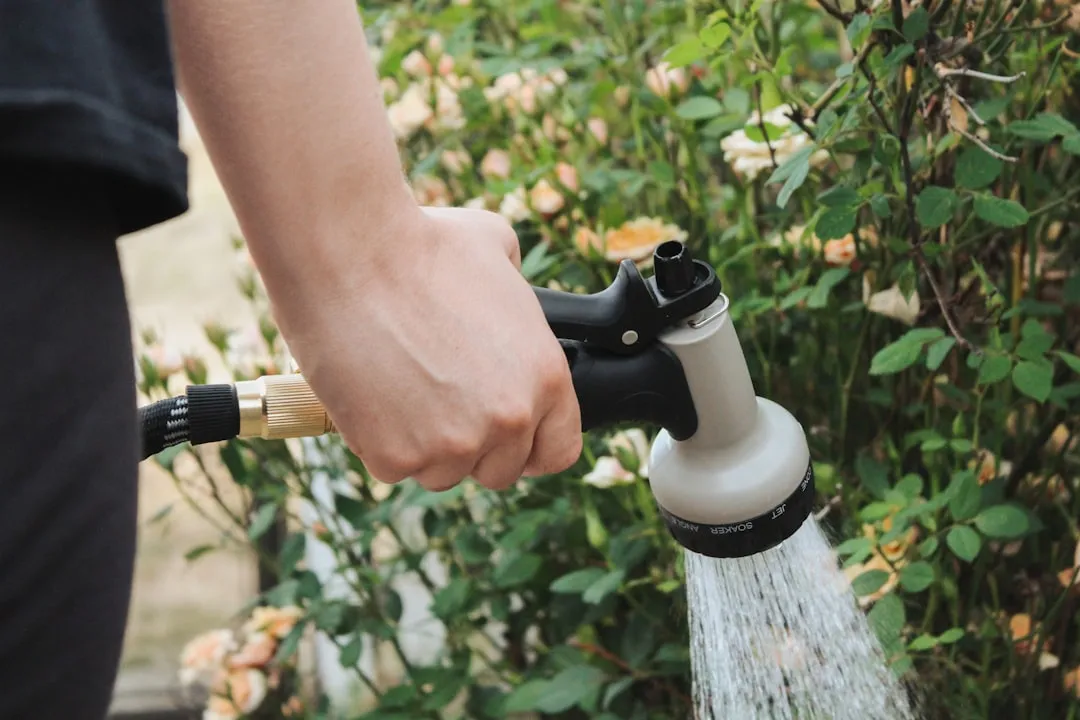
Before watering vegetables, it’s recommended to flush your garden hose for several minutes to clear out the water that has been sitting in contact with the hose material, especially if it’s been left in the sun.
Store your hose in a cool, dark place. Heat and sunlight can break down your hose, no matter what it’s made from, and increase the leaching of chemicals into the water. It takes almost no effort but meaningfully reduces chemical exposure.
If you’re still concerned, consider alternatives like drip irrigation systems or watering cans. For most gardens, a soaker hose or two will cover their watering needs. When compared to traditional drip line irrigation systems, soaker hoses are a lot more user-friendly, especially for raised beds.
The Bigger Picture
Growing your own vegetables is supposed to be one of the cleanest ways to eat. The effort is real, the benefits are real, and for most people the risk from hose water is manageable rather than catastrophic. Still, the research is clear enough that it’s worth paying attention.
The chemicals found in many standard garden hoses have been linked to birth defects, impaired learning, liver toxicity, premature births, and early puberty, among other serious health problems. Even if you’re an organic gardener doing everything you can to avoid pesticides and fertilizers, you may still be introducing hazardous substances into your soil through these products.
Switching to a certified, food-safe hose, flushing it before every use, and storing it out of direct sunlight are small adjustments. The payoff is a vegetable garden that’s as clean as you intended it to be all along.
AI Disclaimer: This article was created with the assistance of AI tools and reviewed by a human editor.