

While composting is one of the best ways to recycle organic waste and enrich your soil, a mismanaged compost pile can sometimes cause more harm than good. I’ve seen firsthand how a seemingly innocent pile of scraps can turn into a magnet for pests, foster invasive weeds, or even disrupt the balance of beneficial soil organisms. Trust me, understanding what not to do is just as important as knowing the best practices!
I know how frustrating it can be when all your hard work in nurturing a green space seems undone by unexpected issues, like foul odors or a surge in unwelcome critters. It’s such a bummer when you realize that your compost pile, meant to be a nurturing resource, is instead becoming a breeding ground for problems! In this article, I’ll walk you through ten common mistakes that gardeners make with their compost piles, sharing personal anecdotes and tips that have helped me transform my own composting experience into one that truly benefits my garden ecosystem.
Overfeeding Your Compost
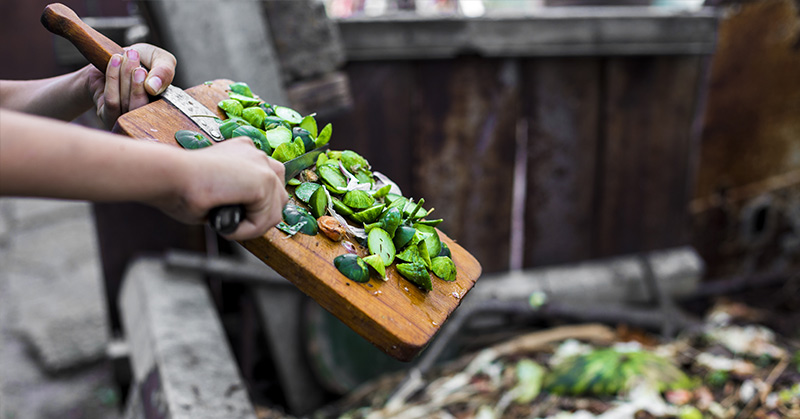
Overloading your compost pile with too much organic material is a mistake I learned from the hard way. When you add an excessive amount of kitchen scraps or garden waste without proper moderation, you can overwhelm the natural microbial community that breaks down the matter. This overfeeding can lead to an imbalance that causes the pile to overheat, lose essential moisture, or even develop a sour smell that repels beneficial critters that would normally help nurture the soil. I’ve seen even native plant residues, which in their natural habitat of temperate regions, maintain a delicate balance—when overfed in a compost pile, they can sometimes encourage the growth of invasive weeds!
From my experience, it’s crucial to treat your compost pile like a balanced ecosystem. Moderating the volume of organic matter encourages the right kind of microbial activity, leading to a nutrient-rich soil amendment that attracts beneficial insects and even small creatures looking for a safe place to nest. Overfeeding might seem like a generous act, but moderation ensures that every component in your compost has its chance to break down properly, ultimately enriching your garden rather than causing unforeseen complications!
The Wrong Balance of Greens and Browns

Achieving the perfect ratio of greens (nitrogen-rich materials) to browns (carbon-rich materials) is key to a healthy compost pile. When I first started composting, I quickly learned that an excess of green materials like food scraps or freshly mowed grass could lead to a slimy, smelly mess that fails to decompose properly. Native plant debris, often rich in carbon, naturally maintains this balance in the wild, but once we disrupt it in our compost, the system can spiral out of control! Too many greens can attract pests and create an environment that repels the beneficial soil organisms that help turn waste into rich humus.
On the other hand, too many browns can slow down the decomposition process, leaving you with a pile that never quite matures. In my own garden, I’ve experimented with different ratios until I found that a balanced mix not only accelerated the breakdown process but also invited a host of helpful critters—tiny insects and earthworms, for instance, that often set up their nesting sites within the loose, rich organic matter. Striking the right balance is an art that keeps your compost healthy and ensures that every layer contributes positively to your garden’s ecosystem!
Excess Moisture
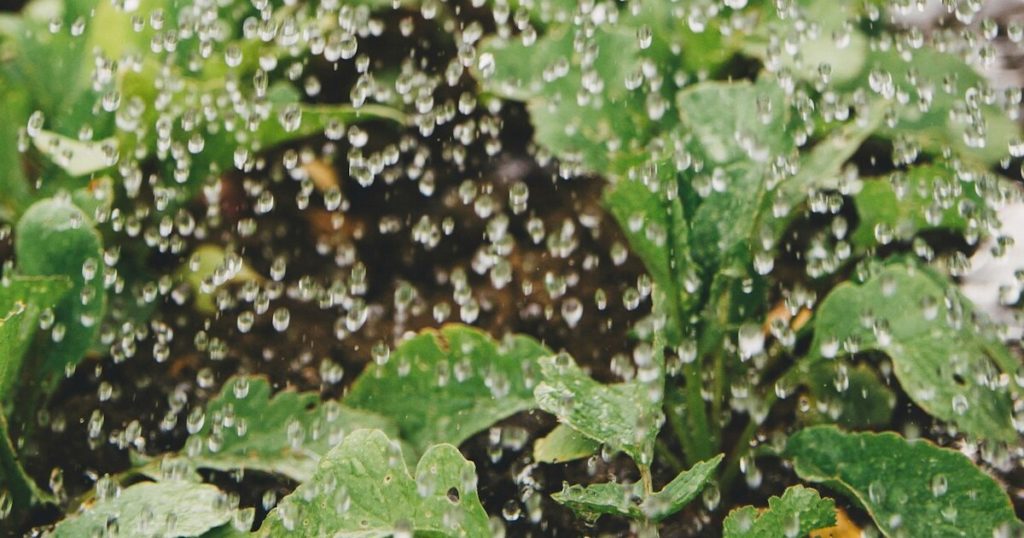
One of the more common pitfalls in composting is allowing your pile to become too wet. Excess moisture can lead to a soggy, anaerobic environment that not only slows down decomposition but also emits unpleasant odors. I remember a season when my compost pile became waterlogged after a series of heavy rains; the pile was swarming with flies and other pests that disrupted the natural nesting of beneficial insects. Even plant materials native to dry, well-drained regions can suffer if subjected to too much water, and the imbalance can encourage invasive species to take hold once the compost is added to your garden!
In my ongoing quest to perfect my compost system, I’ve learned that proper drainage and turning the pile regularly are essential to maintain an ideal moisture level. A well-aerated, moderately moist compost pile creates the perfect microhabitat for microorganisms, earthworms, and even tiny critters that establish temporary nesting sites in the decomposing layers. By managing moisture carefully, you can ensure that your compost pile works efficiently to enrich your garden soil, rather than becoming a breeding ground for unwanted pests and odors!
Poor Aeration

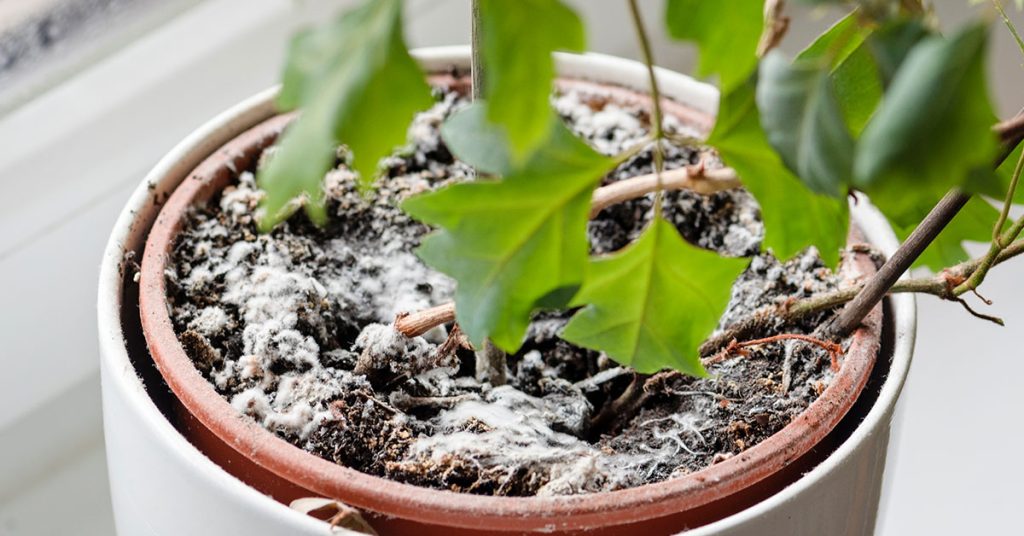
Failing to aerate your compost pile is a mistake that can stifle the essential microbial activity needed for proper decomposition. When the pile is too compact, oxygen can’t circulate, leading to anaerobic conditions that slow down the process and produce foul, sour smells. I’ve seen firsthand how an unturned pile can become a magnet for pests and even foster the growth of mold and invasive weeds, which can ultimately disrupt the ecosystem of your garden. Even native plants that thrive in open, airy conditions in their natural habitats can struggle when deprived of proper aeration in your compost!
To remedy this, I’ve adopted a routine of turning my compost pile every few weeks. This simple practice introduces much-needed oxygen, invigorating the beneficial bacteria and fungi that work tirelessly to break down organic matter. The improved aeration not only speeds up decomposition but also attracts an array of useful insects and small critters that rely on a healthy, oxygen-rich environment for nesting and feeding. It’s a small effort that makes a huge difference in keeping your compost—and your garden—vibrant and thriving!
Using Diseased Plant Matter
Incorporating diseased plant material into your compost is a critical error that can spread harmful pathogens throughout your garden. When infected leaves or stems make their way into the pile, the high temperatures required to neutralize the pathogens may not be reached if the compost isn’t managed properly. I once made the mistake of adding a batch of diseased rose bushes to my compost, only to later find that the very pathogens I hoped to destroy had instead found a new home in my soil! Native plants, which often have built-in resistance mechanisms in their natural habitats, can become vulnerable when their diseased parts are recycled improperly in a compost system.
Avoiding this mistake means carefully inspecting and removing any plant material that shows signs of disease before adding it to your pile. This preventative step protects not only the future quality of your compost but also the surrounding garden ecosystem—helping to maintain the health of both indigenous species and those that might be invasive if given the wrong conditions to thrive. I’ve learned that a vigilant approach to sourcing compost materials fosters a safer, more balanced environment that continues to attract beneficial insects and even offers secure nesting spots for small critters who play their part in nature’s grand recycling system!
Adding Inappropriate Materials
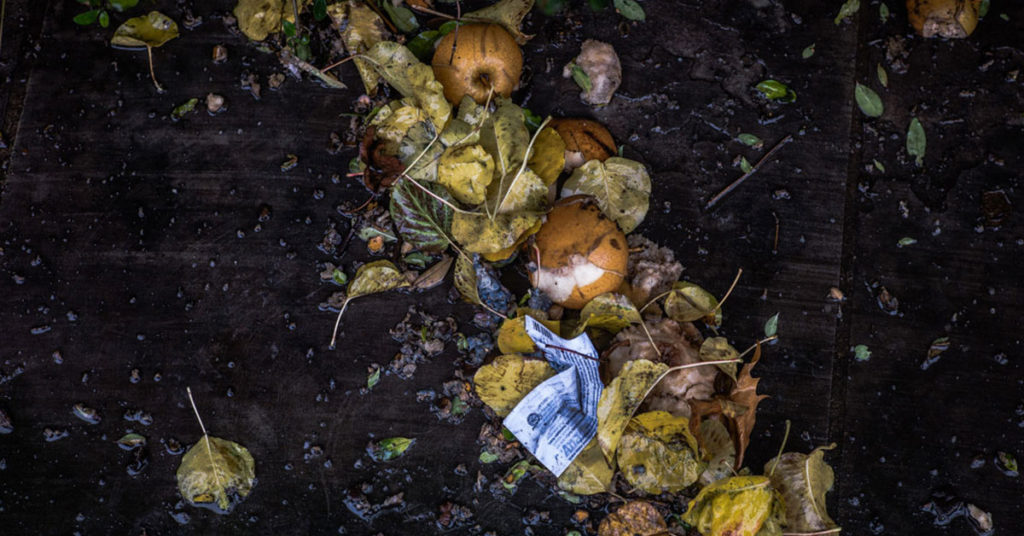
Sometimes, the temptation to compost anything and everything can lead to adding materials that disrupt the delicate balance of your pile. Items such as glossy magazines, synthetic fibers, or even certain types of treated wood can introduce chemicals or non-biodegradable elements that hinder the composting process. I recall a time when I inadvertently mixed in some non-organic scraps with my garden waste—materials that are far removed from the natural, native debris that typically graces our compost. These materials not only slowed down decomposition but also created a barrier for the beneficial organisms that rely on pure organic matter for nesting and nourishment!
It’s important to be selective about what goes into your compost bin. Stick to organic, natural materials that are in harmony with the native ecosystem of your garden—whether that’s plant matter from local species or food scraps that break down easily. This careful selection helps maintain a thriving microbial community, encouraging everything from earthworms to predatory insects to establish themselves in the rich, decomposing layers. In doing so, you create a vibrant compost pile that feeds your garden and supports a mini-ecosystem where nature’s little helpers work in concert to build healthy soil!
Ignoring Pests

One of the biggest misconceptions about composting is that pests will simply avoid a well-managed pile. Unfortunately, ignoring the potential for pest infestations can lead to serious complications in your garden. When your compost pile is mismanaged—be it through excess moisture, improper material balance, or infrequent turning—it can become a hotspot for rodents, flies, and even birds that might not always be the friendly type. I once discovered that an unattended compost pile had invited a swarm of pests that interfered with the nesting habits of the beneficial insects I so dearly rely on to pollinate my native plants!
To prevent this, I’ve learned to monitor my compost closely and take proactive measures such as covering food scraps and maintaining proper moisture levels. A well-tended compost pile discourages unwanted guests while inviting the beneficial organisms that contribute to a healthy soil ecosystem. These little critters—be they earthworms burrowing deep into the rich layers or insects that occasionally nest in the loosened organic matter—play a vital role in the decomposition process. By keeping an eye on pest activity, you can ensure that your compost works harmoniously, enriching your garden without turning into a haven for nuisances!
Lack of Temperature Monitoring

Failing to monitor the temperature of your compost pile can lead to a host of unforeseen issues. Temperature is a critical indicator of microbial activity and proper decomposition; if your pile isn’t hot enough, it may not break down efficiently, and worse, it might not kill off harmful pathogens or weed seeds. I’ve had instances where a cool, unmonitored pile ended up harboring unwanted bacteria and invasive weed seeds that later disrupted the natural balance of my garden’s ecosystem. In nature, plants from native habitats rely on the warmth of their environment to foster robust growth, so neglecting temperature in your compost can have similarly adverse effects!
In my own composting practice, I now make it a point to regularly check the pile’s temperature with a simple compost thermometer. This small step has made a big difference, ensuring that the conditions remain ideal for rapid decomposition and pathogen elimination. A well-heated compost pile not only speeds up the breakdown of organic matter but also creates a microenvironment that attracts beneficial insects and microorganisms—often even offering secure, warm spots for them to nest. Monitoring temperature is a straightforward way to guarantee that your compost turns out to be a boon for your garden rather than a breeding ground for trouble!
Using Chemical Waste
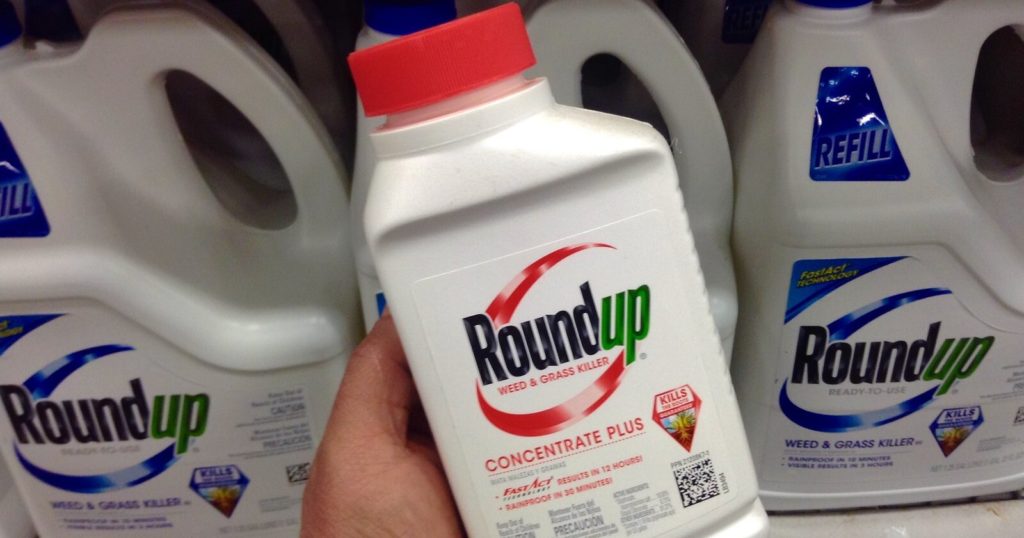
Adding chemical-laden waste or fertilizers not intended for composting is a grave mistake that can poison your garden soil over time. These substances, often found in household cleaners or treated garden waste, introduce toxins that can kill beneficial microbes and deter the insects that make your compost pile a lively ecosystem. I vividly recall a season when I mistakenly tossed in chemically treated wood and synthetic materials—elements that are far removed from the natural, native plant residues that nurture soil health. The result was a compromised compost that not only failed to decompose properly but also threatened to harm the delicate balance of my garden’s ecosystem!
Avoiding chemical waste means being vigilant about the sources of the materials you add to your compost. Stick to organic, natural inputs that mirror the conditions found in nature, where native plant debris has been decomposing for centuries in a balanced, toxin-free environment. This careful curation not only preserves the beneficial microbial activity that transforms waste into nutrient-rich compost but also attracts a vibrant array of critters that depend on clean, chemical-free habitats for nesting and foraging. By steering clear of chemical contaminants, you protect your garden from long-term damage and ensure that every handful of compost contributes positively to your green haven!