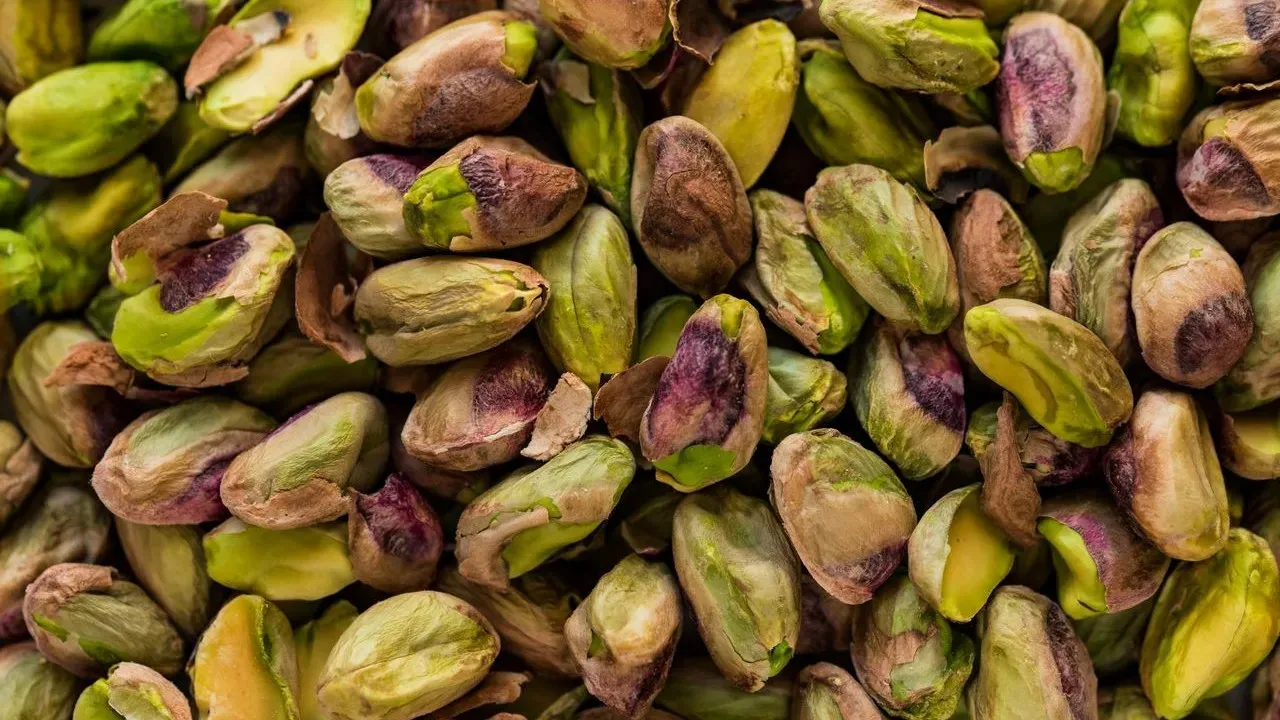

A forgotten bag tucked behind jars of spices or holiday baking supplies often prompts the same question. Pistachios, like other nuts rich in natural oils, do not stay fresh indefinitely. Their quality declines over time, primarily through rancidity, though proper cold storage can extend usability significantly.
The Main Culprit Behind Spoilage
Pistachios contain oils that break down when exposed to air, warmth, and time. This process produces off flavors and aromas that most people find unpleasant. Room-temperature conditions accelerate the change, while cooler environments slow it considerably. Experts note that rancidity affects taste and texture more than immediate safety in many cases. Still, visible mold or signs of insect activity call for discarding the nuts outright. A normal appearance or smell offers no guarantee against hidden issues such as bacterial contamination.
Realistic Timeframes for Quality
Guidance from university extensions places pistachios at roughly one year in the refrigerator when kept sealed. The same sources list up to three years in the freezer at zero degrees Fahrenheit or colder. These figures apply whether the nuts remain in the shell or have been shelled. At room temperature, quality typically holds for only a few months at best. Opened packages fare even worse in a pantry, with some recommendations suggesting just weeks before refrigeration becomes advisable. Dates printed on packaging reflect peak flavor rather than safety, so they serve as a general guide rather than a strict cutoff.
Practical Steps for Longer Freshness
Transferring nuts from their original packaging into a clean, airtight container helps limit exposure to moisture and odors. Placing that container in the refrigerator or freezer soon after purchase or opening preserves the oils far better than leaving them on a shelf. In-shell pistachios benefit from staying dry, as added moisture can encourage mold. Labeling the container with the opening date provides a simple reminder of how long they have been stored. Avoiding warm spots near ovens or sunny windows further protects quality.
Recognizing When to Discard
Mold growth requires immediate disposal, and experts advise against sniffing affected items. A stale, sour, or rancid odor also signals that the nuts have lost their appeal. Soft, shriveled, or rubbery textures point to the same conclusion. Past its printed date, a bag may still be usable if it was stored well and shows none of these warning signs. When in doubt about storage history or visible changes, the cautious approach is to replace the nuts rather than risk poor results in recipes or snacks.
Putting Them to Good Use
Well-stored pistachios add crunch and flavor to both sweet and savory dishes. They appear in holiday treats, grain salads, and cheese boards without needing special preparation beyond a quick check for freshness. Cooking or baking will not revive rancid nuts, so starting with quality ingredients remains essential. With attention to temperature and sealing, a single purchase can support multiple uses across seasons. The difference between a few months of pantry life and multiple years in the freezer comes down to consistent cold, dry conditions that protect the oils inside each nut.
AI Disclaimer: This article was created with the assistance of AI tools and reviewed by a human editor.