
Yellow onions are a staple ingredient in many kitchens around the world. They are versatile, and flavorful, and add depth to a wide range of dishes.
Whether you’re caramelizing them for French onion soup or sautéing them for a stir-fry, yellow onions are a go-to for home cooks and professional chefs alike.
We’ll take a closer look at this humble yet essential ingredient, including its history, nutritional profile, and tips for buying, storing, and cooking with yellow onions.
What are Yellow Onions?
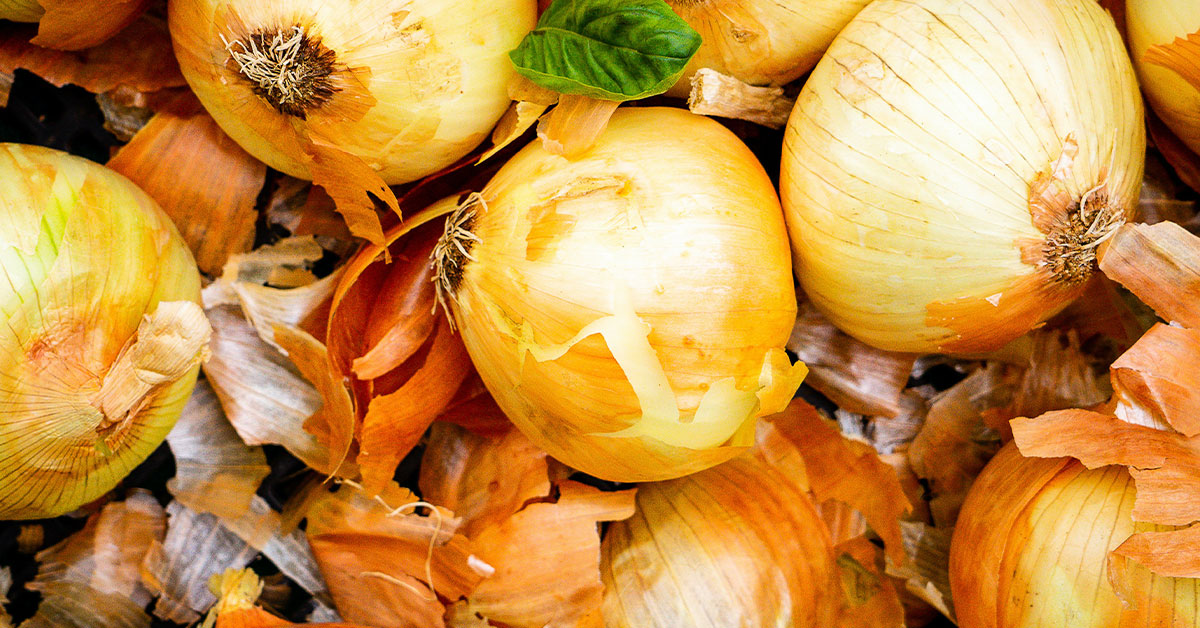
Yellow onions (Allium cepa) are a variety of onions that are widely used in cooking and have distinct yellowish-brown skin and white flesh. They are a staple ingredient in many dishes and are known for their pungent, slightly sweet flavor.
Yellow onions are a member of the allium family, which also includes garlic, shallots, and leeks. They are grown in many parts of the world, with the largest producers being India, China, and the United States.
These onions are versatile and can be used in a variety of dishes, including soups, stews, sauces, and stir-fries. They are also commonly used in salads and sandwiches.
Yellow onions are high in sulfur compounds, which give them their distinctive flavor and aroma. They are also a good source of vitamin C and fiber.
When selecting yellow onions, look for ones that are firm and have dry, papery skin. Avoid any onions that are soft or have mold on them.
Yellow onions are a flavorful and essential ingredient in any good kitchen.
What do Yellow Onions taste like?
Yellow onions are a popular vegetable used in a variety of dishes. They have a distinct flavor that adds depth and complexity to many recipes. The taste of yellow onions is savory and slightly sweet, with a subtle tangy flavor that is not too overpowering. When cooked, they become sweeter and softer, making them a great ingredient for soups, stews, and sauces.
Raw yellow onions have a crisp and crunchy texture and a pungent aroma that might make you tear up. The flavor is more intense when they are eaten raw, but when they are cooked, the flavor becomes milder. When caramelized, yellow onions turn sweet and are perfect for adding to French onion soup or as a topping for burgers.
Yellow onions have a robust and versatile flavor that can enhance the taste of any dish. Their unique taste and texture make them an essential ingredient in many cuisines around the world.
How to start Yellow Onions from seeds
If you’re looking to grow yellow onions, starting them from seed is a great option. Here are the steps to get started:
- Choose the right time: Yellow onions are typically started indoors about 8-10 weeks before the last expected frost date in your area. Make sure to check your local frost dates to determine the best time to start your seeds.
- Gather supplies: You’ll need seeds, seed trays, potting soil, and a grow light or sunny window.
- Plant the seeds: Fill your seed trays with potting soil and sprinkle the seeds on top, then cover them with a thin layer of soil. Water the soil lightly.
- Provide light and warmth: Yellow onion seeds need consistent warmth and light to germinate. Place them in a warm spot with access to natural light or under a grow light.
- Water regularly: Keep the soil moist but not soaking wet. Water gently to prevent the seeds from washing away.
- Transplant the seedlings: Once the seedlings have grown to about 4-6 inches tall and have at least two sets of leaves, they’re ready to be transplanted into larger containers or your garden. Make sure to harden off the seedlings by gradually exposing them to outdoor conditions before planting them in the ground.
How to grow Yellow Onions
Yellow onions are a staple ingredient in many dishes, from soups to stews to stir-fries. They’re easy to grow, making them a great choice for beginner gardeners.
Choose Your Onion Sets: Onion sets are small onion bulbs that you can plant in your garden. Yellow onion sets are widely available at garden centers and online. When choosing your onion sets, look for ones that are firm and free of damage.
Prepare Your Soil: Yellow onions prefer loose, well-draining soil. If your soil is heavy or clay-like, add some compost or other organic matter to improve drainage. Onions also prefer a slightly acidic soil pH of around 6.0 to 6.5.
Plant Your Onion Sets: Plant your onion sets about 1 inch deep, with the pointed end facing up. Space them about 4 to 6 inches apart, with rows about 12 to 18 inches apart. If you’re planting in raised beds or containers, you can space them a bit closer together.
Watering: Water your onions regularly, especially during dry spells. Onions need about 1 inch of water per week, either from rain or irrigation. Avoid overwatering, which can lead to rot.
Fertilize Your Onions: Onions are heavy feeders and benefit from regular fertilization. You can use a balanced fertilizer, such as a 10-10-10, or a fertilizer specifically formulated for onions. Apply fertilizer according to the package directions.
Weed Your Onions: Keep your onion bed free of weeds, which can compete with your onions for water and nutrients. Hand-pull weeds or use a hoe to carefully remove them.
Growing your own is a rewarding experience that can save you money and provide you with fresh, flavorful onions all season long. With these simple steps, you’ll be on your way to a successful onion harvest.
When and How to Harvest Yellow Onions
Yellow onions are a staple in many kitchens around the world. They add a distinct flavor and aroma to any dish, making them a go-to ingredient for chefs and home cooks alike. Harvesting is a crucial step in the growing process, as it determines the quality and flavor of the crop. Here are some tips on when and how to harvest yellow onions.
Yellow onions take around 100-120 days to mature, depending on the weather conditions and the variety of onion you’re growing. The best time to harvest yellow onions is when the leaves turn yellow and start to fall over. This typically happens in late summer or early fall, depending on when you planted them.
You can also check the size of the onion bulbs by gently digging around the base of the plant. If the onions are around 2-3 inches in diameter, they are ready to be harvested.
To harvest, gently pull them out of the soil by grasping the leaves and pulling upwards. If the soil is too compacted, you may need to loosen it first with a garden fork or trowel. Be careful not to damage the onions, as this can affect their quality and shelf life.
Once you’ve harvested the onions, lay them out in a dry, well-ventilated area for a few days to dry out. This will help the outer layer of the onion bulb to dry and form a protective layer that will extend the shelf life of the onion.
After the onions have dried out, you can store them in a cool, dry place for up to 6 months. Make sure to remove any loose or damaged layers before storing them to prevent rotting. You can also store them in mesh bags or baskets to allow for proper air circulation.
Harvesting is a crucial step in the growing process that requires careful attention to timing and technique. By following these tips, you can ensure that your yellow onions are flavorful, high-quality, and store well for months to come.