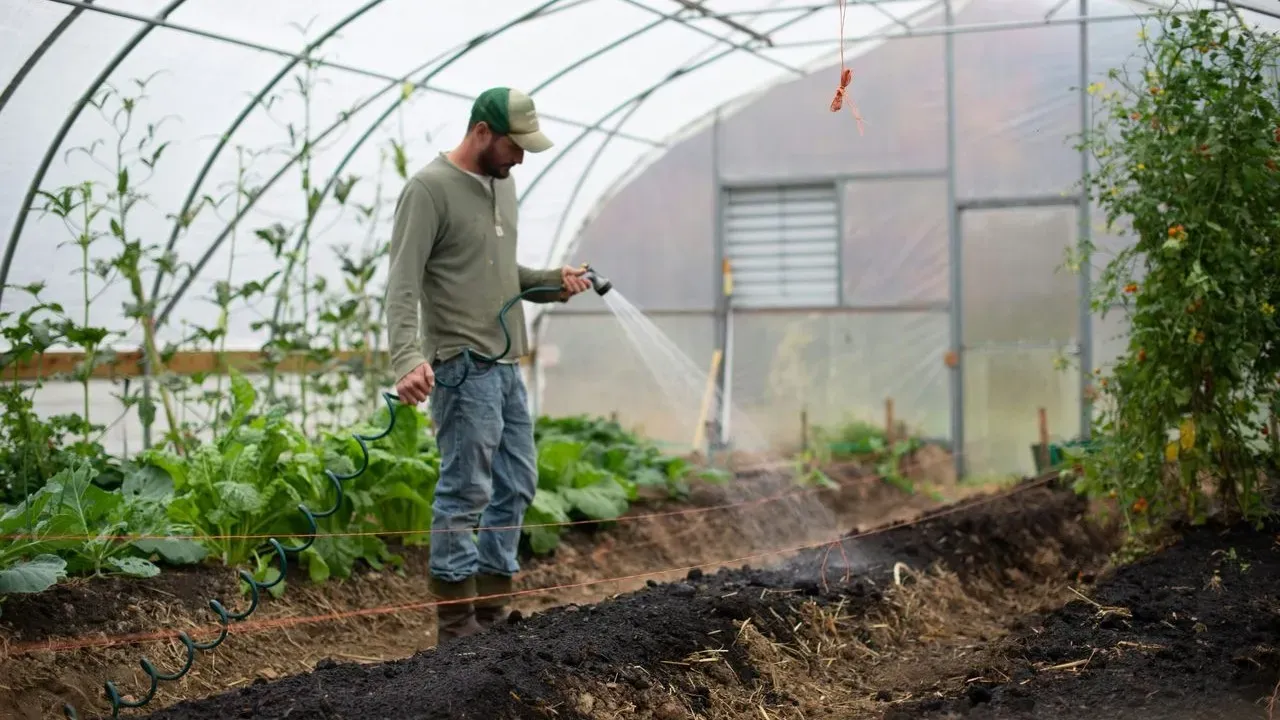

Many gardeners weigh the investment in a greenhouse against the simplicity of an outdoor plot. One grower addressed the question directly by planting the same crops in both environments over multiple seasons. The results offered concrete guidance rather than theory.
The approach relied on controlled comparisons rather than isolated trials. Identical varieties received similar care in each setting, allowing differences in growth, timing, and yield to emerge clearly. This method highlighted practical trade-offs that matter for home-scale production.
Designing a Real-World Comparison
The tests began with careful selection of crops suited to both indoor and outdoor conditions. The grower tracked performance across full growing cycles, noting variables such as temperature fluctuations, pest pressure, and water needs. Consistency in soil preparation and planting dates helped isolate the effect of the protected environment.
Multiple years of repetition added reliability to the observations. Single-season results can mislead due to unusual weather, so the extended timeline captured patterns that held across varying conditions. This repetition strengthened the basis for any conclusions about greenhouse value.
Where Protection Made the Largest Difference
Season extension emerged as one of the clearest benefits. Crops that struggled with early frosts or late heat outside often produced earlier and longer inside the structure. The controlled climate reduced losses from temperature swings that commonly affect outdoor beds.
Pest and disease management also shifted noticeably. The enclosed space limited access for certain insects and allowed earlier intervention when problems appeared. Outdoor plants faced greater exposure, sometimes requiring more frequent monitoring or treatment to achieve comparable results.
Yield consistency varied by crop type. Some vegetables showed steadier production under cover, while others performed similarly in both locations when weather cooperated. The data suggested that advantages concentrate around timing and reliability rather than universal increases in total output.
Limitations That Remained Evident
Even with the structure in place, certain challenges persisted. Ventilation and humidity control required ongoing attention to prevent issues that do not arise as readily outdoors. Initial setup costs and maintenance added considerations that outdoor gardening avoids.
Space constraints inside the greenhouse also influenced planting density and crop choices. Larger or sprawling plants sometimes proved less practical under cover, favoring compact varieties instead. These practical limits meant the greenhouse complemented rather than fully replaced outdoor beds for many growers.
Applying the Findings at Home
Gardeners considering a similar structure can start with modest experiments of their own. Testing a few key crops side by side for one or two seasons provides localized insight before committing to larger investments. The original multi-year approach demonstrated the value of patience in reaching reliable conclusions.
Ultimately, the tests confirmed that a greenhouse earns its space when the goal centers on extending the season or stabilizing production against variable weather. For gardeners focused primarily on low-maintenance volume, outdoor methods may still hold advantages. The decision hinges on specific priorities and local conditions rather than a blanket preference for either system.
AI Disclaimer: This article was created with the assistance of AI tools and reviewed by a human editor.