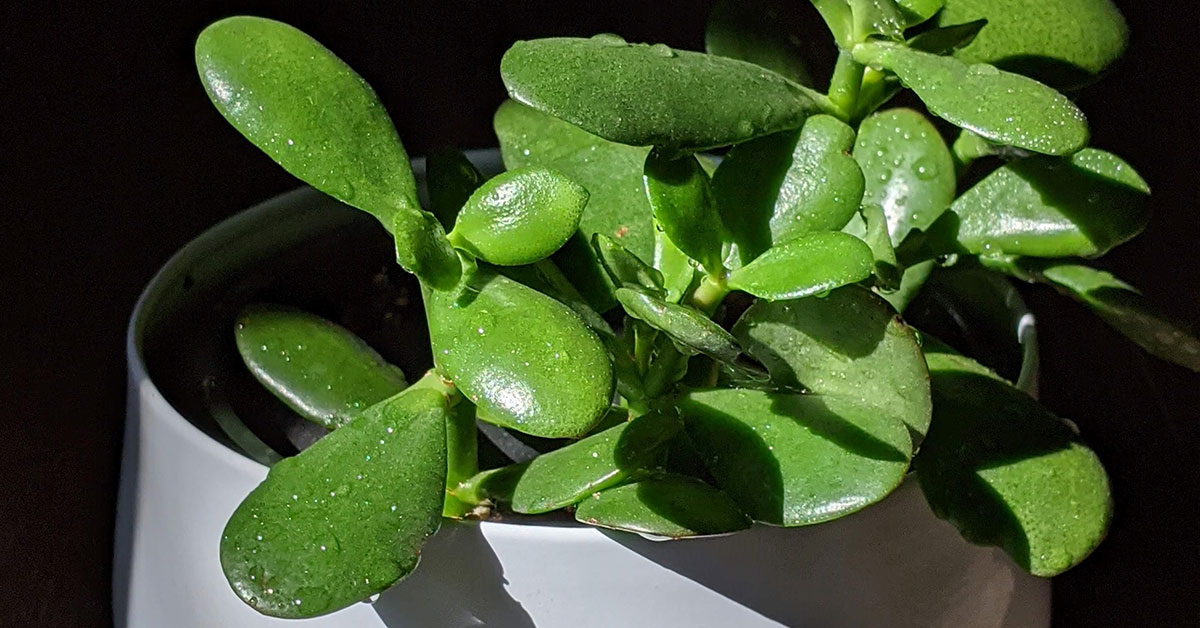

Succulents have become one of the most popular houseplants in recent years, and for good reason. They are beautiful, low-maintenance, and come in an incredible variety of shapes and colors. However, one of the biggest mistakes gardeners make with succulents is improper watering. While these plants are drought-tolerant, they still need the right care to thrive. Overwatering or underwatering can quickly lead to problems like root rot, shriveled leaves, and stunted growth.
If you want your succulents to look their best and stay healthy for years, it is important to understand how and when to water them properly. From choosing the right method to adjusting your schedule seasonally, these tips will help you master succulent care and avoid the most common watering mistakes.
Overwatering Is the Most Common Problem
One of the biggest issues succulent owners face is giving their plants too much water. Because succulents store moisture in their leaves and stems, they are highly susceptible to root rot if their soil remains constantly wet. Overwatered succulents often develop mushy, translucent leaves, and their roots can begin to decay, which may eventually kill the plant.
To prevent this, always allow the soil to dry out completely between waterings. Use well-draining soil and containers with drainage holes to help excess water escape. Water deeply but infrequently, soaking the soil thoroughly and then letting it dry out before watering again. This mimics the natural conditions succulents experience in the wild, where rainstorms are followed by long periods of dryness.
Underwatering Can Cause Stress Too
While overwatering is the most common issue, underwatering can also harm your succulents. When these plants go too long without adequate moisture, their leaves may wrinkle, shrivel, and lose their plumpness. Growth can slow significantly, and prolonged dehydration can lead to leaf drop and weakened roots.
To avoid underwatering, monitor your succulents closely and watch for early signs of stress. If the leaves feel flat or limp, it may be time to water. Remember that succulents still need regular hydration during their active growing season, especially in spring and summer. Balancing your watering routine helps maintain healthy, vibrant plants with full, glossy leaves and steady growth.
Use the Soak-and-Dry Method
The soak-and-dry method is one of the most effective techniques for watering succulents properly. Instead of giving your plants small sips of water frequently, thoroughly soak the soil until water drains from the bottom of the pot. Then allow the soil to dry out completely before watering again. This method encourages strong root development and reduces the risk of rot.
Be patient and resist the urge to water too soon. Depending on your climate, soil mix, and pot size, it may take anywhere from a few days to several weeks for the soil to dry completely. Always check the moisture level with your finger or a moisture meter before adding more water. Following this approach closely helps create an ideal watering rhythm for your succulents.
Know the Signs of Water Stress
Learning to recognize the signs of both overwatering and underwatering is essential to keeping your succulents healthy. Overwatered plants often have soft, mushy leaves that turn yellow or transparent, while underwatered succulents develop thin, wrinkled leaves that may start to droop. Paying close attention to these early warning signals allows you to adjust your care routine before permanent damage occurs.
Check the soil frequently and observe your plant’s appearance to catch problems early. If your succulent’s leaves are dropping easily or the base of the stem feels mushy, it may be suffering from rot caused by too much water. Conversely, if the leaves feel dry and papery, your plant likely needs a good soak. Understanding these visual cues is one of the best tools for keeping succulents thriving.
Seasonal Watering Needs Are Different
Succulents do not need the same amount of water year-round. During their active growing season, usually spring through early fall, they require more frequent watering to support new leaves and root development. In contrast, most succulents enter a dormant phase during the cooler months, meaning they need significantly less water during winter.
Adjusting your watering schedule seasonally prevents both rot and dehydration. In the warmer months, check your plants weekly and water when the soil is fully dry. During dormancy, reduce watering to once every three to six weeks depending on your indoor climate. Paying attention to seasonal shifts helps you create a care routine that aligns with your succulent’s natural growth cycle.
Choose the Right Soil for Proper Drainage
Even the best watering habits will not save your succulents if the soil retains too much moisture. Standard potting soil tends to hold water for too long, which can suffocate roots and promote rot. Instead, choose a cactus or succulent-specific mix designed for fast drainage. These soils typically contain ingredients like sand, perlite, or pumice to prevent soggy conditions.
If you prefer to make your own mix, combine regular potting soil with coarse sand and perlite to create a lighter, more aerated medium. Well-draining soil allows you to water thoroughly without worrying about standing moisture, giving your plants the best possible environment to grow strong, healthy roots.
Pick the Right Containers
The type of pot you use has a major impact on succulent health. Containers with drainage holes are essential for preventing excess water from accumulating at the bottom, which can lead to root rot. Terracotta pots are especially popular because they are porous and allow moisture to evaporate quickly, keeping the soil from staying damp for too long.
If you prefer decorative pots without drainage, consider using them as cachepots by placing a smaller, well-draining container inside. This lets you remove the plant for proper watering and avoid water buildup. Choosing the right container ensures your watering habits work in harmony with the environment your succulent lives in, giving you better control over soil moisture levels.
Light and Water Go Hand in Hand
Succulents that receive more sunlight generally need more frequent watering, while those in lower-light conditions require less. Bright, direct sunlight speeds up soil drying and increases water usage, whereas plants in shaded spaces stay hydrated for longer periods. Matching your watering routine to your succulent’s light exposure is critical for maintaining proper moisture levels.
If you move your plants between indoor and outdoor environments, be mindful of the change in sunlight intensity. Outdoor succulents often dry out much faster and may need weekly watering during hot months, while indoor plants in moderate light may only need water every few weeks. Balancing these factors keeps your plants hydrated without overdoing it.
Avoid Watering the Leaves
When watering succulents, always aim for the soil rather than the leaves. Water trapped in the rosettes or sitting on foliage can cause rot, especially in humid environments or cooler conditions. Over time, constant moisture on the leaves can lead to unsightly spots and fungal issues that weaken the plant’s health.
Using a narrow-spouted watering can or squeeze bottle makes it easier to direct water precisely to the base of the plant. Allow any splashes on the leaves to dry quickly, especially for varieties with tightly packed rosettes like echeverias. By keeping moisture where it belongs—in the soil—you help your succulents stay vibrant and disease-free.
Tailor Your Care to Each Variety
Not all succulents have the same watering needs. Desert species like echeverias, haworthias, and agaves prefer long dry spells between deep waterings, while jungle succulents like holiday cacti and rhipsalis thrive with slightly more frequent moisture. Understanding each plant’s natural habitat helps you customize your care routine for the best results.
Research your specific varieties and adjust watering schedules based on their preferences. Group plants with similar needs together so you can provide consistent care without over- or underwatering certain species. By learning the unique traits of your succulents, you create a thriving collection where each plant gets exactly what it needs to grow strong and beautiful.
Mastering Succulent Watering
Watering succulents properly is all about balance: too much water leads to rot, while too little causes stress and shriveled leaves. By adopting the soak-and-dry method, choosing the right soil and containers, and adjusting your routine based on light, season, and plant variety, you give your succulents the best chance to thrive.
With a little observation and patience, your succulents will reward you with vibrant growth, healthy roots, and stunning displays year-round. Once you understand how to water them correctly, caring for these resilient plants becomes simple, enjoyable, and deeply rewarding for any gardener.